Introduction
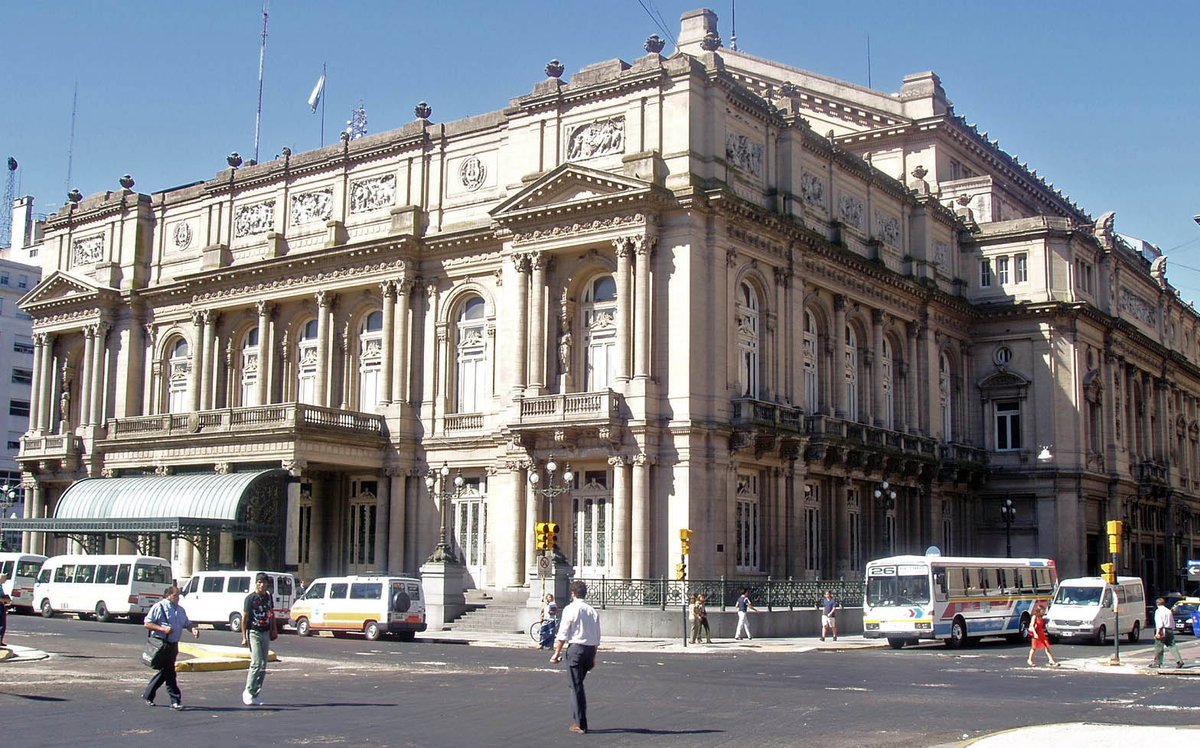
The Cervantes National Theatre (Teatro Nacional Cervantes), located in the heart of Buenos Aires, is a cornerstone of Argentina’s cultural landscape. Famed for its stunning Spanish Baroque Revival architecture and a rich legacy dating back to its 1921 inauguration, the theatre stands as a symbol of the enduring cultural ties between Argentina and Spain. From visionary founders and dramatic resilience to its role today as a vibrant hub for the arts, the Cervantes National Theatre offers visitors an immersive journey into the soul of Buenos Aires (Wikipedia; Turismo Buenos Aires).
Photo Gallery
Explore Cervantes National Theatre in Pictures
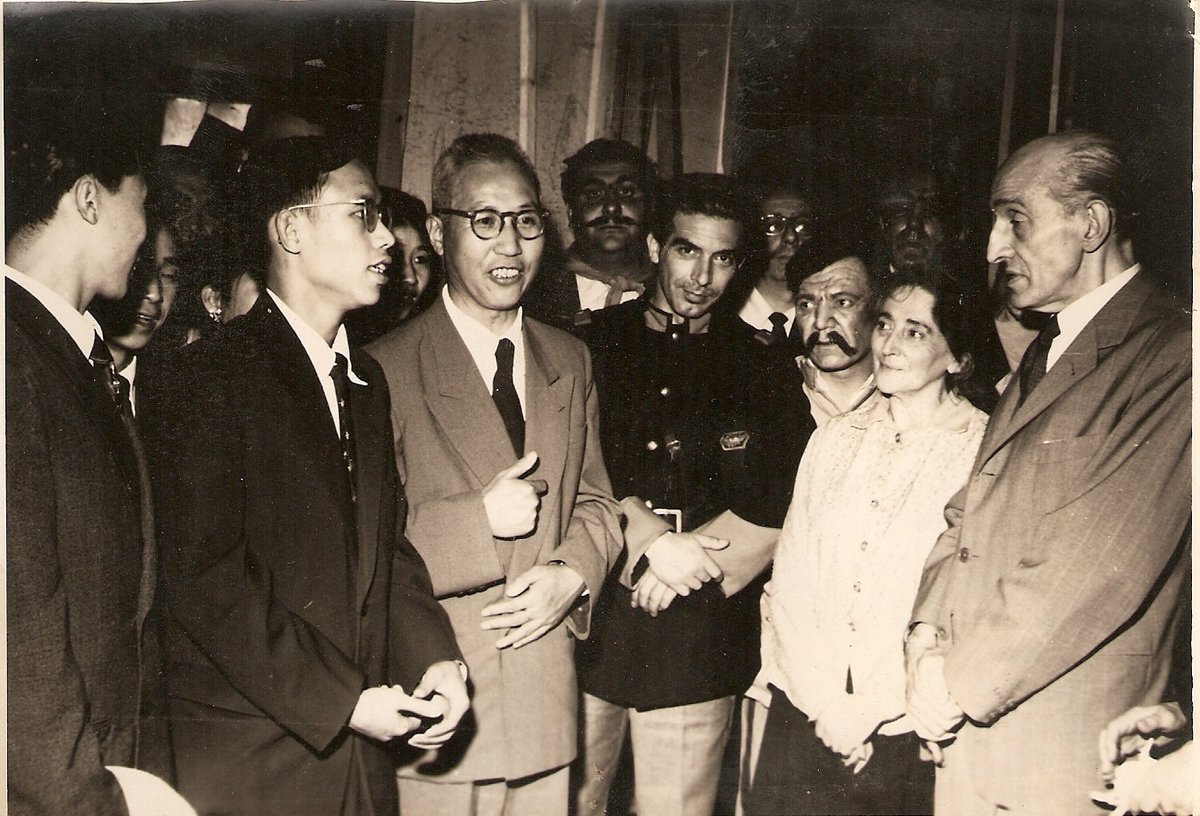
The Peking Opera visits the Comedia Nacional at Teatro Cervantes during a performance featuring Juan de Dios Filiberto, Miguel Narciso Bruse, Milagros de la Vega, Orestes Caviglia, and Chinese artists.
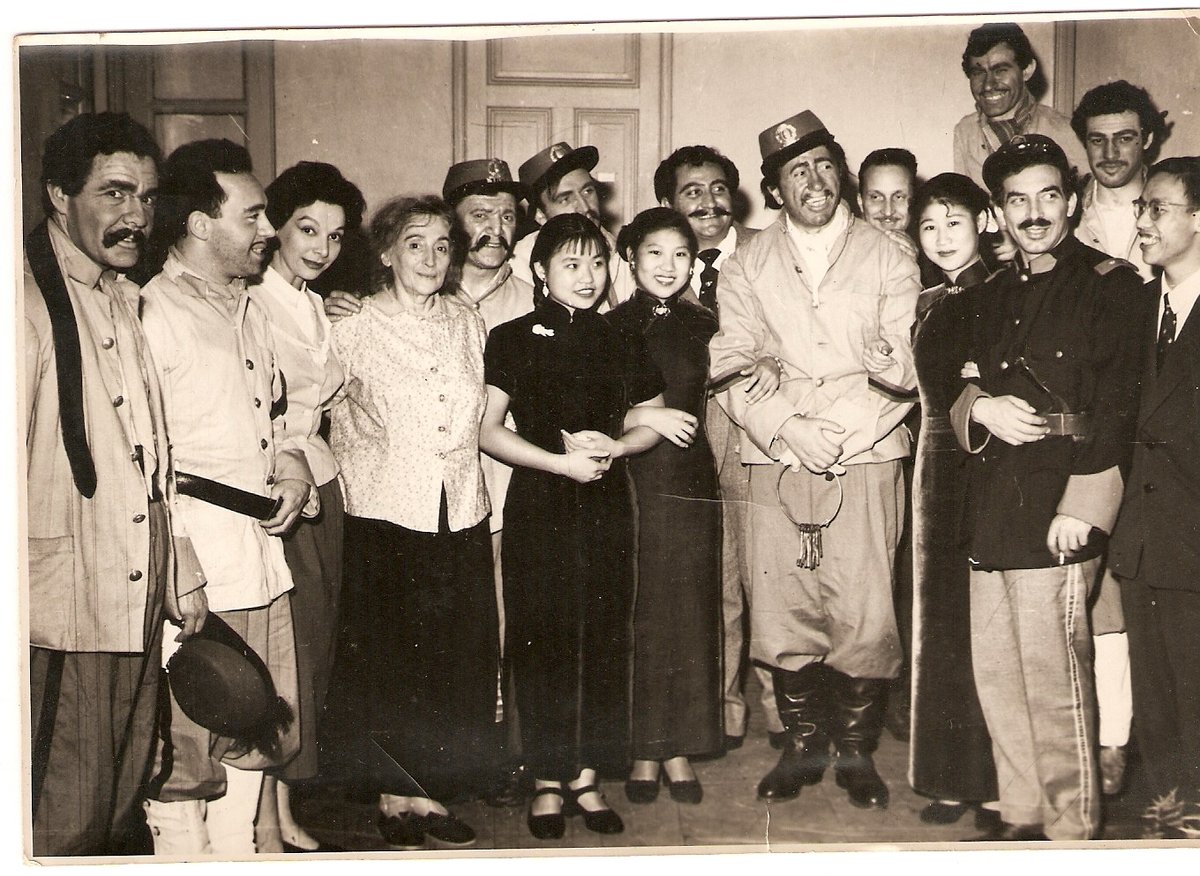
Peking Opera visit at Comedia Nacional in Teatro Nacional Cervantes featuring actors Miguel Narciso Bruse, Milagros de la Vega, Violeta Antier, and Marcelo Krass performing Juan de Dios Milico y Paisano
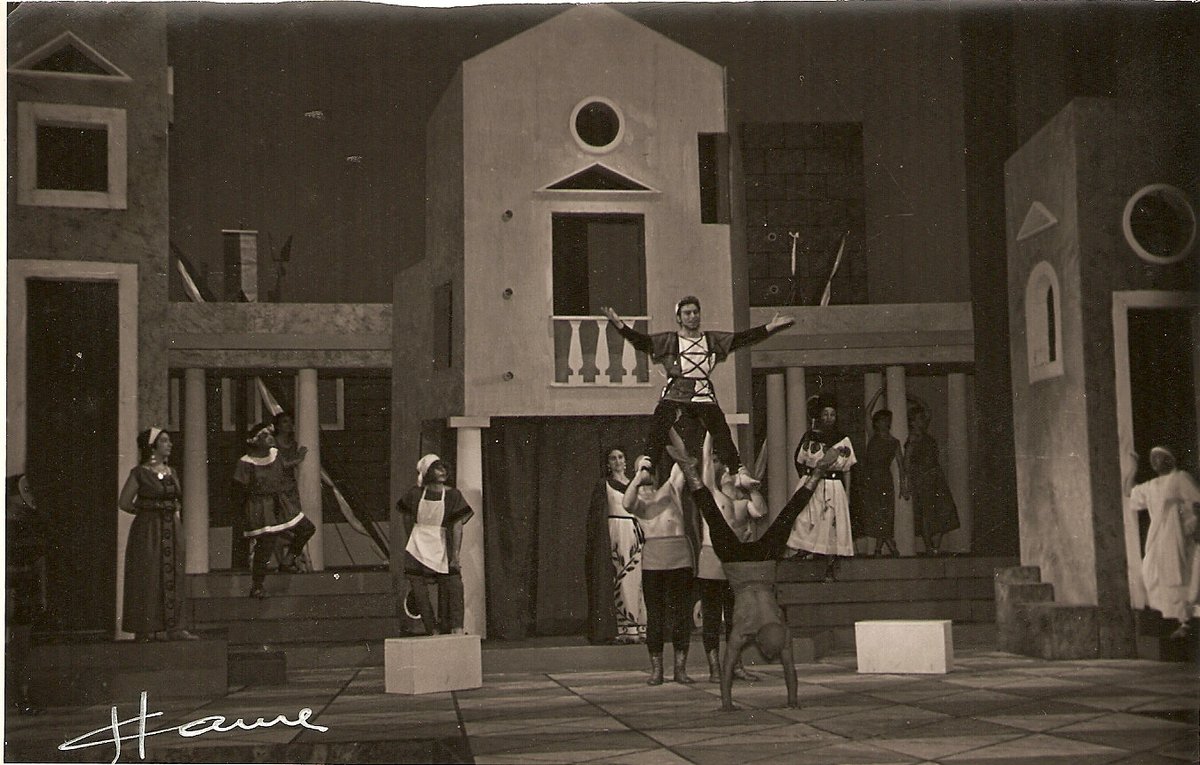
Scene from the theatrical performance of Los Mellizos by Plauto at the Teatro Nacional Cervantes
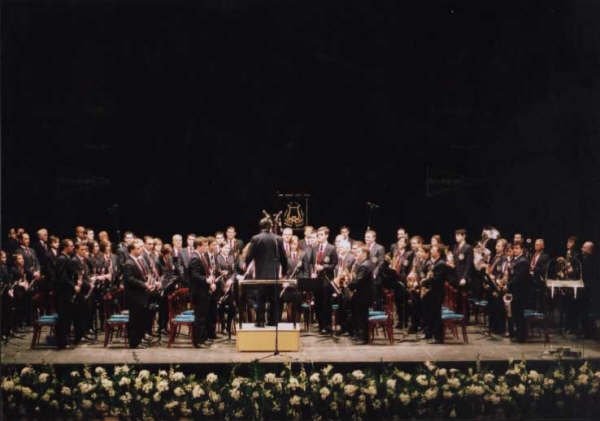
Banda de Herrera in performance at the historic Teatro Cervantes, showcasing traditional music
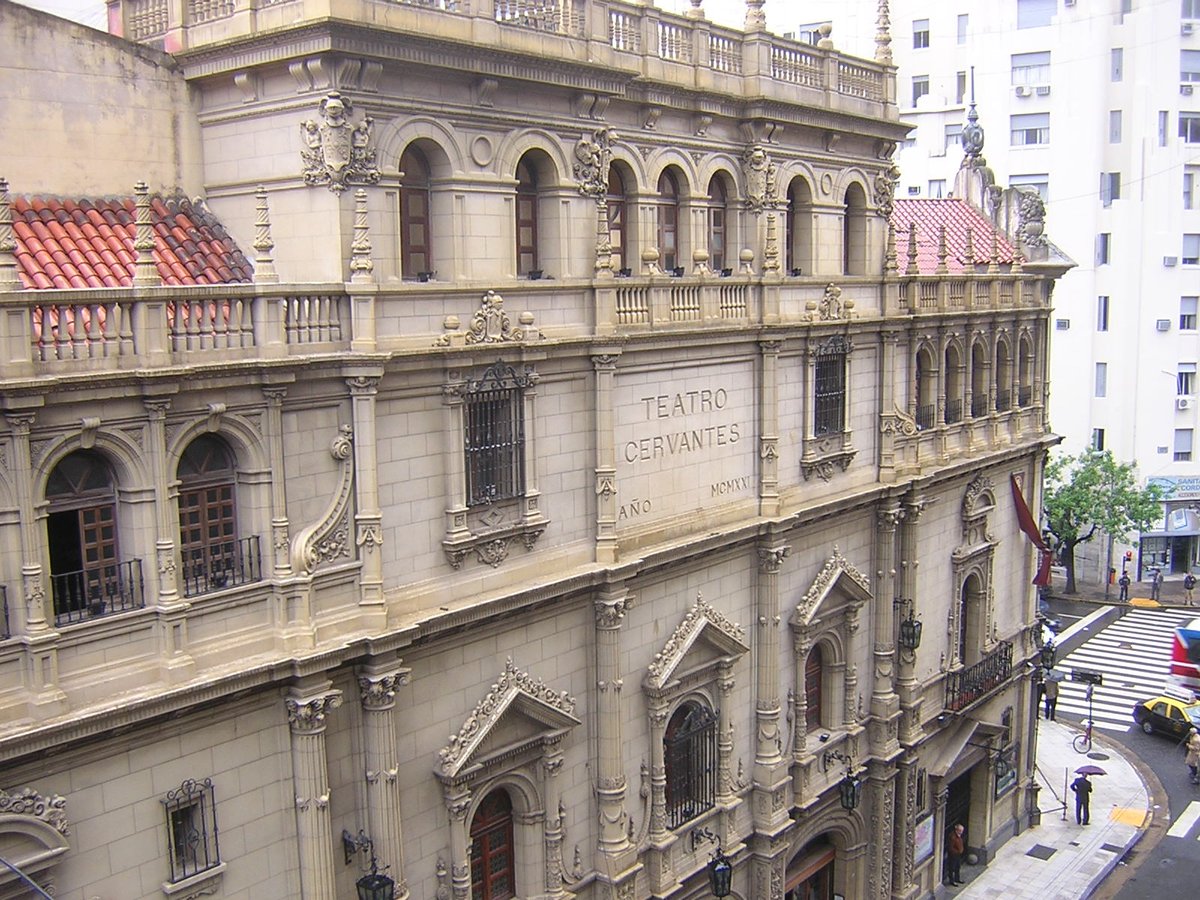
The historic Cervantes Theater located in the Tribunales theater district of Buenos Aires Argentina

Historical photo of Ana Carmen Macri entering the Women's Congress that established the female branch of the Peronist Party in July 1949.
Founding Vision
The Cervantes National Theatre was born from the vision of renowned Spanish actress María Guerrero and her husband, Fernando Díaz de Mendoza. Arriving in Argentina in 1897, they quickly became leading figures in Buenos Aires’ burgeoning theatre scene, popularizing Spanish classical drama and elevating production standards. Inspired by the city’s cultural vibrancy, they invested their fortune to establish a venue dedicated to Spanish dramatic arts, with support from King Alfonso XIII of Spain (Deep Buenos Aires; World History Commons).
Architectural Significance
Designed by Fernando Aranda and Emilio Repetto, the theatre’s façade draws inspiration from the University of Alcalá de Henares, showcasing intricate Plateresque and Renaissance motifs. Construction involved the import of materials and artisanal craftsmanship from Spain: tiles from Valencia, mirrors and seats from Seville, lamps from Lucena, and curtains from Madrid. The architectural grandeur is especially evident in the main auditorium, Sala María Guerrero, with its classic horseshoe layout and lavish décor (Turismo Buenos Aires; View Buenos Aires).
Milestones and National Heritage Status
The theatre opened on September 5, 1921, with Lope de Vega’s "La dama boba," starring Guerrero herself. It soon became a social and artistic landmark. Financial hardships in the mid-1920s threatened its future, but a national campaign led by artists and supported by President Marcelo Torcuato de Alvear secured its designation as a national theatre and, eventually, a National Historic Monument in 1995 (Wikipedia).
Restoration and Modernization
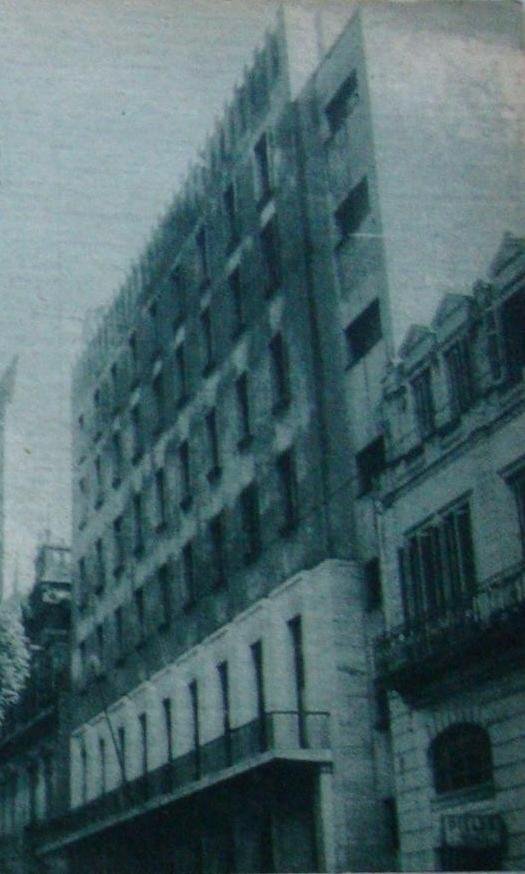
A major fire in 1961 destroyed much of the original building. Over seven years, the theatre was painstakingly restored, blending original Baroque elements with a modern annex designed by Mario Roberto Álvarez. This restoration balanced heritage conservation with contemporary technical standards, ensuring the theatre’s ongoing vitality (View Buenos Aires).
Visiting the Cervantes National Theatre
Location and Getting There
The theatre is centrally located at Libertad 815, in Buenos Aires’ Monserrat district—within walking distance of Corrientes Avenue, Teatro Colón, and other major landmarks. It is easily accessible via subway (Line D, Tribunales Station), multiple bus lines, and ride-sharing services. Limited parking is available nearby; public transport is recommended (Turismo Buenos Aires; Secrets of Buenos Aires).
Visiting Hours
- General Opening: Tuesday to Sunday, 11:00 AM – 7:00 PM
- Box Office: Typically open from 12:00 PM to 8:00 PM on performance days
- Closed: Mondays and public holidays
Always check the official website for up-to-date schedules.
Tickets and Guided Tours
- Purchasing Tickets: Tickets are sold online via the official theatre website or at the box office.
- Prices: Range from ARS 500 to ARS 2000, with discounts for students, seniors, and groups.
- Guided Tours: Available on weekends and some public holidays, including the immersive "La visita de los Guerrero," featuring actors in period dress. Tours offer insights into history, architecture, and the theatre’s founders (Expat Pathways).
Accessibility
- Wheelchair Access: Ramps, elevators, and accessible seating are available.
- Assistive Devices: Listening devices can be provided upon request.
- Languages: Guided tours are often available in Spanish and English.
Nearby Attractions
- Cultural Sites: Teatro Colón, Plaza Lavalle, Museo Nacional de Bellas Artes, Avenida Corrientes, and San Telmo.
- Dining: Numerous cafés and restaurants nearby offer Argentine and international cuisine.
Visitor Tips
- Arrive Early: Plan to arrive 30 minutes before your event for ticket collection and seating.
- Dress Code: Smart-casual attire is recommended.
- Photography: Permitted in public areas, but not during performances.
- Safety: The theatre and surrounding area are generally safe; use ride-sharing services for late-night travel.
Theatre Spaces and Programming
- Sala María Guerrero: The grand main hall, seats 860–870, with superior acoustics and a lavish gilded interior.
- Sala Orestes Caviglia: An intimate 150–165-seat space for chamber theatre and innovative productions.
- Sala Luisa Vehil (Golden Room): A 67-seat multipurpose venue adorned with gold detailing.
Programming spans classical and contemporary plays, concerts, educational workshops, and festivals. The theatre also houses the National Institute of Theatre Studies, a museum, library, and archives (Expat Pathways).
Architectural Highlights
Exterior
The façade is a masterful example of Spanish Baroque Revival, featuring elaborate stucco, wrought iron balconies, arched windows, and tilework. The symmetrical entrance, crowned with sculpted reliefs and decorative urns, pays homage to the theatre’s Spanish heritage (View Buenos Aires).
Interior
Highlights include the grand entrance hall with marble floors and columns, the opulent María Guerrero auditorium with its horseshoe layout and chandelier, and the richly decorated foyers adorned with murals, stained glass, and artisanal furnishings. Restoration efforts after the 1961 fire have preserved these features while integrating modern safety and technical infrastructure.
Accessibility and Facilities
The theatre is fully equipped for visitors with reduced mobility, and offers cloakrooms, restrooms on every floor, and multilingual signage (teatrocervantes.gob.ar).
Frequently Asked Questions (FAQ)
What are the Cervantes National Theatre visiting hours?
Tuesday–Sunday, 11:00 AM – 7:00 PM; box office generally 12:00 PM – 8:00 PM on show days.
How can I buy tickets?
Purchase online via the official website or at the box office.
Is the theatre accessible?
Yes, it features ramps, elevators, designated seating, and assistive listening devices.
Are performances suitable for non-Spanish speakers?
Most are in Spanish, but festivals and some shows offer English subtitles or programs.
Are guided tours available?
Yes; check availability and language options in advance.
What attractions are nearby?
Teatro Colón, Plaza Lavalle, Museo Nacional de Bellas Artes, Avenida Corrientes, San Telmo.
Listen to the full story in the app
Your Personal Curator, in Your Pocket.
Audio guides for 1,100+ cities across 96 countries. History, stories, and local insight — offline ready.
Audiala App
Available on iOS & Android
Join 50k+ Curators
Sources
- verified
- verified
- verified
- verified
- verified
- verified
- verified
- verified
- verified
Last reviewed: