Introduction
Located in the heart of the historic San Telmo neighborhood, the Buenos Aires Museum of Modern Art (Museo de Arte Moderno de Buenos Aires, commonly known as MAMBA or Museo Moderno) is a cultural beacon dedicated to Argentine and Latin American modern and contemporary art. Since its founding in 1956, MAMBA has played a pivotal role in fostering artistic innovation, dialogue, and public engagement, making it one of the city’s premier art destinations.
This comprehensive guide covers everything you need to know for an enriching visit, including museum history, architectural highlights, ticketing, accessibility, exhibitions, and travel tips. For the latest updates, visit the official MAMBA website or explore further at Think of Art.
Photo Gallery
Explore Buenos Aires Museum of Modern Art in Pictures
Founding and Early Years
The museum was established in 1956 by visionary curator Rafael Squirru, alongside a group of artists and intellectuals passionate about avant-garde and contemporary art. MAMBA set out to provide a dedicated space for the exhibition and discussion of modern art, quickly becoming a cultural hub through innovative public art installations and internationally recognized exhibitions (Think of Art; Introducing Buenos Aires).
Evolution and Relocation
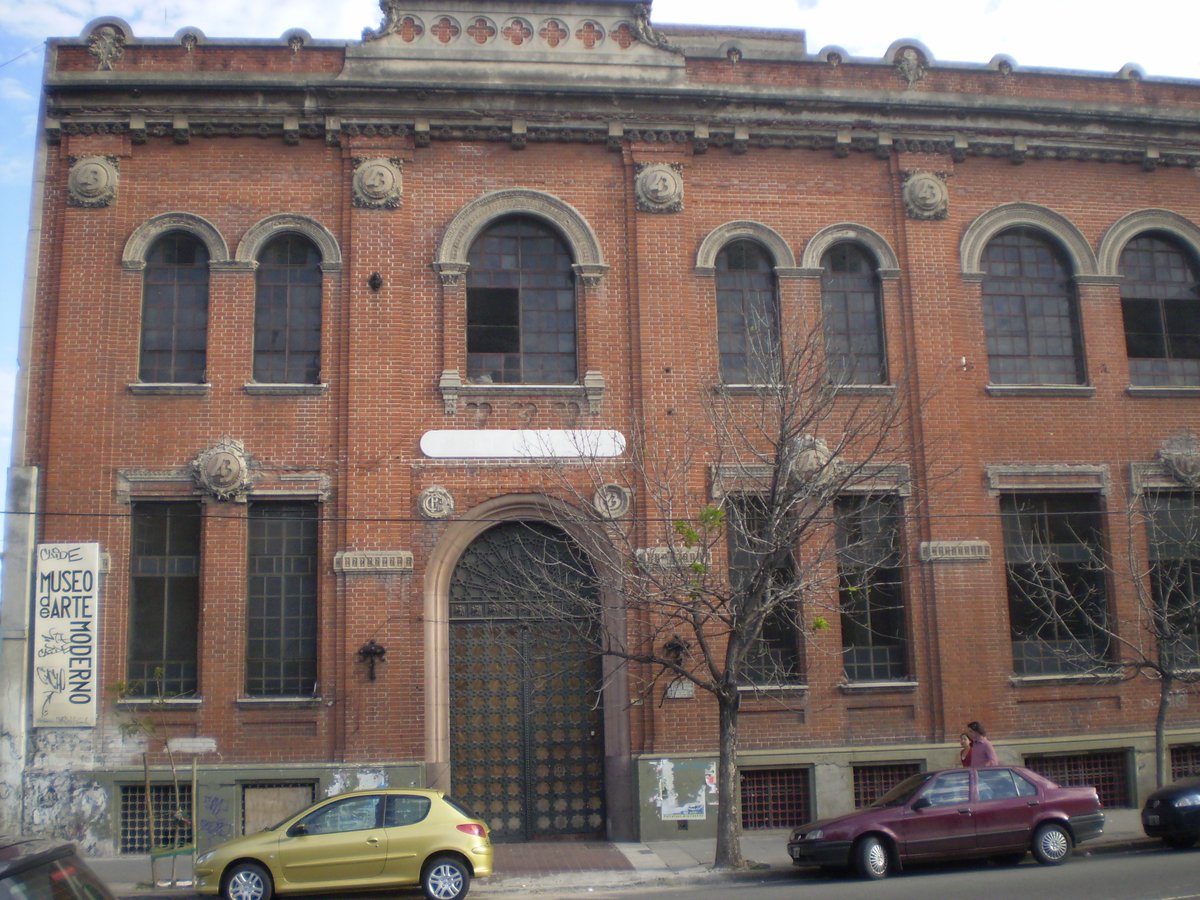
Initially nomadic, the museum occupied a series of temporary homes until 1989, when it moved to its current location—a repurposed 1950s Nobleza Piccardo tobacco factory in San Telmo (GQ). This adaptive reuse of industrial architecture provided space to expand the museum’s collection and programming.
Role in the Art Scene
MAMBA has consistently championed both established and emerging artists, promoting dialogue on themes such as identity, memory, and social justice. Its dynamic exhibition program and collaborative projects with local and international institutions have solidified its status as a leader in Argentina’s contemporary art scene (Think of Art).
Architectural Significance
The museum is housed in a landmark example of industrial adaptive reuse. Major renovations in 2009, led by architect Clorindo Testa, and a significant expansion in 2019 by MSGSSS and Matias Ragonese, have transformed the space into a 4,800-square-meter venue that blends historical preservation with minimalist, contemporary design (ArchDaily; Designboom).
Highlights include:
- A dramatic sculptural staircase crafted from black parapets, iron, marble, and mirrors.
- Large windows that fill galleries with natural light and offer views of San Telmo.
- A green façade integrating treetop finishes and vegetation for sustainability.
- Flexible gallery spaces that accommodate both intimate works and large-scale installations, such as Tomás Saraceno’s two-floor web project (GQ).
Visiting Information
Hours and Tickets
Opening Hours:
- Monday, Wednesday, Thursday, Friday: 11:00 AM – 7:00 PM
- Saturday, Sunday, Holidays: 11:00 AM – 8:00 PM
- Closed on Tuesdays (except public holidays)
Ticket Prices (as of June 2025):
- General Admission (Foreigners): 500 ARS
- Mercosur Residents: 250 ARS
- Free Admission: Every Wednesday for all visitors and always for people with disabilities
- Discounts: Available for students, seniors, and local residents
Tickets are available at the entrance or online via the official website.
Getting There
- Address: Av. San Juan 350, San Telmo, Buenos Aires, C1147AAO
- Subway: Line C (San Juan station), Line E (Independencia)
- Bus: Multiple lines including 4, 8, and 53
- Taxi/Ride-Share: Readily available in Buenos Aires
Accessibility
The museum is fully wheelchair accessible, with ramps, elevators, and accessible restrooms (Buenos Aires Free Walks). Clear signage and trained staff ensure a comfortable experience for all visitors.
Facilities and Amenities
- Cloakroom: Free storage for small bags and coats
- Restrooms: Clean and accessible
- Museum Shop: Art books, prints, and souvenirs
- Café: Serving coffee, pastries, and light meals
- Wi-Fi: Complimentary access throughout the museum
Collections and Exhibitions
MAMBA’s permanent collection comprises over 7,000 works, with strengths in:
- Argentine and Latin American Modernism: Paintings, sculptures, installations from 1950s onwards
- Notable Artists: Antonio Berni, Raquel Forner, León Ferrari, Marta Minujín, Gyula Kosice, and more
- Photography and Design: Contemporary photography and design objects
- International Artists: Works by Salvador Dalí, Pablo Picasso, Joan Miró, Henri Matisse, Josef Albers, Joseph Beuys, Wassily Kandinsky
Exhibitions rotate regularly, with temporary shows often addressing social, cultural, and political themes.
Events, Tours, and Digital Initiatives
- Guided Tours: Offered in Spanish and English; advance booking recommended
- Workshops and Educational Programs: For children, adults, and schools
- Artist Talks and Lectures: Regularly scheduled; check the museum calendar
- Digital Initiatives: The MODERN DIGITAL platform offers virtual exhibitions, interviews, and educational content (Museo Moderno)
Nearby Attractions
San Telmo is a vibrant neighborhood known for:
- San Telmo Market: Historic indoor market with antiques and local foods
- Plaza Dorrego: Renowned for its Sunday outdoor antiques fair
- Casa Minima: The narrowest house in Buenos Aires and a quirky photo spot
- Defensa Street: Lined with artisan shops, galleries, and tango bars
- Puerto Madero: Modern waterfront area, a short walk away
Pair your museum visit with a walking tour of San Telmo’s cobblestone streets and colonial architecture.
Frequently Asked Questions (FAQ)
Q: What are the visiting hours?
A: Monday, Wednesday-Friday: 11:00 AM – 7:00 PM; Saturday, Sunday, and holidays: 11:00 AM – 8:00 PM; closed on Tuesdays (except public holidays).
Q: How can I purchase tickets?
A: At the entrance or online via the official website.
Q: Is the museum accessible for visitors with disabilities?
A: Yes, with ramps, elevators, and accessible restrooms.
Q: Are there guided tours available?
A: Yes, in Spanish and English; advance booking recommended.
Q: Can I take photos inside?
A: Non-flash photography is generally allowed in permanent collections; check for exhibition-specific restrictions.
Q: Are there free admission days?
A: Yes, entry is free for everyone on Wednesdays and always for people with disabilities.
Listen to the full story in the app
Your Personal Curator, in Your Pocket.
Audio guides for 1,100+ cities across 96 countries. History, stories, and local insight — offline ready.
Audiala App
Available on iOS & Android
Join 50k+ Curators
Sources
-
verified
Think of Art
An Introduction to Museo de Arte Moderno de Buenos Aires (MAMBA)
- verified
-
verified
ArchDaily
(2019). This Curated List of Art Museums Showcases Buenos Aires Exhibition Architecture
-
verified
Designboom
(2019). MSGSSS Buenos Aires Museum of Modern Art (MAMBA) Expansion
-
verified
GQ
Design Tour: Buenos Aires
-
verified
About Buenos Aires
Museums
-
verified
Buenos Aires Free Walks
MAMBA Museum
- verified
Last reviewed: