Introduction
The Buenos Aires Metropolitan Cathedral stands as a powerful emblem of Argentina’s history, religion, and culture. Overlooking the iconic Plaza de Mayo, this cathedral is not only the spiritual heart of the city but also a living monument to the country’s architectural and national evolution. Its layered history, from its humble beginnings in the 16th century to its current grandeur, mirrors the story of Buenos Aires itself—reflecting waves of colonial, European, and modern influences (History Hit, Buenos Aires Architectural Legacy).
This comprehensive guide details the cathedral’s history, architectural highlights, cultural importance, and practical information for visitors, including hours, ticketing, accessibility, and travel tips. Whether you are a pilgrim, architecture enthusiast, or curious traveler, this article will help you make the most of your visit to one of Buenos Aires’ most treasured landmarks (Expat Pathways).
History and Architectural Evolution
Early Foundations and Colonial Beginnings
The origins of the Metropolitan Cathedral are rooted in Buenos Aires’ re-founding in 1580, when a plot was reserved for a church on what is now Plaza de Mayo (History Hit). The first structure, built soon after, was a modest wooden chapel reflecting the austere realities of early colonial life (Buenos Aires Architectural Legacy). In 1620, Buenos Aires was elevated to a bishopric by Pope Paul V, marking the beginning of the church’s central role in the city’s spiritual and civic identity.
Rebuilding and Transformation
The cathedral underwent at least six major reconstructions due to structural failures, fires, and floods over the 17th and 18th centuries (History Hit). The current structure began to take shape in the mid-18th century under Italian architect Antonio Masella. Despite challenges, including structural issues with the dome, the new design introduced grand Baroque and Rococo elements to the interior (Expat Pathways).
Neoclassical Facade and European Influence
The most distinctive feature of the cathedral is its Neoclassical facade, completed in 1822. Inspired by Paris’s Palais Bourbon, the design features twelve Corinthian columns symbolizing the apostles and a triangular pediment with a relief of Joseph’s reunion with his brothers—a symbol of national unity (Buenos Aires Architectural Legacy, Vamos Spanish). The lack of traditional bell towers sets it apart from other Latin American cathedrals, giving the exterior a monumental, Greco-Roman temple appearance.
Cultural and Religious Significance
As the seat of the Archdiocese of Buenos Aires, the cathedral has hosted countless religious ceremonies, state funerals, and national celebrations, and remains an active place of worship (History Hit). Its location on Plaza de Mayo places it at the crossroads of major historical events in Argentina’s past.
Mausoleum of General José de San Martín
Inside the right aisle is the mausoleum of General José de San Martín—the liberator of Argentina, Chile, and Peru. Designed by French sculptor Carrier-Belleuse and completed in 1880, the mausoleum is flanked by allegorical statues representing Argentina, Chile, and Peru, and is a focal point for national remembrance (JoeJourneys).
Connection to Pope Francis
From 1998 to 2013, Jorge Bergoglio (now Pope Francis) served as Archbishop here, deepening the cathedral’s international significance. A dedicated museum showcases his personal and liturgical items, drawing pilgrims and visitors from around the world (miBsAs.com).
Visiting Information
Hours and Admission
- Monday to Friday: 8:00 a.m. – 7:00 p.m.
- Saturday and Sunday: 9:00 a.m. – 7:30 p.m.
- Admission: Free for all visitors; donations welcome (miBsAs.com, Tititudorancea).
Religious Services
Regular Masses are held daily; check schedules for specific times. Visitors are encouraged to avoid sightseeing during services if they wish to explore freely.
Accessibility
- Wheelchair access is provided via ramps at the main entrance.
- Accessible restrooms are available.
- Contact the visitor center in advance for special accommodations (Expat Pathways).
Guided Tours and Events
- Guided tours: Available in multiple languages. Inquire at the entrance or book through the official website.
- Concerts and Events: The cathedral hosts concerts featuring its historic Walcker organ and national ceremonies. Check the official site for schedules (Turismo Buenos Aires).
Dress Code and Etiquette
- Dress modestly (shoulders and knees covered).
- Remain quiet and respectful inside.
- Photography is allowed without flash in most areas, but may be restricted during Mass or special events.
Travel Tips and Nearby Attractions
- Location: Corner of San Martín and Rivadavia, Plaza de Mayo (The Catholic Travel Guide).
- Public Transport: Closest subway station is Catedral (Line D); numerous bus lines also stop nearby.
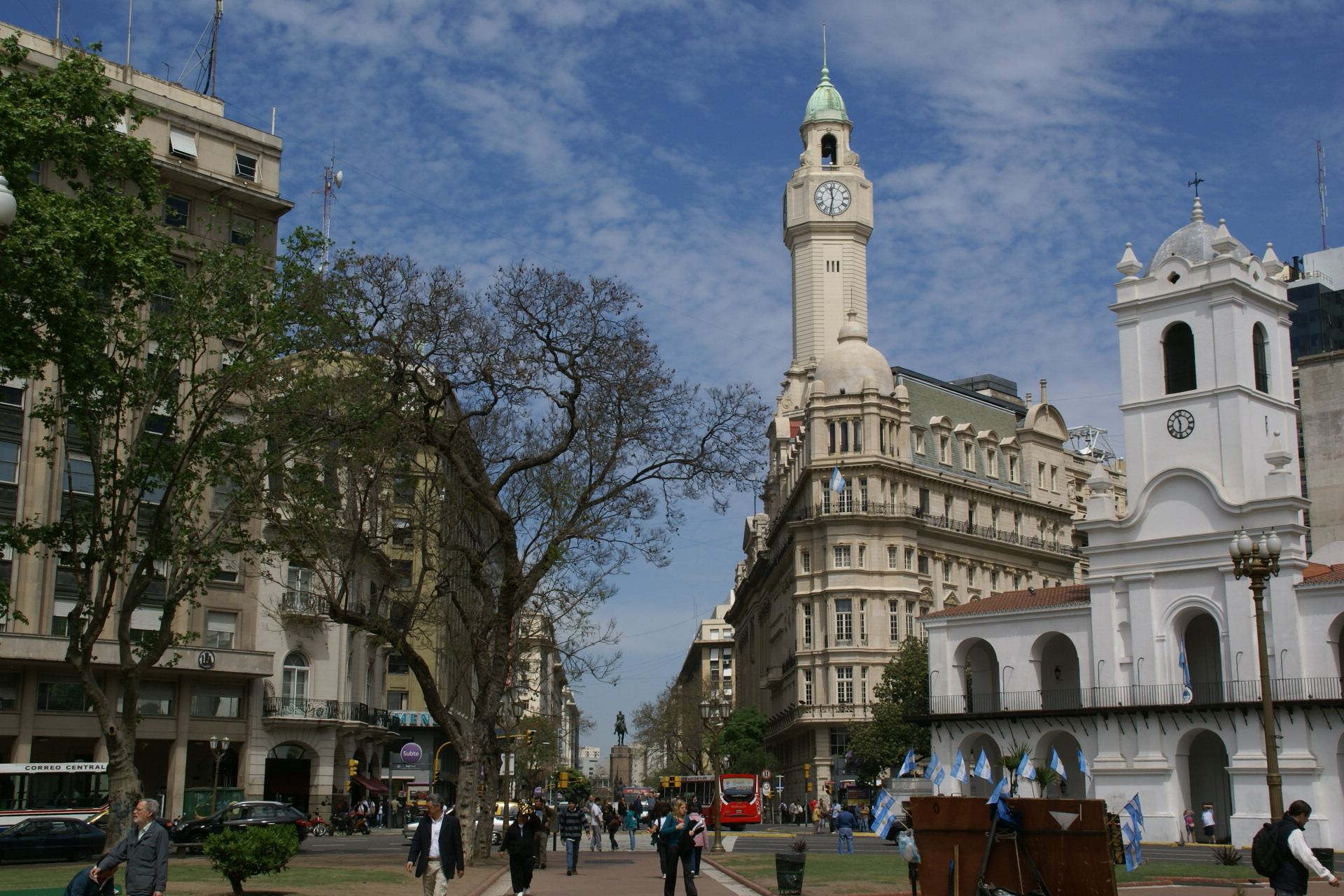
- Nearby sites: Casa Rosada, Cabildo, Obelisco, San Telmo neighborhood.
- Best times: Spring and autumn for pleasant weather; early mornings or late afternoons for quieter visits (Secrets of Buenos Aires).
Highlights and Artistic Treasures
- Neoclassical Façade: Twelve Corinthian columns and a symbolic pediment (Vamos Spanish).
- Baroque and Rococo Interior: Gilt wood main altar (1785), richly decorated nave and domes (Expat Pathways).
- Venetian-Style Mosaics: Installed in the early 20th century.
- Stations of the Cross Paintings: Fourteen large oils by Francesco Domenighini.
- Walcker Organ (1871): Over 3,500 pipes, used for concerts.
- Pope Francis Museum: Personal and liturgical objects from his ministry in Buenos Aires.
- Christ of Buenos Aires Sculpture (1671): The cathedral’s oldest statue (The Catholic Travel Guide).
Frequently Asked Questions (FAQ)
Q: What are the Buenos Aires Metropolitan Cathedral visiting hours?
A: Monday to Friday: 8:00 a.m. – 7:00 p.m.; Saturday and Sunday: 9:00 a.m. – 7:30 p.m.
Q: Is there an entrance fee or are tickets required?
A: Entry is free; donations are appreciated.
Q: Are guided tours available?
A: Yes, in multiple languages—check at the entrance or online.
Q: Is the cathedral wheelchair accessible?
A: Yes, with ramps and accessible facilities.
Q: Can I take photos inside?
A: Yes, except during Mass or in restricted areas; no flash.
Q: How do I get there?
A: Located on Plaza de Mayo, accessible by subway (Catedral station), bus, taxi, or on foot.
Listen to the full story in the app
Your Personal Curator, in Your Pocket.
Audio guides for 1,100+ cities across 96 countries. History, stories, and local insight — offline ready.
Audiala App
Available on iOS & Android
Join 50k+ Curators
Sources
- verified
- verified
- verified
- verified
- verified
- verified
- verified
- verified
- verified
- verified
- verified
- verified
Last reviewed: