Introduction
Located in the heart of Palermo, Buenos Aires Eco-Park is a pioneering example of urban ecological transformation. Once the city’s historic zoo, this 18-hectare green space now serves as a hub for wildlife conservation, public education, and the celebration of Argentina’s biodiversity. Visitors can explore a unique blend of historic architecture, interactive exhibits, and conservation programs designed to inspire a deeper connection with nature and culture.
This guide provides detailed information on the park’s history, visiting hours, ticketing, accessibility, nearby attractions, conservation initiatives, and practical travel tips to help you enjoy an enriching and responsible visit to one of Buenos Aires’ most significant landmarks. For the latest updates and resources, visit the official Buenos Aires Eco-Park website.
Origins and Transformation
The Buenos Aires Eco-Park occupies the grounds of the former Buenos Aires Zoo, which opened in 1888 as a center for public education and scientific study, housing over 2,500 animals and featuring eclectic European-style architecture (whichmuseum.co.uk). As global attitudes evolved, increasing concern for animal welfare led to a re-evaluation of traditional zoo models. In 2016, the zoo was closed and transformed into an eco-park, prioritizing conservation, education, and the rehabilitation of native and endangered species (serargentino.com, speciesunite.com).
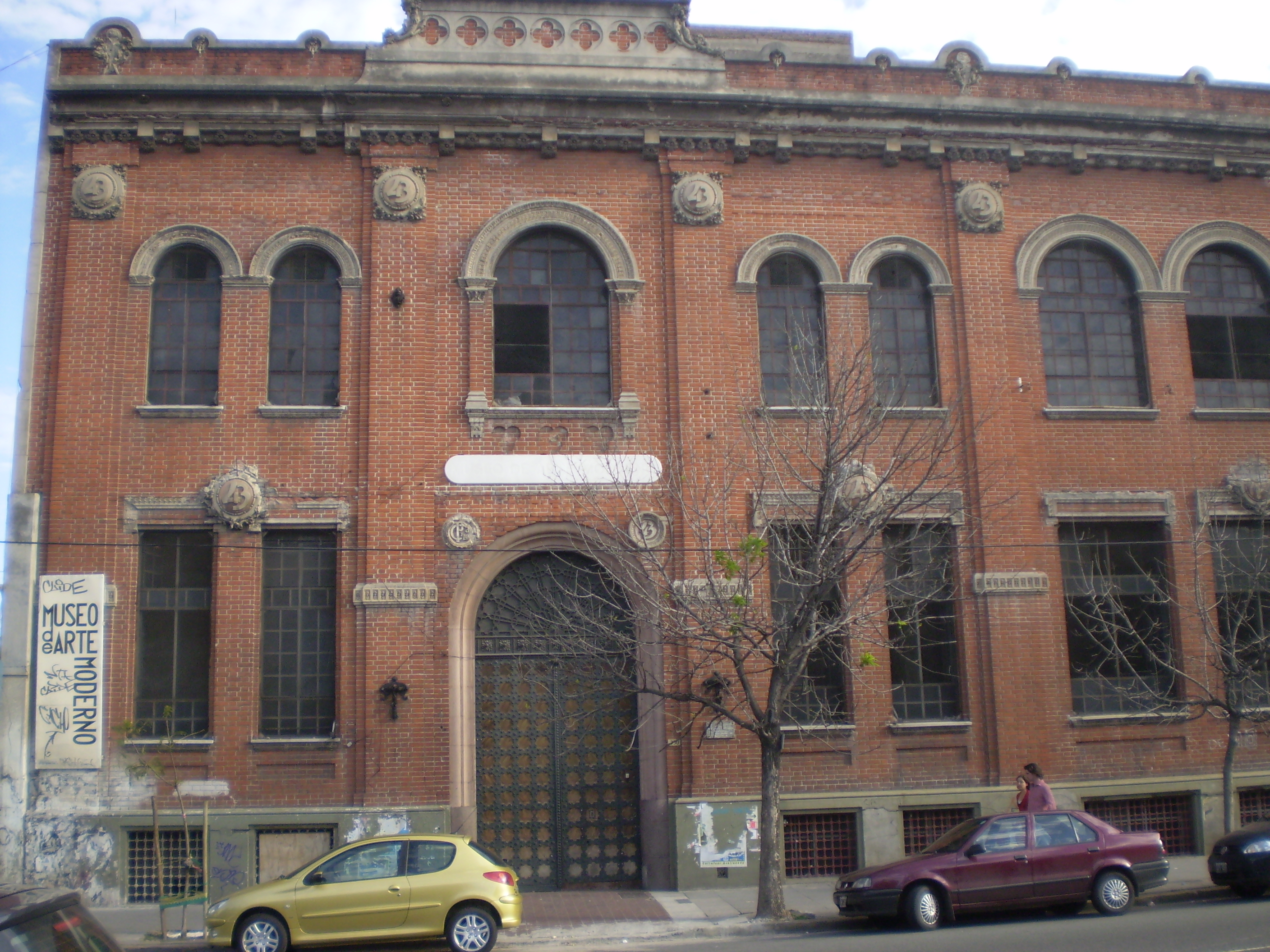
During this transformation, more than 1,000 animals were relocated to sanctuaries, and the park’s focus shifted toward biodiversity protection and public engagement (gotobuenosaires.com). Today, over 40 historic buildings—ranging from Moorish to Greek styles—have been preserved or adapted for educational use (turismo.buenosaires.gob.ar, expatpathways.com).
Visiting Buenos Aires Eco-Park: Essential Information
Opening Hours
- Tuesday to Sunday: 10:00 AM – 6:00 PM
- Closed Mondays and on select public holidays
- Seasonal or event-based variations may apply; always confirm via the official website.
Ticket Information
- Adults: ARS 150
- Children (under 12): ARS 80
- Seniors and students: ARS 100
- Children under 3: Free
- Tickets can be purchased online or at the entrance. Advance booking is recommended due to visitor limits.
Accessibility
- Wheelchair-accessible paths and restrooms
- Assistance for visitors with special needs upon request
- Some historic buildings may have limited access; contact the park ahead for details
Getting There
- Location: Palermo, near Plaza Italia
- Public Transport: Subte Line D (Plaza Italia station), multiple bus lines
- Parking: Limited; public transportation is strongly encouraged
Visitor Tips
- Wear comfortable walking shoes
- Bring sun protection and water, especially in warmer months
- Respect park rules: do not feed animals, and stay on marked paths
Conservation and Education Initiatives
Conservation Programs
Buenos Aires Eco-Park is a leader in urban conservation, operating 15 active programs and rescuing over 3,900 native animals (awesomeanimals.org). Key initiatives include:
- Andean Condor Rehabilitation
- Marine Fauna and Birds of Prey Rescue
- Genetic Bank and Reproductive Technology Laboratory
- Chaqueña Herpetofauna Conservation
These efforts support national and international biodiversity goals, aligning with Argentina’s policies for protected areas and endangered species (generisonline.com).
Education and Community Engagement
The park provides workshops, guided tours, and interactive exhibits to foster environmental awareness among families, students, and the broader community. Partnerships with universities and NGOs amplify its role as a living classroom (serargentino.com).
Cultural and Environmental Impact
Architectural Heritage
With over 40 historic buildings—many declared National Historic Monuments—the park is a cultural landmark displaying diverse architectural styles from Moorish to Greek to Chinese influences (turismo.buenosaires.gob.ar). Restoration projects blend preservation with modern sustainability standards (expatpathways.com).
Urban Green Space
The Eco-Park’s design has increased green space by 24% and reduced concrete by 40%, enhancing biodiversity and contributing to urban well-being (myanimals.com). It is part of Buenos Aires’ broader network of over 250 parks and ecological reserves, crucial for climate regulation and pollution mitigation (travelprofessionalnews.com, c40.org).
Visitor Experience and Facilities
- Guided Tours: Bookable online; focus on conservation, history, and wildlife
- Workshops and Events: Frequent family-friendly programs, especially on weekends and environmental dates
- Photography: Permitted for personal use; professional and drone usage requires prior authorization
- Rest Areas: Shaded benches and lawns; picnic-friendly zones
- Food Services: Limited inside; many options in nearby Palermo
- Safety: Security staff, health protocols (including sanitizing stations), and clear signage throughout
Nearby Attractions
Enhance your visit by exploring these nearby sites:
- Buenos Aires Botanical Garden
- Japanese Garden
- MALBA – Museum of Latin American Art
- Palermo Woods and Evita Museum
Combining these destinations with your Eco-Park visit creates a rich itinerary in Buenos Aires’ greenest district.
Frequently Asked Questions (FAQ)
What are the opening hours?
Tuesday to Sunday, 10:00 AM to 6:00 PM. Closed Mondays.
How do I buy tickets?
Purchase online or at the entrance. Early booking is advised during busy times.
Is the park accessible?
Yes, most paths and restrooms are wheelchair-accessible. Staff can assist with additional needs.
Are pets allowed?
No, to ensure the safety of rescued wildlife.
Are guided tours available?
Yes, in Spanish and sometimes English. Book ahead via the official website.
Is photography allowed?
Yes, for personal use. Drones or professional equipment require authorization.
Plan Your Visit
- Check official updates for any changes to hours, ticketing, or health protocols.
- Download the Audiala app for navigation, real-time updates, and exclusive tips.
- Follow Eco-Park’s social media for news on upcoming events, workshops, and conservation projects.
Listen to the full story in the app
Your Personal Curator, in Your Pocket.
Audio guides for 1,100+ cities across 96 countries. History, stories, and local insight — offline ready.
Audiala App
Available on iOS & Android
Join 50k+ Curators
Sources
- verified
- verified
- verified
- verified
- verified
- verified
- verified
- verified
- verified
- verified
- verified
- verified
Last reviewed: