Introduction
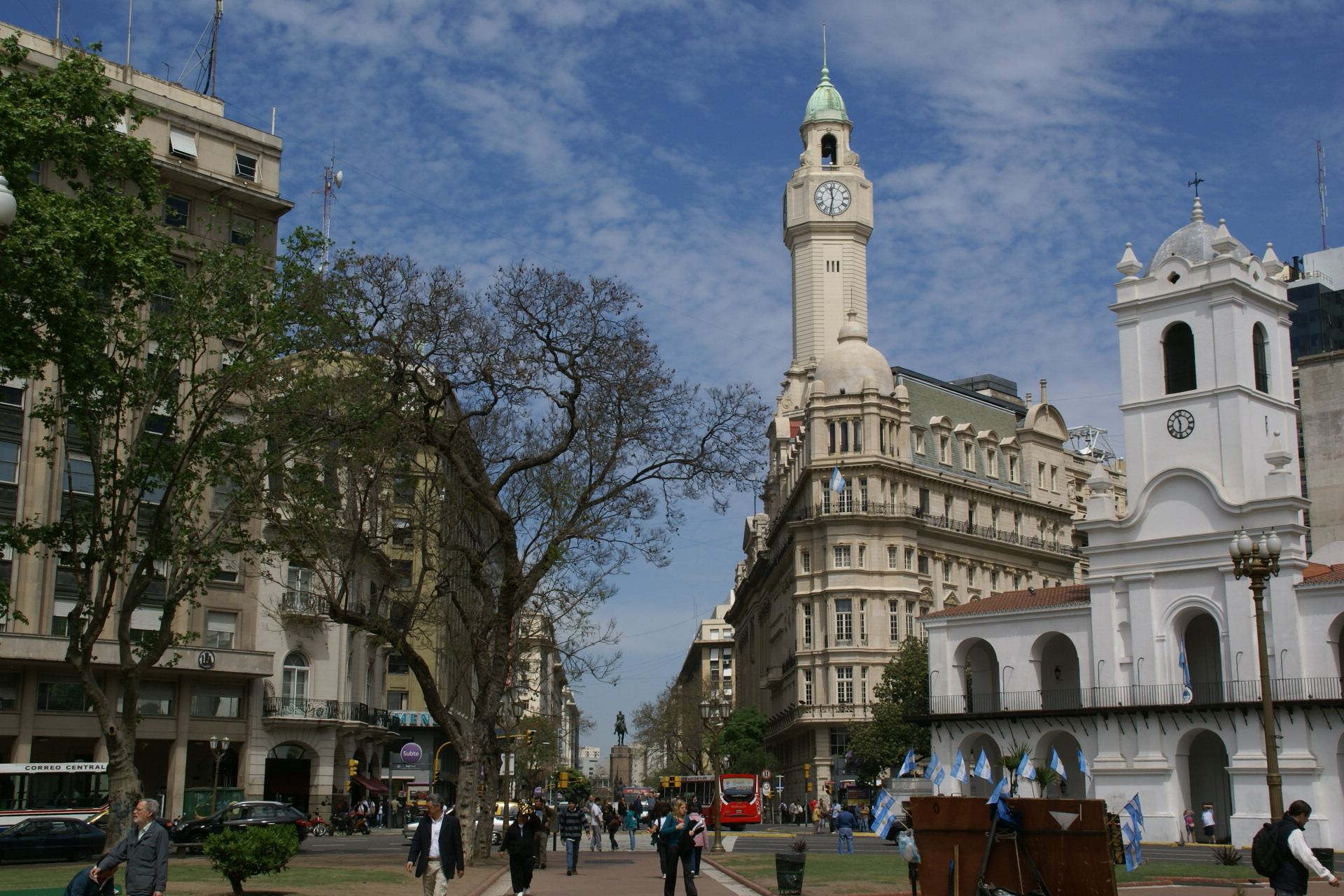
The Buenos Aires City Legislature Palace (Palacio de la Legislatura de la Ciudad de Buenos Aires) is a monumental landmark in the heart of Argentina’s capital. Blending French Neoclassical and Beaux-Arts architectural styles, the palace not only serves as the seat of the city’s legislative branch but also stands as a symbol of Buenos Aires’ political, cultural, and artistic aspirations. Its strategic location in the historic Montserrat neighborhood, close to Plaza de Mayo, Casa Rosada, and other important sites, makes it a must-visit for those seeking to understand the city’s heritage and civic life (Wikipedia; turismo.buenosaires.gob.ar).
This comprehensive guide will take you through the palace’s history, key architecture, visiting hours, ticketing information, accessibility, surrounding attractions, and practical tips for an enriching experience.
Historical Background and Architectural Significance
Origins and Construction
The Buenos Aires City Legislature Palace was conceived in the early 20th century to address the growing administrative needs of the city. Construction began in 1926, with architect Héctor Ayerza’s winning design drawing heavily on French Neoclassical traditions. The cornerstone was laid during the First Congress of Municipalities, and the palace was inaugurated in 1931, marking a significant milestone in the city’s civic development (Wikipedia).
Historical Milestones
Beyond its role as the legislative seat, the palace has been central to key political events in Argentina. During Juan Perón’s presidency, part of the building housed the Secretariat of Labor and Social Insurance. Its designation as a National Historic Monument in 1951 and as a Historic Protection Area in 1977 underscores its enduring importance (Wikipedia).
Exterior and Interior Features
Architectural Highlights
The palace is a striking example of French Neoclassical and Beaux-Arts architecture, featuring:
- A grand granite façade with Corinthian columns and bronze embellishments.
- 26 cornice caryatids sculpted by Troiano Troiani.
- A 97-meter clock tower with a Westminster-style clock and a 30-bell carillon, at one time the largest in South America (turismo.buenosaires.gob.ar).
Interior Spaces
Notable interiors include:
- Golden Hall (Salón Dorado): Modeled after the Hall of Mirrors at Versailles, this ceremonial space features crystal chandeliers and ornate gilding.
- San Martín and Montevideo Halls: Venues for legislative and cultural events.
- Salón Rosado (Eva Perón Hall): Dedicated to Eva Perón, symbolizing the advancement of women in Argentine public life.
- Legislative Chamber: A semicircular chamber equipped with modern legislative technology (Wikipedia).
Artistic Elements
The palace is adorned with stained glass windows, murals, sculptures, and period furnishings, reflecting Argentina’s political and artistic heritage.
Visiting Information: Hours, Tickets, and Accessibility
Visiting Hours
- General Public: Monday to Friday, 10:00 AM to 5:00 PM. Closed weekends and holidays.
- Guided Tours: Available during visiting hours; check the official website for updates.
Tickets and Entry
- Admission: Free of charge. Guided tours are also free but often require advance booking.
- Identification: A valid photo ID or passport is required for entry. All visitors must pass through security screening.
Accessibility
- Mobility: Ramps and elevators are available for visitors with reduced mobility.
- Languages: Spanish is the main language; some tours are offered in English (PlanetWare).
- Photography: Allowed in most public areas, except during legislative sessions or in restricted rooms.
Key Attractions and Notable Collections
Libraries
- Esteban Echeverría Library: Houses over 30,000 works, including rare books from Argentina’s colonial and independence eras.
- José Hernández Periodicals Library: Contains newspaper archives dating back to 1870 (Wikipedia).
Both libraries are open to the public, offering resources for scholars and visitors.
Clock Tower and Carillon
The iconic clock tower features four large clock faces and a carillon of 30 bells. Occasionally, guided tours grant access to the tower’s observation deck.
Travel Tips and Nearby Landmarks
Getting There
- Public Transit: Subway stations Perú (Line A) and Catedral (Line D) are nearby.
- Buses: Multiple lines serve the area.
- Walking: The palace is within walking distance of Plaza de Mayo, Casa Rosada, and the Metropolitan Cathedral (everything.explained.today).
Nearby Attractions
- Plaza de Mayo: The city’s historic main square.
- Avenida de Mayo: Features Beaux-Arts architecture and traditional cafés.
- San Telmo and Puerto Madero: Cultural neighborhoods with markets, tango shows, and dining options (touristsecrets.com).
Visitor Tips
- Arrive early or late in the afternoon to avoid crowds.
- Dress respectfully and maintain a quiet demeanor in formal spaces.
- Bring cash for nearby cafés; not all accept credit cards (myadventuresacrosstheworld.com).
Preservation and Heritage Status
The palace is a National Historic Monument and enjoys comprehensive protective status. Restoration projects maintain its original features, including stained glass, marble interiors, and the carillon (Wikipedia).
Cultural and Political Importance
The Buenos Aires City Legislature Palace is both a functioning seat of government and a civic symbol. It has hosted pivotal events in Argentina’s political evolution and continues to foster public engagement through open sessions, educational activities, and cultural events (legislatura.gob.ar).
Frequently Asked Questions (FAQ)
Q: What are the Buenos Aires City Legislature Palace visiting hours?
A: Monday to Friday, 10:00 AM to 5:00 PM. Closed on weekends and public holidays.
Q: Is admission free?
A: Yes, entry and guided tours are free, but booking is recommended for tours.
Q: Are guided tours available in English?
A: Some tours are offered in English. Check availability when booking.
Q: Is the palace accessible for people with disabilities?
A: Yes, ramps and elevators are available.
Q: Can I take photographs inside?
A: Photography is generally permitted except during legislative sessions or in restricted areas.
Q: What is the best way to get there?
A: By subway (Perú or Catedral stations), bus, or on foot from nearby landmarks.
Listen to the full story in the app
Your Personal Curator, in Your Pocket.
Audio guides for 1,100+ cities across 96 countries. History, stories, and local insight — offline ready.
Audiala App
Available on iOS & Android
Join 50k+ Curators
Sources
- verified
- verified
- verified
- verified
- verified
- verified
- verified
Last reviewed: