Introduction
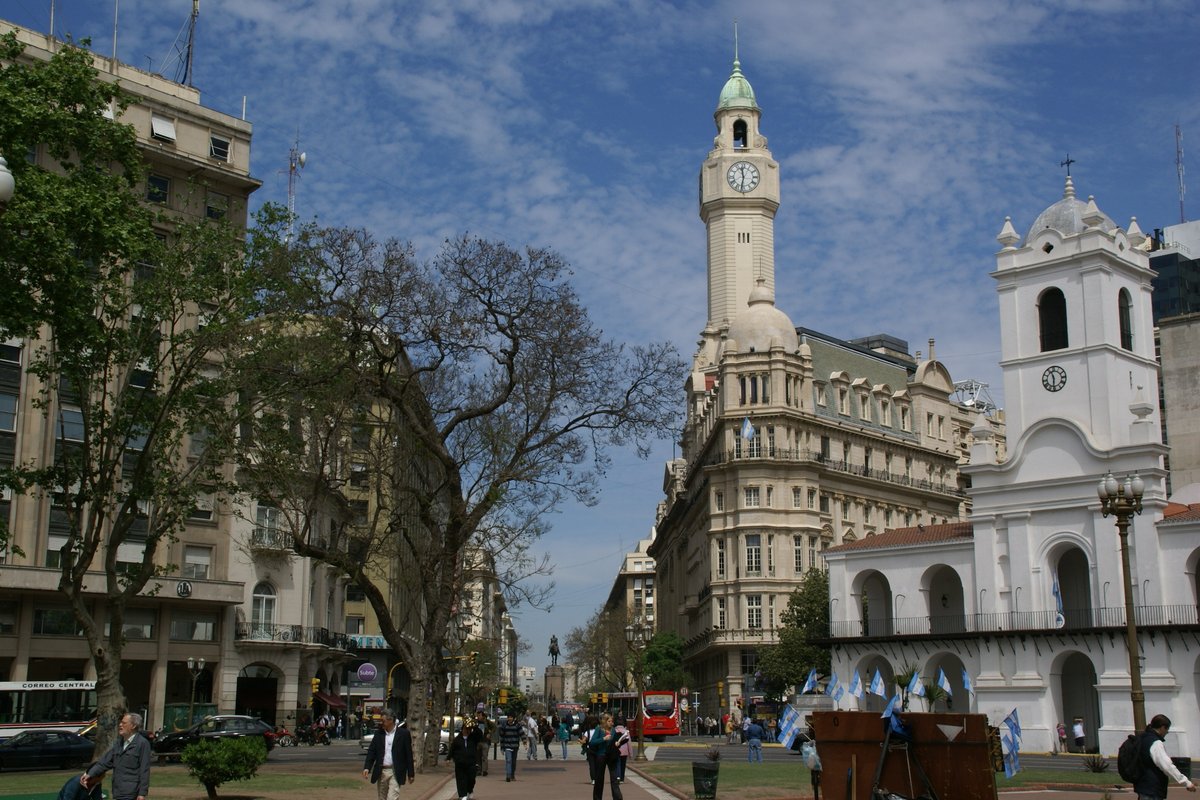
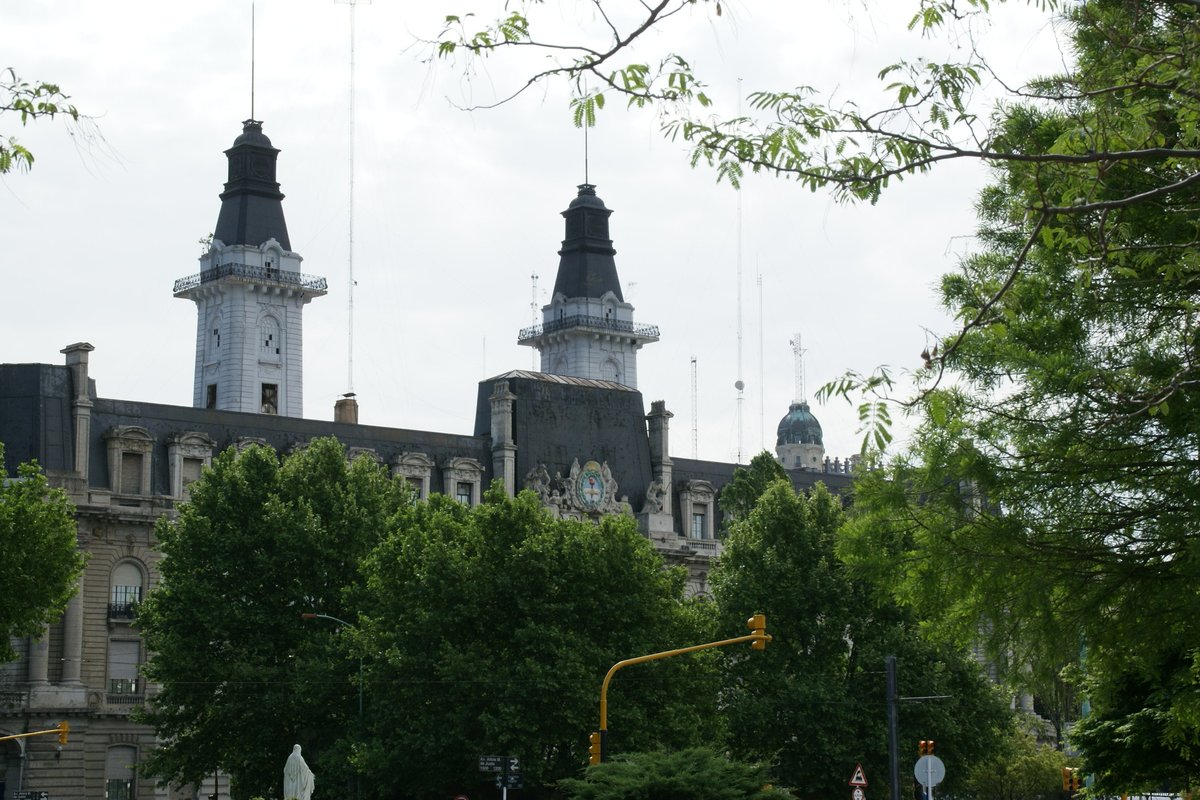
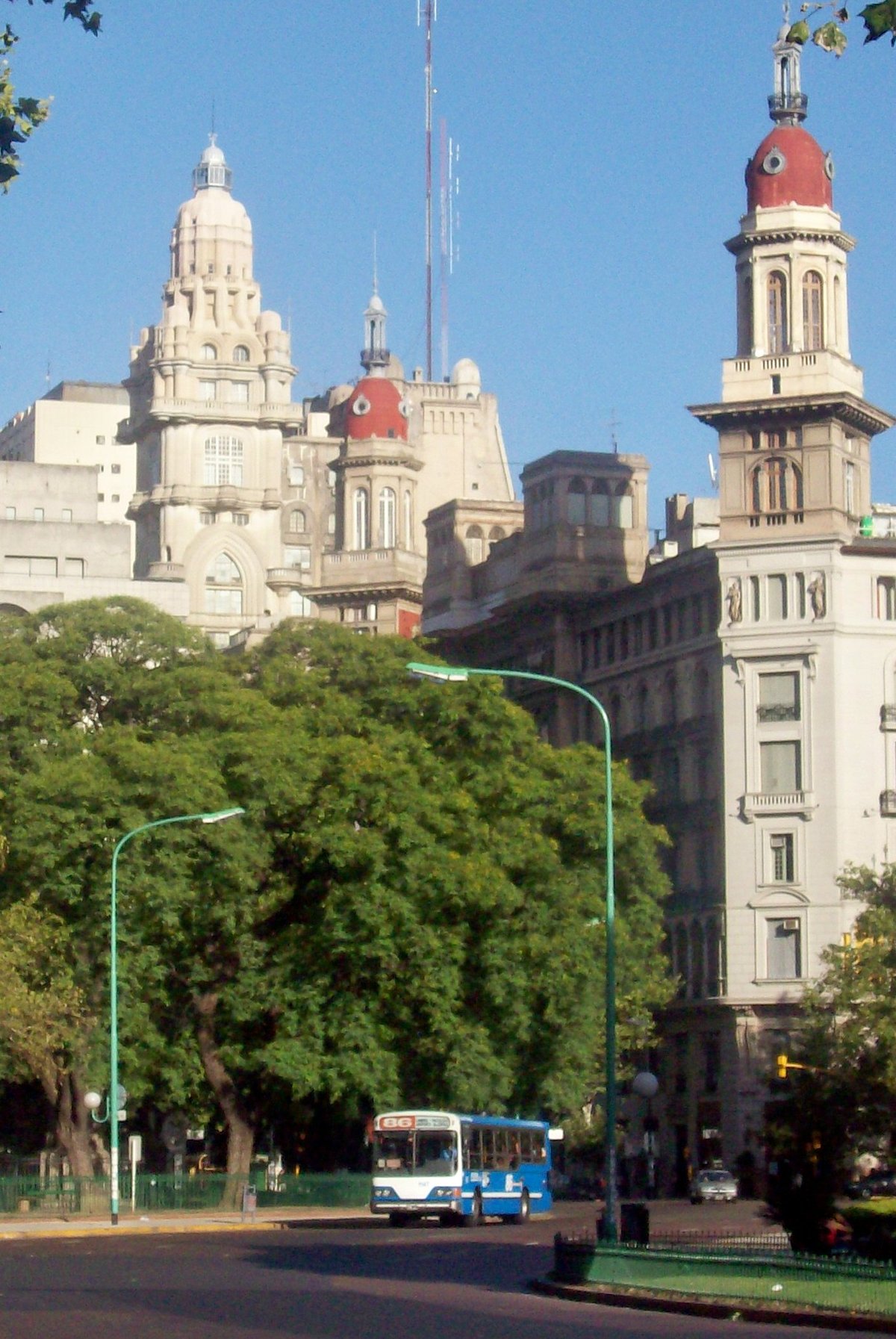
The Barolo Palace (Palacio Barolo) is not just a remarkable feat of architecture but also a living monument to the cosmopolitan spirit of Buenos Aires. Rising above Avenida de Mayo, this 100-meter-tall building was designed by Mario Palanti and commissioned by Italian-Argentine entrepreneur Luis Barolo. Deeply inspired by Dante Alighieri’s Divine Comedy, the palace was envisioned as a sanctuary for European culture in South America. Today, it stands as an enduring testament to innovation, literary symbolism, and the city’s rich immigrant heritage, attracting visitors from around the world (Buenos Aires City Government; Vamos Spanish Academy; Casa Argentina en Paris; Wikipedia).
This comprehensive guide covers everything you need to plan your visit—from historical context and architectural highlights to practical advice on tours, tickets, accessibility, and nearby attractions.
Photo Gallery
Explore Barolo Palace in Pictures
Historical Background
Origins and Vision
Luis Barolo, an Italian textile magnate, arrived in Argentina in 1890 and became a pioneer in the country’s industrialization. Motivated by concerns for the future of European culture amid the threat of war, Barolo set out to create a symbolic refuge for Italian heritage. His vision was to honor Dante Alighieri, intending the palace as a mausoleum for the poet’s ashes—a plan never realized, yet emblematic of Barolo’s commitment to cultural preservation (Vamos Spanish Academy).
Architectural Design and Symbolism
Mario Palanti’s design for the Barolo Palace is an intricate allegory of Dante’s Divine Comedy. The building is segmented into three sections:
- Hell (Inferno): Ground floor and basement, marked by heavy materials and low light.
- Purgatory (Purgatorio): Middle floors, lighter and more open.
- Paradise (Paradiso): Uppermost levels and the glass lighthouse, offering an ethereal experience.
The palace’s height (100 meters) corresponds to the 100 cantos of the poem, and its 22 floors mirror the number of verses per canto. The façade fuses neo-Gothic, neo-Romanesque, and Art Nouveau styles, while Latin inscriptions, allegorical sculptures, and intricate ironwork further reinforce its literary symbolism (Buenos Aires City Government; Millas x el Mundo).
Construction and Engineering Innovations
Work began in 1919, and the palace was inaugurated in 1923 as the tallest building in South America. Its construction required special municipal approval and pioneered the use of reinforced concrete in Argentina. The palace features nine elevators, two hidden for Barolo’s exclusive use, and a bronze dome inspired by Hindu temples. The lighthouse, originally equipped with a powerful beam, was meant to symbolically connect with Palacio Salvo in Montevideo, another Palanti creation (Wikipedia).
Legacy and Influence
Palacio Barolo’s influence is evident in its Montevideo twin and its impact on Buenos Aires’ architectural landscape. Declared a National Historic Monument in 1997, it continues to function as a working office building and a vibrant cultural hub (Touristlink).
Visiting Palacio Barolo
Guided Tours and Visiting Hours
Palacio Barolo can only be visited via guided tours, offered in both Spanish and English (Rebecca and the World). Tours are available Tuesday to Sunday, generally from 10:00 AM to 6:00 PM, with evening tours on select days. The building is closed on Mondays and certain holidays. Booking in advance is highly recommended, especially for evening tours or during peak tourist seasons (The Orange Backpack).
Tour Types:
- Daytime Tours: 1.5–2 hours, covering the building’s history, architecture, and symbolism.
- Evening Tours: Include city views illuminated by night and a complimentary glass of wine.
- Themed Tours: Focusing on Dante, architectural details, or special occasions (Expat Pathways).
Ticket Prices (as of June 2025)
- Adults (Non-Residents): 16,800 ARS
- Students/Seniors: 12,700 ARS
- Children under 7: Free (Explore Your Bucket List)
How to Purchase:
- Online: Official website or select third-party agencies. Note: Some foreign credit cards may not be accepted; PayPal or wire transfer alternatives are available.
- Onsite: Cash payment at the lobby kiosk.
Accessibility
The palace’s elevators reach most floors, but the final ascent to the lighthouse is via a narrow staircase and may not be suitable for all visitors. Contact the administration in advance for specific accessibility needs.
Tour Highlights
- Lobby & Historic Elevator: Start in the Art Nouveau lobby, ascend in a vintage elevator.
- Period Office Museum: Explore recreated 1920s offices.
- Symbolic Ascension: Journey through Hell, Purgatory, and Heaven in line with Dante’s narrative (Che Argentina Travel).
- Lighthouse & Terrace: Enjoy panoramic views of Buenos Aires, including the possibility of seeing Uruguay on clear days.
Facilities: Limited restrooms and a gift shop featuring Dante-themed souvenirs.
Essential Visitor Tips
- Book tours early and arrive 15 minutes before scheduled time.
- Wear comfortable shoes for narrow staircases.
- Bring weather-appropriate clothing for the terrace.
- Photography is encouraged; professional equipment may need advance permission.
- Children under 7 are free, but the stairs may be challenging for the very young.
Practical Information
- Address: Avenida de Mayo 1370, Buenos Aires, Argentina
- Getting There: Subte Line A (Saenz Peña station) and multiple bus routes; use a SUBE card for transport (Expat Pathways)
- Nearby Attractions: Café Tortoni, National Congress, Plaza de Mayo, San Telmo neighborhood
Frequently Asked Questions (FAQ)
Q: What are the visiting hours?
A: Tuesday–Sunday, 10:00 AM–6:00 PM; evening tours available on select days. Closed Mondays.
Q: How do I buy tickets?
A: Online via official website or third-party operators, or onsite with cash.
Q: Is Barolo Palace accessible for visitors with disabilities?
A: Elevators serve most floors, but the lighthouse requires stair climbing.
Q: Are English-language tours available?
A: Yes, in both Spanish and English.
Q: Can I take photos?
A: Yes, throughout the tour.
Q: Are children allowed?
A: Yes. Children under 7 enter free, but the staircases may be difficult for very young children.
Visitor Experience and Unique Features
- Lighthouse Panoramas: The glass lighthouse offers some of the best city views in Buenos Aires.
- Symbolic Design: Every detail, from numerology to frescoes, is a nod to Dante’s literary journey.
- Cultural Events: Occasional themed tours, including the annual alignment of the Southern Cross constellation with the palace axis (Map and Camera).
- Twin Heritage: Consider visiting Palacio Salvo in Montevideo, also designed by Mario Palanti (Che Argentina Travel).
Visual Gallery


Images courtesy of Buenos Aires Tourism Board.
Discover More
- Official Barolo Palace website
- Official Palacio Barolo Tours
- Buenos Aires Tourism Guide
- Explore more Buenos Aires historical sites
- Virtual Tour of Palacio Barolo
Download the Audiala app for exclusive guided tours, interactive maps, and travel tips. Follow us on social media for updates on special events and cultural happenings at Barolo Palace and other Buenos Aires landmarks.
Summary and Visitor Tips
Barolo Palace is a unique fusion of Argentine ambition, Italian heritage, and literary genius. Whether you’re drawn by its Dante-inspired symbolism, pioneering architecture, or breathtaking views, Palacio Barolo offers an immersive experience into Buenos Aires’ rich past and vibrant present. Plan ahead, book your tour in advance, and prepare for a journey through one of South America’s most extraordinary historical sites.
Listen to the full story in the app
Your Personal Curator, in Your Pocket.
Audio guides for 1,100+ cities across 96 countries. History, stories, and local insight — offline ready.
Audiala App
Available on iOS & Android
Join 50k+ Curators
Sources
- verified
- verified
- verified
- verified
- verified
- verified
- verified
- verified
- verified
Last reviewed: