hiking
Pyrenean Terrain
Andorra is all mountains and valley roads, which means hikes, viewpoints, and weather that can change fast with elevation. Places like El Serrat, Arinsal, and Soldeu put the high country within easy reach.
Andorra is what happens when a whole country is built like a mountain pass: compact, steep, politically peculiar, and far richer in history than its size suggests.
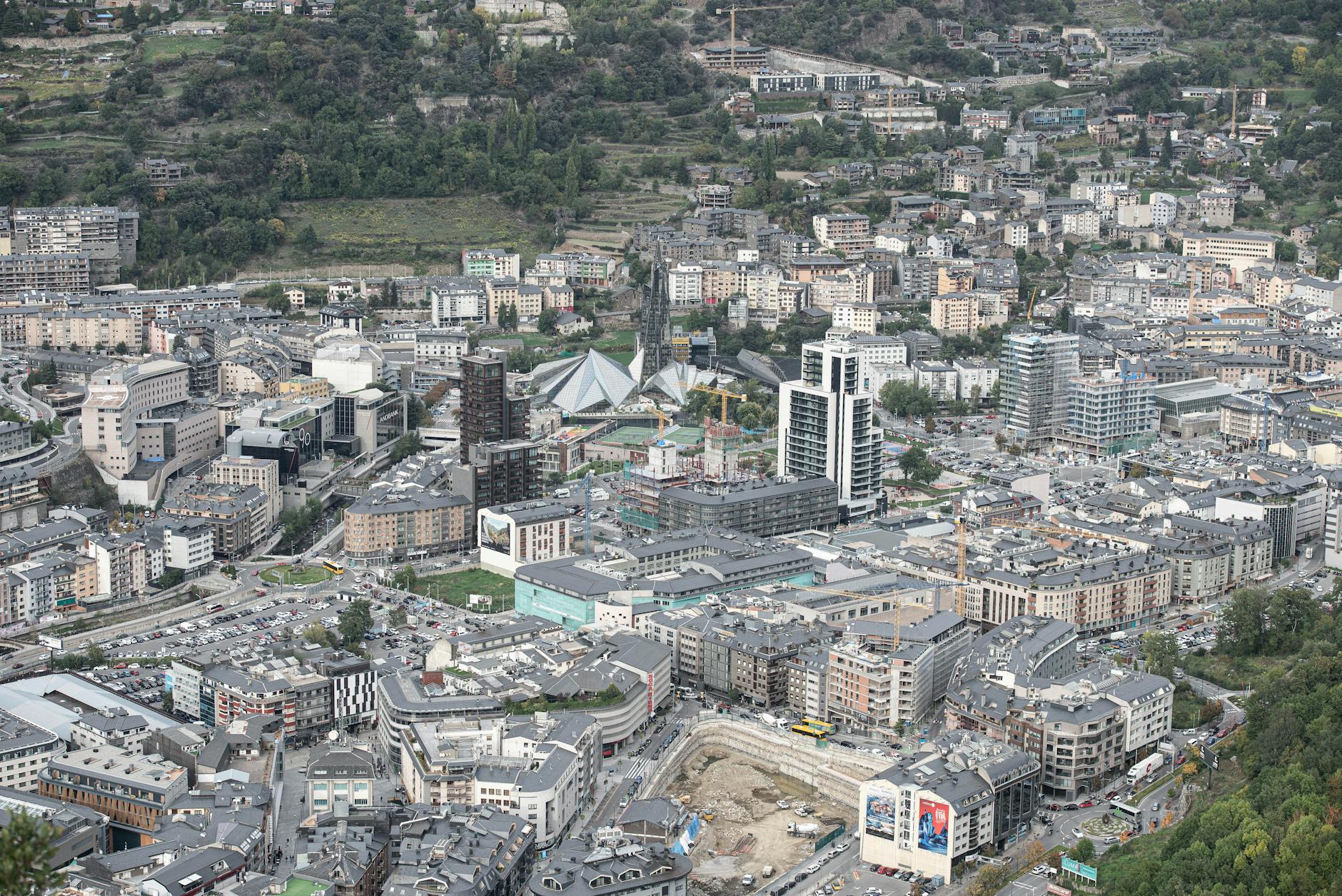 Andorra
EntryOutside Schengen; entry is via Spain or France
AThings to do in Andorra start with one surprise: this tiny Pyrenean state packs Romanesque churches, ski valleys, and Europe’s highest capital into a single road trip.
Andorra works because it stays small. You can wake in Andorra la Vella at 1,023 meters, spend the late morning in the old stone lanes of Ordino, then be in Canillo or Encamp by lunch with the mountains already closing in around you. The country has no coast, no train network, and no interest in pretending otherwise. What it offers instead is altitude, speed, and clarity: valley towns built for real winters, summer trails that start where other countries finish, and a capital that feels more like a high mountain corridor than a grand seat of power.
The history is stranger than the map suggests. Andorra is still a coprincipality, with the President of France and the Bishop of Urgell as co-princes, a constitutional arrangement that sounds invented until you realize it dates back to a medieval power deal signed in 1278. You feel that long memory in places like Pal and Sant Julià de Lòria, where parish identity still matters, and in Romanesque churches that sit in the landscape with zero drama because they were built for people who expected snow, distance, and hard ground.
Mountain Beginnings, c. 3500 BCE-839 CE
Smoke curls inside a cave above the Valira, and outside the wind moves through stone and grass with the same indifference it has today. At Segudet and Camp del Colomer, archaeology has found hearths, pottery, grain pits, bones: small proofs that people did not merely cross these heights, they stayed. That is the first Andorran fact. Stubbornness came before statehood.
Ce que l'on ignore souvent, c'est que these valleys were useful long before they were famous. Bronze Age routes linked the Iberian side to Gaul, and anyone who lived here learned a hard lesson early: a mountain pass is never empty, and control of passage can matter more than wealth. The country's later talent for surviving between stronger neighbors begins here, in a world of shepherds, weather, and watchfulness.
Rome passed nearby and left traces rather than transformation. A few coins, a few route markers, a possible memory of the Andosini in classical writing; enough to suggest contact, not enough to suggest conquest in depth. The empire, so hungry elsewhere, did not fully digest these upper valleys.
Then came the Visigothic centuries, shadowy and thinly documented. The mountains did what mountains do: they protected by discouraging. Poor soil, hard winters, narrow valleys. A courtier would have called this misery. A future microstate would call it luck.
By 839, when the valleys appear clearly in documentary form under the orbit of the Bishop of Urgell, Andorra already had its oldest habit: letting others argue over maps while mountain people kept living their lives. That habit, modest on the surface, becomes the thread that carries us into the medieval drama of bishops, counts, and one of Europe's strangest constitutional inventions.
The emblematic figure of this era is nameless: a shepherd at Segudet, known only by the ash of a hearth and the patience required to survive winter at altitude.
The earliest Andorrans leave no chronicles at all; their biography survives in animal bones, pottery shards, and the outline of fire on cave floors.
Medieval Foundation, 839-1278
Picture a table in Lleida on 8 September 1278: parchment spread flat, seals warming in wax, two men who do not trust one another pretending to settle a dispute like civilized Christians. On one side stands Bishop Pere d'Urtx of Urgell. On the other, Roger Bernard III, Count of Foix, proud, litigious, and not inclined to give way. Between them lies Andorra.
The older background matters. Documentary evidence from 839 ties the valleys to the Bishop of Urgell, but documents do not silence ambition. Through the 12th and 13th centuries, the bishops and the counts of Foix contested rights over these mountain communities because the passes mattered, the dues mattered, and prestige mattered perhaps most of all. Medieval politics, you see, rarely chooses between money and vanity. It prefers both.
Ce que l'on ignore souvent, c'est que Andorra was not born from a heroic uprising or a great royal conquest. It emerged from legal fatigue. The paréage of 1278, imposed after years of pressure and negotiation, created a shared lordship instead of a victor: two sovereigns, two claims, one territory. Such an arrangement sounds unstable. It proved astonishingly durable.
The beauty of the thing lies in its oddness. Most medieval treaties end one story and begin another. This one preserved the quarrel inside the constitution. The future co-principality was built not on harmony but on balance, that exquisitely Pyrenean art of staying upright between stronger forces.
And once the principle of shared rule had been admitted, everything else in Andorran history became possible: local institutions, negotiated freedoms, and the long habit of turning geopolitical vulnerability into a form of elegance. A compromise signed under pressure would become a national identity.
Roger Bernard III of Foix was no dreamy founder; he was a hard aristocrat with a taste for dispute who helped create a country almost by refusing to lose.
The founding logic of Andorra is frankly medieval in the best sense: neither lord won, so both kept the title and the valley kept existing.
Co-Principality and Survival, 1278-1806
A mountain polity of a few thousand souls found itself tied, by inheritance and feudal logic, to some of the grandest names in Europe. The counts of Foix accumulated titles, then Navarre, then France itself; by 1589 Henri de Navarre became Henri IV of France and, with scarcely a theatrical pause, also one of Andorra's co-princes. Imagine the contrast: Paris, conversion, civil war, dynastic calculation on one side; high valleys, livestock dues, and local assemblies on the other. History can be deliciously uneven.
Local life, however, was never just a footnote to royal grandeur. The valleys developed their own representative habits, later embodied in the Consell de la Terra, and the parish structure remained the real skeleton of the country. Ce que l'on ignore souvent, c'est que Andorra survived precisely because its institutions were small enough to feel personal. A decision did not descend from abstraction; it arrived through known valleys, known houses, known names.
The French connection brought protection, but also uncertainty. When dynasties shifted, when wars shook Europe, Andorra was carried along by titles inherited elsewhere. Its French lord might be a king, a Bourbon, a revolutionary state, or, in time, something stranger still. Stability here did not mean stillness. It meant learning to survive every external change without surrendering the local habit of self-management.
Then came the French Revolution, which had little tenderness for feudal leftovers. In 1793, revolutionary France suspended relations with Andorra and stopped collecting the traditional dues owed under the old order. One can almost hear the shrug in the valleys: another mighty regime has decided to reorganize the world. But for Andorra, the question was practical, not ideological. Who now guarantees the old balance?
Napoleon answered in 1806 by restoring the French side of the co-principality. The old machinery, absurd and resilient, began turning again. And so a medieval arrangement, which should by all logic have perished in the age of kings, then in the age of revolution, walked into the modern era as if nothing had happened.
Henri IV never ruled Andorra intimately, yet his accession turned a Pyrenean feudal puzzle into a constitutional bond with the French crown.
During the revolutionary rupture, Andorra did not collapse into melodrama; it simply confronted the unnerving prospect that one half of its two-headed sovereignty had vanished.
Modern Threshold, 1806-1993
Nineteenth-century Andorra was not picturesque from the inside. It was poor, remote, deeply local, and skilled in the arts of adaptation. Roads were limited, opportunities thin, and families often relied on livestock, iron, and the traffic of goods across the frontier. Ce que l'on ignore souvent, c'est that border talent is never merely criminal or commercial; it is a way of reading power. When customs lines harden, mountain people learn where the law ends and necessity begins.
The political system also began to creak. In 1866, the New Reform widened participation in public life and adjusted an old order that had become too narrow for a changing society. This was not a revolution of banners in the Parisian style. It was Andorra's preferred method: negotiate, rebalance, continue.
Yet drama was never far away. In 1934, a flamboyant adventurer, Boris Skossyreff, arrived and briefly declared himself Boris I, King of Andorra. The episode lasted days rather than dynasties, but what an Andorran scene: a self-invented monarch attempting to seize one of Europe's last feudal curiosities through charm, paper, and audacity. Stéphane Bern could hardly ask for more.
The 20th century then pressed harder. Roads improved, trade expanded, winter sports transformed the economy, and places such as Andorra la Vella, Encamp, Canillo, La Massana, Ordino, Arinsal, Pal, Soldeu, El Serrat, Llorts and Escaldes-Engordany entered modern tourist geography without ceasing to be mountain settlements first. Prosperity arrived unevenly, carried by commerce, skiing, duty advantages, and the country's peculiar political status.
The great threshold came in 1993. A written constitution turned inherited custom into a modern parliamentary system while preserving the co-princes. That is the Andorran genius in one sentence: modernize without theatrical self-destruction. The medieval skeleton remained. The organs changed.
Boris Skossyreff, the would-be Boris I, revealed how strange Andorra looked to outsiders: small enough to fantasize about, solid enough to eject the fantasy almost at once.
Andorra once had a self-proclaimed king who lasted only briefly, which is still longer than some European cabinets manage.
A Microstate in Full View, 1993-Present
A constitution signed in 1993 did not erase the scent of older centuries. Walk through Andorra la Vella on a winter evening, with shop lights reflecting off damp pavement and the mountains already dark above the valley, and you feel the double time of the place: modern state, ancient logic. French and Spanish pressure still frame the horizon. The seven parishes still shape belonging.
Ce que l'on ignore souvent, c'est that modern Andorra did not become itself by choosing between France and Spain, or between tradition and commerce. It became itself by mastering proximity to both while remaining something neither neighbor could absorb. Catalan stayed the official language. The co-princes remained. Democracy deepened through institutions that now look modern but still carry the outline of older arrangements.
The economy changed the social fabric. Shopping, banking, skiing, road access, and cross-border labor made the country more cosmopolitan than its size suggests. In one conversation you may hear Catalan, Spanish, French, Portuguese. This is not decorative multiculturalism. It is a mountain state doing business with geography.
And the old moral tension remains, which is healthy. Beneath the glossy storefronts and ski infrastructure lies a tougher story about who benefits from prosperity, how fast development should climb a valley, and how a country built on balance protects itself from becoming merely convenient. Small states can disappear inside their success.
That is why Andorra's present still feels historical rather than merely current. The same question that haunted the paréage still governs the future: how do you remain yourself when larger powers, larger markets, and larger narratives press on every side? The next chapter, as ever here, will be written in negotiation.
Joan-Enric Vives i Sicília, as Bishop of Urgell and co-prince, embodies the oldest continuity in Andorran politics: a medieval office still active inside a 21st-century state.
Modern Andorra kept the co-princes even after adopting a democratic constitution, an institutional choice so improbable that it now feels perfectly Andorran.
Catalan in Andorra does not ask permission. It stands at the counter, orders the coffee, names the mountain, signs the document. Then Spanish slips in, French arrives with a price, Portuguese answers from the kitchen, and nobody behaves as if a miracle has occurred. In Andorra la Vella, language is less a flag than a cutlery drawer: each instrument has its use, and the hand reaches for the right one without ceremony.
This is what border countries learn early. Fluency is not decoration. It is winter equipment. Listen in Escaldes-Engordany at 8 in the morning, when bakery doors open and the first errands begin: vowels sharpen, soften, turn, return. A country can be measured by its verbs.
The official language matters here because it was not preserved in a museum case. It survived in invoices, parish meetings, schoolrooms, gossip, menus, arguments over parking, and the intimate brutality of family life. That is how languages stay alive. Not by being admired, but by being used before breakfast.
Andorran cooking begins with altitude and ends with appetite. You feel it in the spoon. Escudella arrives not as a polite starter but as a declaration that snow exists, that labor exists, that hunger should be answered with marrow, chickpeas, cabbage, pasta, and the enormous moral seriousness of broth. In a dining room in Ordino, the steam carries pork, parsley, and the old mountain belief that a meal should keep you standing through weather.
Then comes trinxat, which is what happens when cabbage and potato stop pretending to be humble. Mashed, fried, browned at the edges with bacon or salt pork, it tastes of thrift that discovered pride. The dish has peasant ancestry and aristocratic self-respect. Rare combination.
Andorra also has the good manners to place ferocity on the table. Formatge de tupí smells like an argument and spreads like a confession. River trout from the Valira appears with its head still attached, as if to remind you that cold water made this flesh. A country is a table set for strangers, yes, but Andorra checks first whether the stranger can handle the cheese.
People in Andorra are not rude. They are exact. The first exchange can feel cool to anyone raised on export-grade friendliness, especially in Sant Julià de Lòria or Encamp, where the day has places to go and no time for theatrical warmth. You greet, you ask clearly, you wait for the answer. That is all. Respect is the opening ritual.
Once the ritual is observed, the atmosphere changes by half a degree, which in the Pyrenees is plenty. A barman remembers what you ordered yesterday. A shopkeeper tells you which bus matters and which one wastes your afternoon. Somebody who looked reserved two minutes earlier starts explaining family land in three languages and with complete seriousness.
Border societies develop a particular radar. They have seen smugglers, skiers, bishops, tax hunters, day-trippers, and men who believe a small country must naturally exist for their convenience. Andorra prefers a different grammar: discretion first, intimacy later. Frankly, it is an excellent system.
Andorran architecture has none of the vanity of capitals built to impress empires. Even in Andorra la Vella, where glass and commerce now press hard against the valley floor, the older structures keep a mountain logic: thick walls, small openings, bell towers that look less decorative than vigilant. The Romanesque churches in Canillo, Pal, and Ordino seem to have grown out of the slope the way certain stubborn herbs grow out of rock.
Take Sant Joan de Caselles in Canillo or Sant Climent de Pal. The proportions are almost severe. Nave, apse, stone, timber. A bell tower like an upright finger. Nothing wastes space, least of all the light, which enters carefully and lands on worn floors, rough plaster, old paint, and the silence that cold climates manufacture so well. You do not admire these buildings from a distance. You enter them and your voice changes.
The houses follow the same ethic. Slate roofs. Wood balconies darkened by seasons. Masonry that understands snow load better than theory ever could. In a country with mountains on every horizon, architecture had to earn its keep. It did.
Religion in Andorra is Roman Catholic, but that description is too administrative for what you feel on the ground. The nation is still arranged in parishes, and the word is not ornamental. Parish means bell, cemetery, registry, feast day, family memory, local government, and the long habit of measuring communal life against a church door. Even the political structure remembers this. Old systems have a way of staining everything they touch.
The churches are small by continental standards. Good. Grandeur can become noise. Here the effect comes from proportion, soot, timber, candle wax, and the chill kept in stone even in summer. In Meritxell, the patron sanctuary carries modern reconstruction and older devotion in the same body; in village churches above La Massana or near El Serrat, faith feels quieter, almost mineral.
Andorran religion also contains the practical cunning of mountain people. You pray, certainly, but you also store grain, mend roofs, and keep records. Heaven may be vast; winter is specific. That mixture gives the place its gravity. The sacred is not abstract here. It smells of wax and damp wool.
Andorra does not produce literature by volume. It produces it by pressure. A state of roughly eighty-five thousand inhabitants cannot rely on quantity, so it relies on density, on the intimate power of Catalan, on the strange privilege of being small enough that politics, weather, migration, and family history still collide at human scale. In such places, a sentence has less room to hide.
The literary atmosphere owes something to the country’s position between larger appetites. France to one side, Spain to the other, and Andorra in the middle refusing to dissolve. That creates writers with sharp ears. They know that a language can be both shelter and instrument. They also know that identity is never a soft subject in a mountain pass.
Read Andorra through its villages and the prose begins to make sense. Ordino has the reserve of a well-edited paragraph. Escaldes-Engordany, with its hot waters and commerce, behaves more like a quick dialogue. The country as a whole reads like marginalia written in a very steady hand beside two louder books.
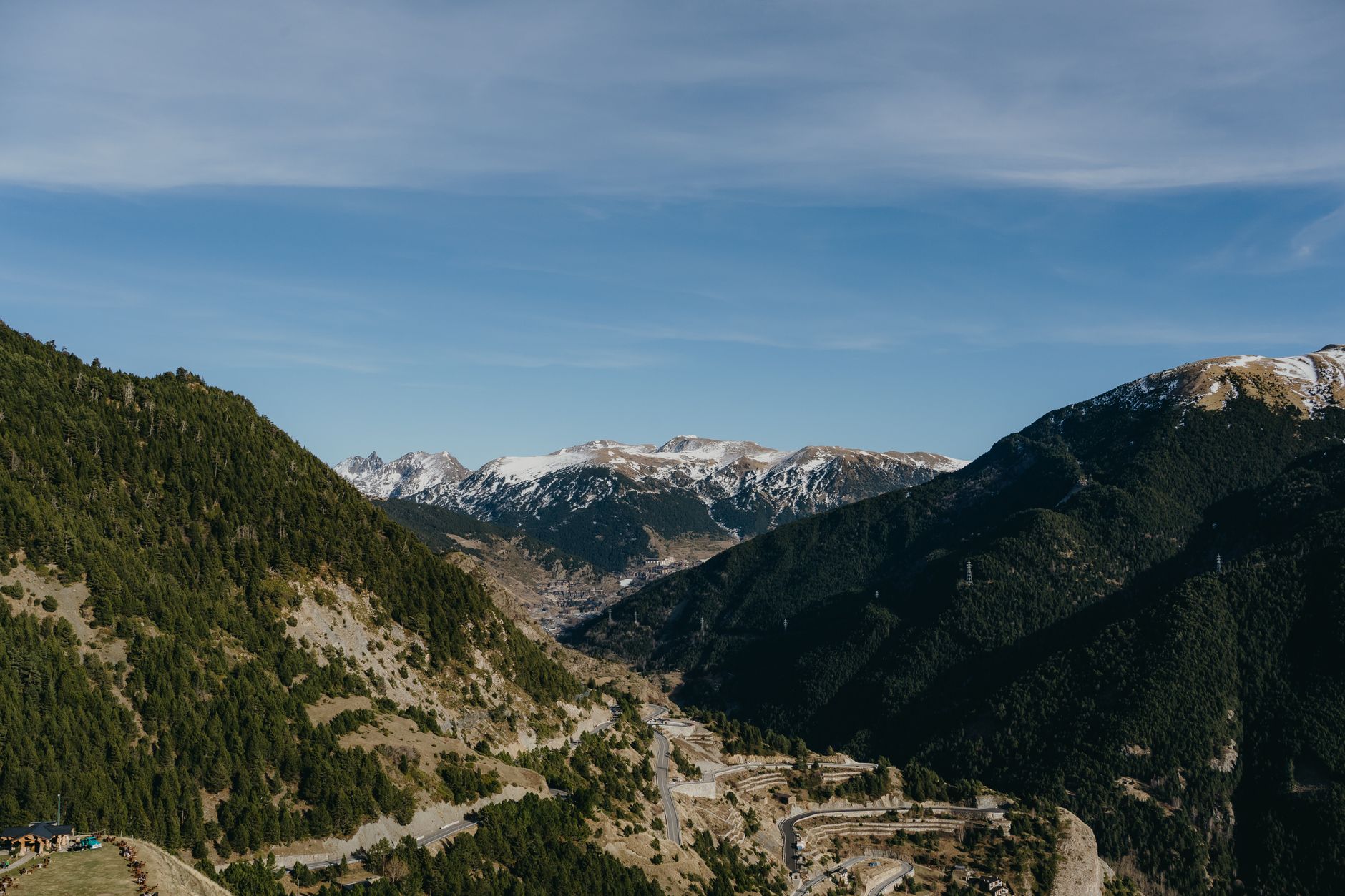
Andorra is all mountains and valley roads, which means hikes, viewpoints, and weather that can change fast with elevation. Places like El Serrat, Arinsal, and Soldeu put the high country within easy reach.
Small churches in Pal, Ordino, and Canillo hold some of the country's strongest atmosphere. They are plain, old, and perfectly scaled to the Pyrenees around them.
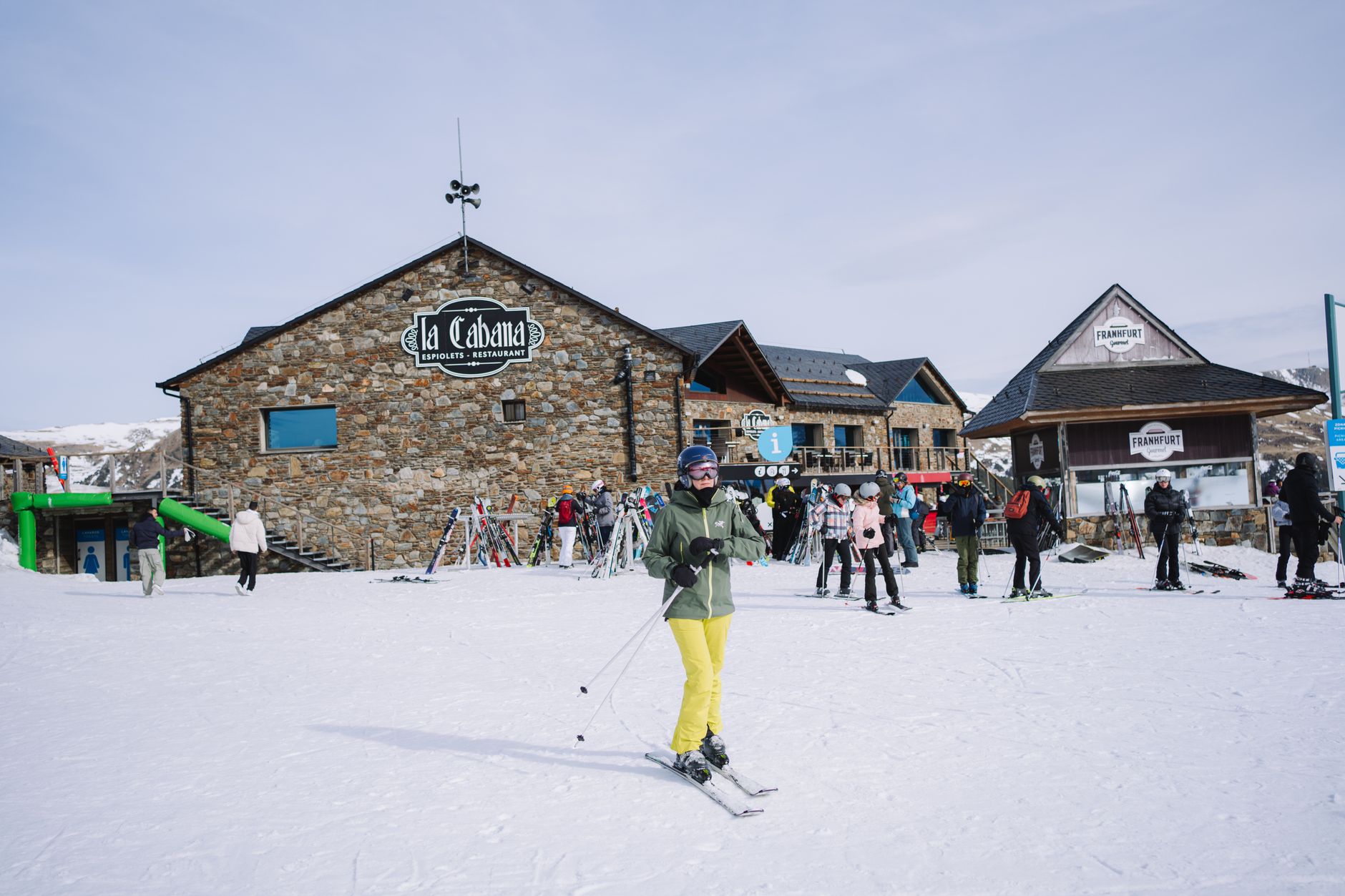
This is one of Europe's most efficient ski breaks because resorts, hotels, and towns sit close together. You can base yourself in La Massana or Soldeu and spend more time on snow than in transit.
Escaldes-Engordany turns thermal water into an actual travel plan, not an afterthought. A cold day outside and a hot pool after dark make perfect sense here.
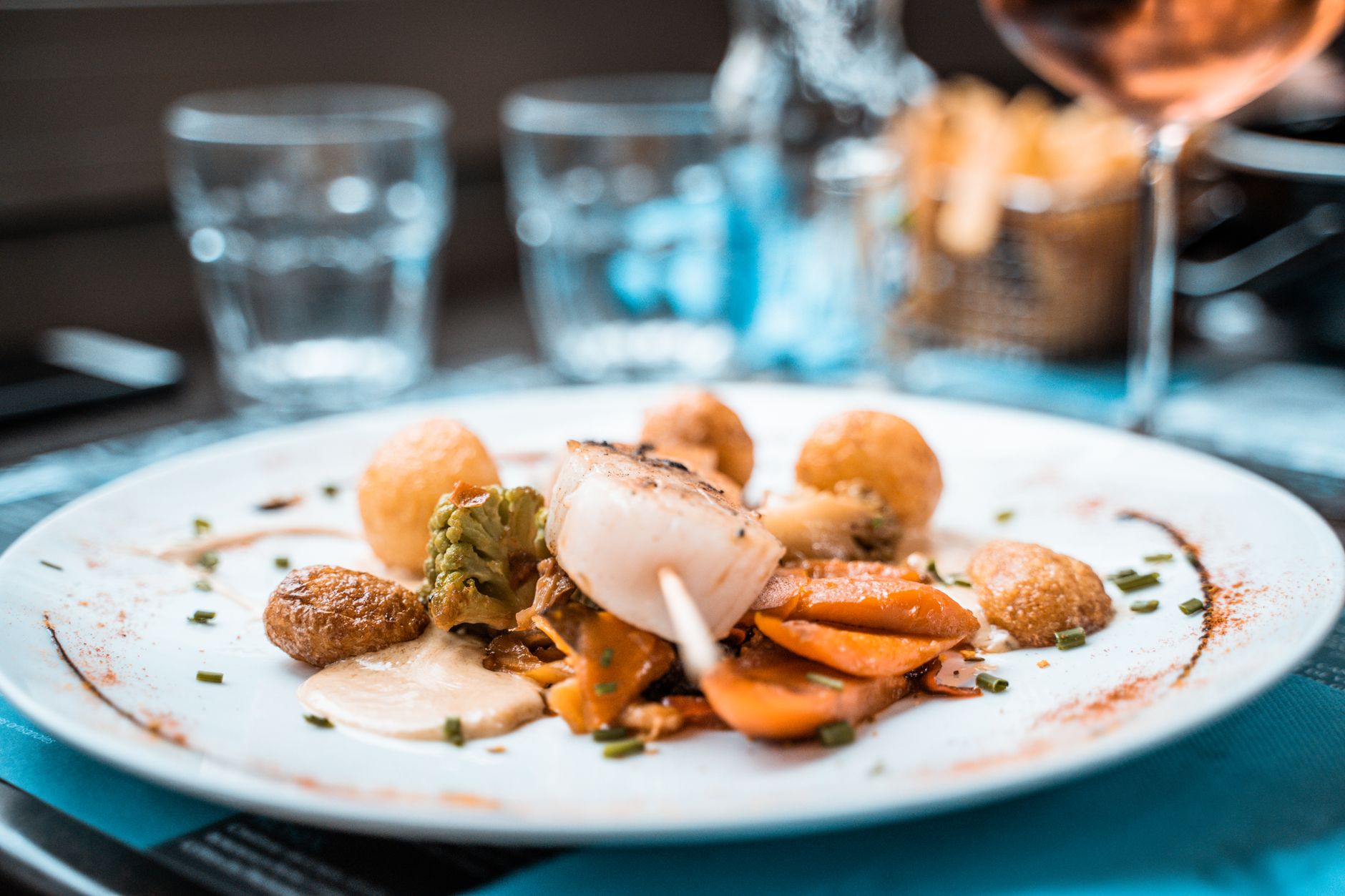
Andorran cooking is built for altitude: trinxat, escudella, wild boar, trout, and dense, practical desserts. It eats like a borderland between Catalonia and the high Pyrenees, because that is exactly what it is.
Andorra is still governed under a co-principality, one of Europe's oddest political arrangements. The result is a country where constitutional history is not museum material but current fact.
12 cities — start with the ones we'd send you to first.
Europe's highest capital at 1,023 metres sits in the Gran Valira valley where a medieval stone parish church shares a street corner with duty-free perfume warehouses and the smell of roasting chestnuts in November.
Hot thermal springs beneath a modern spa district — Caldea's glass tower rises above the confluence of two mountain rivers, and locals have been soaking here since Roman legionaries noted the warm water seeping through t
The quietest of the seven parishes keeps its 17th-century stone manor houses intact, and on a Tuesday morning in October you can walk its single main street without meeting a single tour group.
The parish that climbs toward Arinsal and Pal ski areas still has working farms on its lower slopes, where you can buy formatge de tupí — fermented mountain cheese in earthenware — directly from the producer.
Sitting at the highest inhabited point of the main valley road, Canillo guards the approach to the Grandvalira ski domain and houses the Sanctuary of Meritxell, Andorra's patron saint, rebuilt after a 1972 fire in a desi
A working-class parish that most visitors drive through on the way to France, it holds the National Automobile Museum — 150 vehicles from 1898 onward stored in a building that used to be a tobacco warehouse.
The southernmost parish, first land you hit crossing from Spain, where the weekly market on Sundays still draws Catalan farmers from across the border and the air already smells different — lower, warmer, faintly of pine
A ski village that empties to near-silence in July and fills again in December, with a single long main street of stone and timber buildings where trinxat — cabbage and potato fried in lard — is the only logical lunch af
Linked to Arinsal by gondola but older and quieter, Pal is a medieval hamlet of 12th-century Romanesque architecture preserved not by tourism money but by sheer altitude and the fact that nobody ever had a reason to tear
The central valley is where Andorra stops being an abstract mountain principality and becomes a lived-in capital. Andorra la Vella and Escaldes-Engordany run together in one urban strip of shopping streets, thermal water, government buildings, and apartment blocks pressed between steep slopes; it is practical, a little odd, and more interesting than its tax-haven stereotype suggests.
Ordino is the polished north: old houses, cultural institutions, and a valley that feels slower without becoming sleepy. Push farther to Llorts and El Serrat and the country changes again, turning from heritage stop to serious mountain terrain with better walking, colder nights, and less room for bad planning.
La Massana is the working hinge for the west side, where cable cars, bike traffic, and grocery runs all share the same streets. The mood shifts fast in Arinsal and Pal: one built for slope access, the other still holding the stone-and-bell-tower look people imagine when they say Pyrenean village.
The eastern valleys are built around altitude and movement. Canillo keeps one foot in parish life and one in the visitor economy, while Soldeu leans harder into the resort model; both make sense as bases if you want mountains first and city errands second.
Encamp has more everyday texture than the resort villages and works well if you want transport links without sleeping in the capital. It also sits on the road toward the high eastern passes, so it makes sense for travelers who want museums, trailheads, and border-country scenery in the same trip.
Sant Julià de Lòria is the least alpine-feeling corner of the country and the one most shaped by the Spanish approach road. That gives it a different personality: less postcard stonework, more everyday commerce, and quicker access to Naturland and the southern forests when you want open space without driving into the high north.
A history of treaties, stubborn local rule, and improbable continuity in the Pyrenees
Pastoral communities begin using and inhabiting the Andorran valleys, leaving hearths, pottery, grain pits, and animal bones. The earliest story here is not conquest but endurance at altitude.
Bronze Age movement through the Pyrenees gives the valleys strategic value as passages between Iberia and Gaul. Control of crossing points becomes an old habit long before borders are formalized.
Rome reaches the wider Pyrenean zone and uses local routes, but the upper valleys remain lightly touched. Coins and markers suggest presence, not deep transformation.
A charter linked to Louis the Pious places the valleys under the orbit of the Bishop of Urgell. Andorra enters the written record, not as myth alone but as a recognized territorial reality.
The Bishop of Urgell consolidates legal claims over the valleys, sharpening a question that will define the medieval period: who exactly rules this mountain territory? The answer is not settled.
Bishop Pere d'Urtx and Count Roger Bernard III of Foix agree to share sovereignty over Andorra. The treaty turns a feud into a system and creates the framework of the future co-principality.
The Bishop of Urgell becomes one of the architects of Andorra's constitutional oddity. His achievement was not grandeur but balance, and balance proved stronger than force.
Proud and difficult, the Count of Foix helped create the settlement he had long resisted. His rivalry with Urgell ended by giving Andorra its most durable political formula.
A second agreement clarifies the powers established a decade earlier. What might have remained an uneasy truce hardens into a durable constitutional mechanism.
Andorra creates a representative assembly that gives local elites a formal political voice. Small in scale, it becomes one of the keys to Andorran continuity.
When Henri de Navarre becomes King of France, Andorra's Foix-linked rights pass into the French crown. A Pyrenean mountain polity is now tied to one of Europe's great monarchies without losing its own logic.
The French Revolution disrupts the traditional feudal relationship with Andorra and halts the collection of dues. For the valleys, the crisis is less ideological than constitutional: one half of the old balance has fallen away.
Napoleon re-establishes the French side of the co-principality. A medieval arrangement, shaken but not broken, resumes under modern imperial authority.
Led by Guillem d'Areny-Plandolit, Andorra reforms its political system to broaden representation. Change comes here by adjustment rather than rupture, which is very much the local style.
Boris Skossyreff proclaims himself King of Andorra in one of the most improbable episodes in European microstate history. The adventure burns bright and short, leaving behind legend rather than dynasty.
Andorra adopts a written constitution and becomes a parliamentary democracy while keeping its two co-princes. The country modernizes without severing its medieval roots.
With the constitution in place, Andorra enters modern diplomatic life in a fuller way and consolidates its status as a sovereign European state. The valleys have become visible without ceasing to be themselves.
Martí leads Andorra through a period when small-state discretion must adapt to international financial scrutiny. The old art of survival shifts from feudal balance to regulatory negotiation.
Modern Andorra remains a sovereign microstate defined by parishes, Catalan identity, tourism, commerce, and a constitutional structure rooted in the paréage. Few political systems look stranger on paper; few have proven more resilient.
Mountain Beginnings
The emblematic figure of this era is nameless: a shepherd at Segudet, known only by the ash of a hearth and the patience required to survive winter at altitude.
Smoke curls inside a cave above the Valira, and outside the wind moves through stone and grass with the same indifference it has today. At Segudet and Camp del Colomer, archaeology has found hearths, pottery, grain pits, bones: small proofs that people did not merely cross these heights, they stayed. That is the first Andorran fact. Stubbornness came before statehood.
Ce que l'on ignore souvent, c'est que these valleys were useful long before they were famous. Bronze Age routes linked the Iberian side to Gaul, and anyone who lived here learned a hard lesson early: a mountain pass is never empty, and control of passage can matter more than wealth. The country's later talent for surviving between stronger neighbors begins here, in a world of shepherds, weather, and watchfulness.
Rome passed nearby and left traces rather than transformation. A few coins, a few route markers, a possible memory of the Andosini in classical writing; enough to suggest contact, not enough to suggest conquest in depth. The empire, so hungry elsewhere, did not fully digest these upper valleys.
Then came the Visigothic centuries, shadowy and thinly documented. The mountains did what mountains do: they protected by discouraging. Poor soil, hard winters, narrow valleys. A courtier would have called this misery. A future microstate would call it luck.
By 839, when the valleys appear clearly in documentary form under the orbit of the Bishop of Urgell, Andorra already had its oldest habit: letting others argue over maps while mountain people kept living their lives. That habit, modest on the surface, becomes the thread that carries us into the medieval drama of bishops, counts, and one of Europe's strangest constitutional inventions.
The earliest Andorrans leave no chronicles at all; their biography survives in animal bones, pottery shards, and the outline of fire on cave floors.
Medieval Foundation
Roger Bernard III of Foix was no dreamy founder; he was a hard aristocrat with a taste for dispute who helped create a country almost by refusing to lose.
Picture a table in Lleida on 8 September 1278: parchment spread flat, seals warming in wax, two men who do not trust one another pretending to settle a dispute like civilized Christians. On one side stands Bishop Pere d'Urtx of Urgell. On the other, Roger Bernard III, Count of Foix, proud, litigious, and not inclined to give way. Between them lies Andorra.
The older background matters. Documentary evidence from 839 ties the valleys to the Bishop of Urgell, but documents do not silence ambition. Through the 12th and 13th centuries, the bishops and the counts of Foix contested rights over these mountain communities because the passes mattered, the dues mattered, and prestige mattered perhaps most of all. Medieval politics, you see, rarely chooses between money and vanity. It prefers both.
Ce que l'on ignore souvent, c'est que Andorra was not born from a heroic uprising or a great royal conquest. It emerged from legal fatigue. The paréage of 1278, imposed after years of pressure and negotiation, created a shared lordship instead of a victor: two sovereigns, two claims, one territory. Such an arrangement sounds unstable. It proved astonishingly durable.
The beauty of the thing lies in its oddness. Most medieval treaties end one story and begin another. This one preserved the quarrel inside the constitution. The future co-principality was built not on harmony but on balance, that exquisitely Pyrenean art of staying upright between stronger forces.
And once the principle of shared rule had been admitted, everything else in Andorran history became possible: local institutions, negotiated freedoms, and the long habit of turning geopolitical vulnerability into a form of elegance. A compromise signed under pressure would become a national identity.
The founding logic of Andorra is frankly medieval in the best sense: neither lord won, so both kept the title and the valley kept existing.
Co-Principality and Survival
Henri IV never ruled Andorra intimately, yet his accession turned a Pyrenean feudal puzzle into a constitutional bond with the French crown.
A mountain polity of a few thousand souls found itself tied, by inheritance and feudal logic, to some of the grandest names in Europe. The counts of Foix accumulated titles, then Navarre, then France itself; by 1589 Henri de Navarre became Henri IV of France and, with scarcely a theatrical pause, also one of Andorra's co-princes. Imagine the contrast: Paris, conversion, civil war, dynastic calculation on one side; high valleys, livestock dues, and local assemblies on the other. History can be deliciously uneven.
Local life, however, was never just a footnote to royal grandeur. The valleys developed their own representative habits, later embodied in the Consell de la Terra, and the parish structure remained the real skeleton of the country. Ce que l'on ignore souvent, c'est que Andorra survived precisely because its institutions were small enough to feel personal. A decision did not descend from abstraction; it arrived through known valleys, known houses, known names.
The French connection brought protection, but also uncertainty. When dynasties shifted, when wars shook Europe, Andorra was carried along by titles inherited elsewhere. Its French lord might be a king, a Bourbon, a revolutionary state, or, in time, something stranger still. Stability here did not mean stillness. It meant learning to survive every external change without surrendering the local habit of self-management.
Then came the French Revolution, which had little tenderness for feudal leftovers. In 1793, revolutionary France suspended relations with Andorra and stopped collecting the traditional dues owed under the old order. One can almost hear the shrug in the valleys: another mighty regime has decided to reorganize the world. But for Andorra, the question was practical, not ideological. Who now guarantees the old balance?
Napoleon answered in 1806 by restoring the French side of the co-principality. The old machinery, absurd and resilient, began turning again. And so a medieval arrangement, which should by all logic have perished in the age of kings, then in the age of revolution, walked into the modern era as if nothing had happened.
During the revolutionary rupture, Andorra did not collapse into melodrama; it simply confronted the unnerving prospect that one half of its two-headed sovereignty had vanished.
Modern Threshold
Boris Skossyreff, the would-be Boris I, revealed how strange Andorra looked to outsiders: small enough to fantasize about, solid enough to eject the fantasy almost at once.
Nineteenth-century Andorra was not picturesque from the inside. It was poor, remote, deeply local, and skilled in the arts of adaptation. Roads were limited, opportunities thin, and families often relied on livestock, iron, and the traffic of goods across the frontier. Ce que l'on ignore souvent, c'est that border talent is never merely criminal or commercial; it is a way of reading power. When customs lines harden, mountain people learn where the law ends and necessity begins.
The political system also began to creak. In 1866, the New Reform widened participation in public life and adjusted an old order that had become too narrow for a changing society. This was not a revolution of banners in the Parisian style. It was Andorra's preferred method: negotiate, rebalance, continue.
Yet drama was never far away. In 1934, a flamboyant adventurer, Boris Skossyreff, arrived and briefly declared himself Boris I, King of Andorra. The episode lasted days rather than dynasties, but what an Andorran scene: a self-invented monarch attempting to seize one of Europe's last feudal curiosities through charm, paper, and audacity. Stéphane Bern could hardly ask for more.
The 20th century then pressed harder. Roads improved, trade expanded, winter sports transformed the economy, and places such as Andorra la Vella, Encamp, Canillo, La Massana, Ordino, Arinsal, Pal, Soldeu, El Serrat, Llorts and Escaldes-Engordany entered modern tourist geography without ceasing to be mountain settlements first. Prosperity arrived unevenly, carried by commerce, skiing, duty advantages, and the country's peculiar political status.
The great threshold came in 1993. A written constitution turned inherited custom into a modern parliamentary system while preserving the co-princes. That is the Andorran genius in one sentence: modernize without theatrical self-destruction. The medieval skeleton remained. The organs changed.
Andorra once had a self-proclaimed king who lasted only briefly, which is still longer than some European cabinets manage.
A Microstate in Full View
Joan-Enric Vives i Sicília, as Bishop of Urgell and co-prince, embodies the oldest continuity in Andorran politics: a medieval office still active inside a 21st-century state.
A constitution signed in 1993 did not erase the scent of older centuries. Walk through Andorra la Vella on a winter evening, with shop lights reflecting off damp pavement and the mountains already dark above the valley, and you feel the double time of the place: modern state, ancient logic. French and Spanish pressure still frame the horizon. The seven parishes still shape belonging.
Ce que l'on ignore souvent, c'est that modern Andorra did not become itself by choosing between France and Spain, or between tradition and commerce. It became itself by mastering proximity to both while remaining something neither neighbor could absorb. Catalan stayed the official language. The co-princes remained. Democracy deepened through institutions that now look modern but still carry the outline of older arrangements.
The economy changed the social fabric. Shopping, banking, skiing, road access, and cross-border labor made the country more cosmopolitan than its size suggests. In one conversation you may hear Catalan, Spanish, French, Portuguese. This is not decorative multiculturalism. It is a mountain state doing business with geography.
And the old moral tension remains, which is healthy. Beneath the glossy storefronts and ski infrastructure lies a tougher story about who benefits from prosperity, how fast development should climb a valley, and how a country built on balance protects itself from becoming merely convenient. Small states can disappear inside their success.
That is why Andorra's present still feels historical rather than merely current. The same question that haunted the paréage still governs the future: how do you remain yourself when larger powers, larger markets, and larger narratives press on every side? The next chapter, as ever here, will be written in negotiation.
Modern Andorra kept the co-princes even after adopting a democratic constitution, an institutional choice so improbable that it now feels perfectly Andorran.
Catalan in Andorra does not ask permission. It stands at the counter, orders the coffee, names the mountain, signs the document. Then Spanish slips in, French arrives with a price, Portuguese answers from the kitchen, and nobody behaves as if a miracle has occurred. In Andorra la Vella, language is less a flag than a cutlery drawer: each instrument has its use, and the hand reaches for the right one without ceremony.
This is what border countries learn early. Fluency is not decoration. It is winter equipment. Listen in Escaldes-Engordany at 8 in the morning, when bakery doors open and the first errands begin: vowels sharpen, soften, turn, return. A country can be measured by its verbs.
The official language matters here because it was not preserved in a museum case. It survived in invoices, parish meetings, schoolrooms, gossip, menus, arguments over parking, and the intimate brutality of family life. That is how languages stay alive. Not by being admired, but by being used before breakfast.
Andorran cooking begins with altitude and ends with appetite. You feel it in the spoon. Escudella arrives not as a polite starter but as a declaration that snow exists, that labor exists, that hunger should be answered with marrow, chickpeas, cabbage, pasta, and the enormous moral seriousness of broth. In a dining room in Ordino, the steam carries pork, parsley, and the old mountain belief that a meal should keep you standing through weather.
Then comes trinxat, which is what happens when cabbage and potato stop pretending to be humble. Mashed, fried, browned at the edges with bacon or salt pork, it tastes of thrift that discovered pride. The dish has peasant ancestry and aristocratic self-respect. Rare combination.
Andorra also has the good manners to place ferocity on the table. Formatge de tupí smells like an argument and spreads like a confession. River trout from the Valira appears with its head still attached, as if to remind you that cold water made this flesh. A country is a table set for strangers, yes, but Andorra checks first whether the stranger can handle the cheese.
People in Andorra are not rude. They are exact. The first exchange can feel cool to anyone raised on export-grade friendliness, especially in Sant Julià de Lòria or Encamp, where the day has places to go and no time for theatrical warmth. You greet, you ask clearly, you wait for the answer. That is all. Respect is the opening ritual.
Once the ritual is observed, the atmosphere changes by half a degree, which in the Pyrenees is plenty. A barman remembers what you ordered yesterday. A shopkeeper tells you which bus matters and which one wastes your afternoon. Somebody who looked reserved two minutes earlier starts explaining family land in three languages and with complete seriousness.
Border societies develop a particular radar. They have seen smugglers, skiers, bishops, tax hunters, day-trippers, and men who believe a small country must naturally exist for their convenience. Andorra prefers a different grammar: discretion first, intimacy later. Frankly, it is an excellent system.
Andorran architecture has none of the vanity of capitals built to impress empires. Even in Andorra la Vella, where glass and commerce now press hard against the valley floor, the older structures keep a mountain logic: thick walls, small openings, bell towers that look less decorative than vigilant. The Romanesque churches in Canillo, Pal, and Ordino seem to have grown out of the slope the way certain stubborn herbs grow out of rock.
Take Sant Joan de Caselles in Canillo or Sant Climent de Pal. The proportions are almost severe. Nave, apse, stone, timber. A bell tower like an upright finger. Nothing wastes space, least of all the light, which enters carefully and lands on worn floors, rough plaster, old paint, and the silence that cold climates manufacture so well. You do not admire these buildings from a distance. You enter them and your voice changes.
The houses follow the same ethic. Slate roofs. Wood balconies darkened by seasons. Masonry that understands snow load better than theory ever could. In a country with mountains on every horizon, architecture had to earn its keep. It did.
Religion in Andorra is Roman Catholic, but that description is too administrative for what you feel on the ground. The nation is still arranged in parishes, and the word is not ornamental. Parish means bell, cemetery, registry, feast day, family memory, local government, and the long habit of measuring communal life against a church door. Even the political structure remembers this. Old systems have a way of staining everything they touch.
The churches are small by continental standards. Good. Grandeur can become noise. Here the effect comes from proportion, soot, timber, candle wax, and the chill kept in stone even in summer. In Meritxell, the patron sanctuary carries modern reconstruction and older devotion in the same body; in village churches above La Massana or near El Serrat, faith feels quieter, almost mineral.
Andorran religion also contains the practical cunning of mountain people. You pray, certainly, but you also store grain, mend roofs, and keep records. Heaven may be vast; winter is specific. That mixture gives the place its gravity. The sacred is not abstract here. It smells of wax and damp wool.
Andorra does not produce literature by volume. It produces it by pressure. A state of roughly eighty-five thousand inhabitants cannot rely on quantity, so it relies on density, on the intimate power of Catalan, on the strange privilege of being small enough that politics, weather, migration, and family history still collide at human scale. In such places, a sentence has less room to hide.
The literary atmosphere owes something to the country’s position between larger appetites. France to one side, Spain to the other, and Andorra in the middle refusing to dissolve. That creates writers with sharp ears. They know that a language can be both shelter and instrument. They also know that identity is never a soft subject in a mountain pass.
Read Andorra through its villages and the prose begins to make sense. Ordino has the reserve of a well-edited paragraph. Escaldes-Engordany, with its hot waters and commerce, behaves more like a quick dialogue. The country as a whole reads like marginalia written in a very steady hand beside two louder books.
Pere d'Urtx did not found Andorra with a sword or a trumpet blast. He did something more durable: he signed a compromise that turned a feud into a constitutional system, proving that clerics could be formidable political engineers when their mountain interests were at stake.
Roger Bernard III arrives in the story like a proper medieval magnate: proud, combative, and reluctant to yield. Yet his refusal to be defeated helped produce the strange equilibrium that allowed Andorra to survive between larger powers for centuries.
When Henri de Navarre became Henri IV, Andorra gained a co-prince whose main stage was Europe itself. The contrast is irresistible: a king shaped by wars of religion also held lordship over remote Pyrenean valleys, binding Andorra to France without swallowing it.
Napoleon did not invent Andorra, but he prevented the old arrangement from dissolving into archival oddity. By restoring the French role in 1806, he gave a medieval formula one more life and helped carry it into the modern state.
A nobleman by background and a modernizer by instinct, Guillem d'Areny-Plandolit understood that old systems survive only if they bend. His reform did not demolish Andorra's institutions; it opened them just enough to keep them alive.
Boris Skossyreff swept into Andorra with the sort of confidence usually reserved for opera villains and failed monarchs. For a brief, absurd moment he proclaimed himself king, and the episode remains perfect evidence that Andorra's constitutional oddity could tempt fantasy without surrendering to it.
Antoni Martí belonged to the Andorra that had to negotiate with global scrutiny rather than hide in mountain exceptionalism. His years in office show the modern version of an old national skill: adapting without handing over the keys.
Vives is living proof that Andorra's oldest political thread never snapped. In most countries a bishop as head of state would sound like a historical footnote; in Andorra it remains part of the daily constitutional architecture.
This is the compact first trip: one base, short transfers, and enough range to understand how Andorra shifts from shopping streets to valley roads in minutes. Start in Andorra la Vella, slide into Escaldes-Engordany for the spa-and-café side of the capital area, then head south to Sant Julià de Lòria for a quieter finish near the Spanish frontier.
This route follows the country at its most composed: Romanesque villages, old iron country, and roads that keep narrowing as the peaks take over. Sleep between Ordino and La Massana, then push up through Llorts to El Serrat, where hikes and weather both become more serious.
The east side gives you a fuller mountain arc, from working valley towns to ski stations and high road scenery near the French border. Encamp works as the practical start, Canillo adds heritage and family-friendly walks, and Soldeu gives you the classic high-resort finish without forcing every night into a single base.
Two weeks lets you stay in the small places long enough to notice the rhythm of the country rather than just its postcard angles. Build the route around Arinsal and Pal for mountain access and old-stone village texture, then end in Andorra la Vella for museums, shopping, and a final logistical reset before departure.
Sunday table. Broth first, meats after. Family gathers, spoons work, talk slows.
Lunch in winter. Cabbage, potato, pork, pan. Friends cut wedges and drink red wine.
Bread, knife, brandy, laughter. Small portions. Long memory.
River fish, butter, almonds, lemon. Noon meal near Ordino or La Massana. Head stays on.
Bread rubs against tomato, oil, salt. Every table, every hour. Hands move before words.
Before lunch in Andorra la Vella or Escaldes-Engordany. Glasses clink, olives vanish, appetite wakes.
Tray, flame, garlic, pins. Weekend meal. Patient eaters win.





Andorra is outside both the EU and the Schengen Area, but you enter through Spain or France, so Schengen rules still control the trip. EU citizens can use a passport or national ID card; US, UK, Canadian, and Australian visitors do not need an Andorran visa for short stays, but anyone who needs a Schengen visa should hold a double-entry or multiple-entry visa. As of April 10, 2026, the Schengen Entry/Exit System is fully operational, while ETIAS is still not live as of April 20, 2026.
Andorra uses the euro. The headline tax is IGI at 4.5%, lower than VAT in France or Spain, which is why shopping can feel cheaper, though not magically so. Tourist tax applies from age 16, for up to 7 nights, from €1 to €3 per person per night depending on accommodation class, with IGI added on top.
Andorra has no airport and no rail station of its own, so every trip finishes by road. Barcelona El Prat is the easiest gateway for most travelers, Toulouse-Blagnac is the strongest option from France, and Andorra-La Seu is the closest airport with regular links to Madrid and Palma. Direct coaches from Barcelona and Toulouse do the heavy lifting better than romantic train fantasies.
This is a road country: no domestic trains, no internal flights, just buses, cars, and taxis. The public network is solid for a small mountain state, with lines linking Andorra la Vella, Escaldes-Engordany, Encamp, Soldeu, Arinsal, Ordino, and Sant Julià de Lòria; current single fares start at €1.90 in Zone 1, €3.45 in Zone 2, and €4.80 in Zone 3. Frequencies are best on the main valley routes and thinner in the outer villages, so late-evening plans need checking.
Andorra has a high-mountain Mediterranean climate: short warm summers, long cold winters, and sharp changes with altitude. A valley afternoon can feel mild while higher slopes near Soldeu, Arinsal, or El Serrat still hold snow or strong wind. Pack by elevation, not by calendar title.
Andorra is outside EU roaming rules, so many European mobile plans treat it as a surcharge zone. The practical fix is Andorra Telecom's visitor eSIM: official plans currently start at €4.95 for 1 day with 2 GB, €6.95 for 3 days with 10 GB, and €19.95 for 7 days with 25 GB. Coverage is strong in towns and ski areas, but mountain trails are another matter.
Andorra is generally very safe, and the current US advisory level is Exercise Normal Precautions. The real risk is terrain: winter roads can snarl in northern valleys, weather turns fast above town level, and a simple walk near Canillo or Ordino can become a cold-weather problem if you dress for the café instead of the ridge. For emergencies, dial 112.
Cards work almost everywhere in Andorra la Vella, Escaldes-Engordany, Canillo, and Soldeu, but small cafés, parking machines, and a few mountain businesses still make cash useful. Keep €20 to €50 on you and stop thinking about it.
You cannot take a train into Andorra because there is no rail service inside the country. The practical rail plan is AVE or regional train to Lleida on the Spanish side, or rail to L'Hospitalet-près-l'Andorre or Toulouse on the French side, then coach onward.
Andorra is not covered by standard EU roaming rules. If your carrier charges heavily outside the EU, buy an Andorra Telecom eSIM before arrival rather than discovering the bill after a day of maps and photo uploads.
Ski weekends and school-holiday weeks tighten fast in Soldeu, Arinsal, and around Canillo. If you want slope-side rooms or parking at a fair rate, book earlier than you would for a Spanish or French city break.
Midday set menus are the cleanest way to keep costs under control without eating badly. Dinner is where resort pricing shows its teeth, especially in ski areas.
For point-to-point travel along the main valley, the bus is often cheaper and less irritating than driving. Parking in the capital area adds up, and mountain roads are not where you want to learn local winter habits.
A sunny forecast in Andorra la Vella does not mean the same weather in El Serrat or above Soldeu. Carry one warmer layer than you think you need, plus water and decent shoes, even for walks that look harmless on the map.
Explore Andorra with a personal guide in your pocket
Audio guides for 1,100+ cities across 96 countries. History, stories, and local insight — offline ready.
Most travelers do not need an Andorran visa for a short trip. The complication is transit: because you enter through Spain or France, you must meet Schengen rules, and travelers who need a Schengen visa should hold a multiple-entry or at least double-entry visa so they can get back out.
No, Andorra is not in Schengen. In practice, every trip still runs through Schengen territory, so passport validity, 90/180-day limits, and border systems such as EES matter for many non-EU visitors.
Yes, the euro is the everyday currency. Cards are widely accepted, but carrying some cash is sensible once you leave the main commercial areas or rely on small cafés, huts, taxis, and parking machines.
Often no, or not without extra charges. Andorra sits outside EU roaming rules, so check your carrier before arrival or use a local eSIM if you expect to rely on maps, messaging, or remote work.
A direct coach is the easiest answer for most travelers. Barcelona El Prat has frequent bus links to Andorra, and the road transfer is usually simpler than piecing together train plus bus via Lleida unless you already have rail plans in Spain.
No, there are no trains in Andorra. The country runs on roads, so public transport means buses, with taxis and rental cars filling the gaps.
Yes, if you stay on the main valley corridor and plan around bus timetables. Andorra la Vella, Escaldes-Engordany, Encamp, La Massana, Ordino, Arinsal, Canillo, and Soldeu are all workable without driving, but remote trailheads and late-night returns are harder.
Three days is enough for the capital area and one valley, but seven days makes far more sense. The country is small on a map and slower on the ground, especially once you start mixing hikes, spa time, mountain weather, and cross-valley transfers.
It can be moderate or expensive depending on season. Outside ski peaks, a careful traveler can manage around €70 to €110 a day excluding flights, while winter resort weeks and spa hotels push the daily cost up quickly.
In winter, assume you may need proper cold-weather driving gear. Main roads are usually cleared quickly, but northern valleys and storm days can change conditions fast, so check forecasts and rental-car rules before heading toward Arinsal, El Serrat, or Soldeu.
Last reviewed