Plan and listen to Parliament Of Albania with Audiala.
Audio guide in your pocket, itinerary in your browser. Built for the way you actually visit.
Introduction
Nestled at the heart of Tirana, the Parliament of Albania stands as a vibrant symbol of the country’s dynamic journey from independence through monarchy, communist rule, and into a modern parliamentary democracy. The Parliament not only serves as the legislative seat of the nation but also as an architectural and historical landmark reflecting Albania’s evolving identity since its founding after the declaration of independence in 1912 (Memorie.al; Wikipedia). Its location near Skanderbeg Square and the National History Museum makes it a central point for exploring Tirana’s rich cultural and political tapestry (Evendo; Tirana Triennale).
This guide brings together everything you need to know about visiting the Albanian Parliament: from its fascinating history and architectural highlights, to practical visitor information, guided tours, accessibility, and nearby attractions (Parliament of Albania Official Website).

Early Foundations
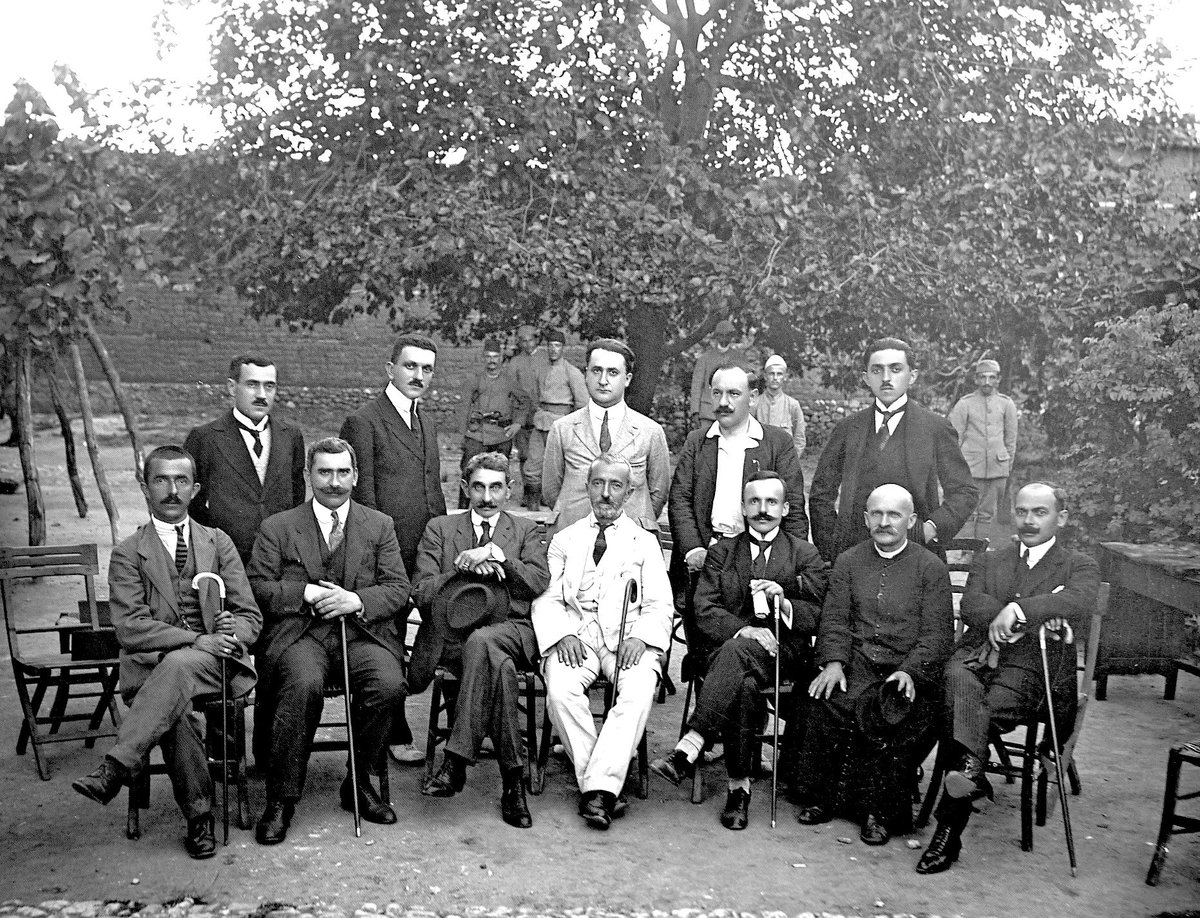
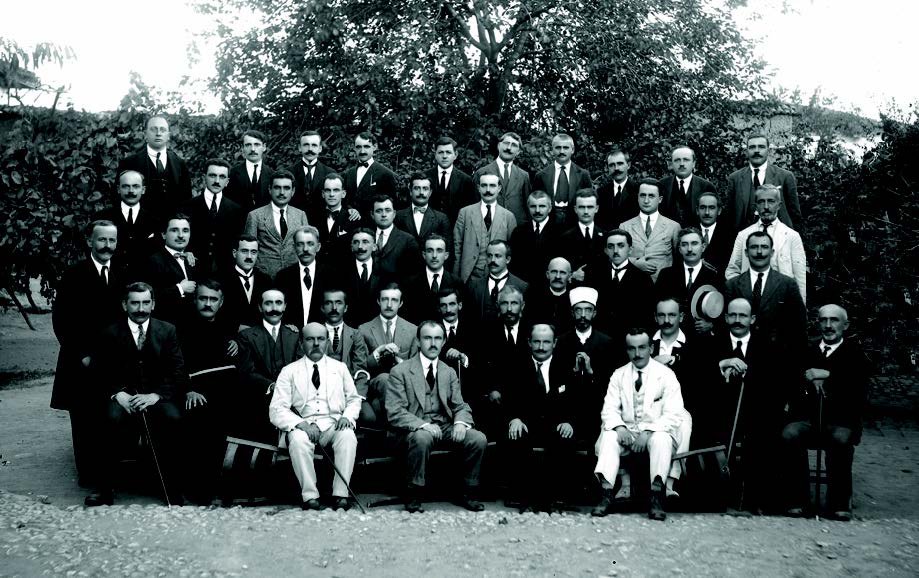
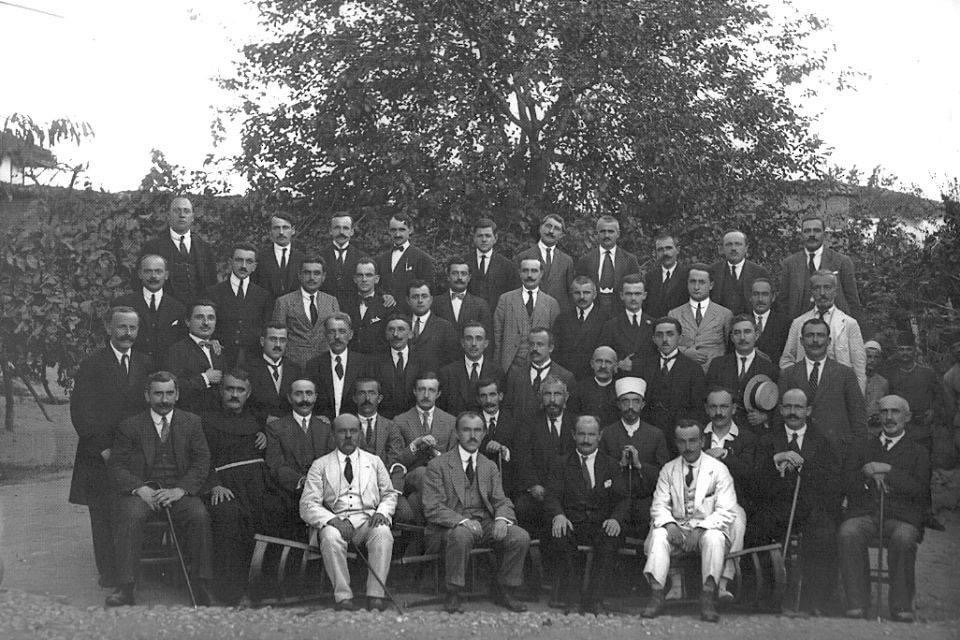
The roots of Albanian parliamentarism trace back to the early 20th century, following Albania’s 1912 independence. The National Council, convened in 1920 by the Congress of Lushnja, marked the first legislative body, holding its initial session at the adapted house of Zija bey Toptan in Tirana (Memorie.al).
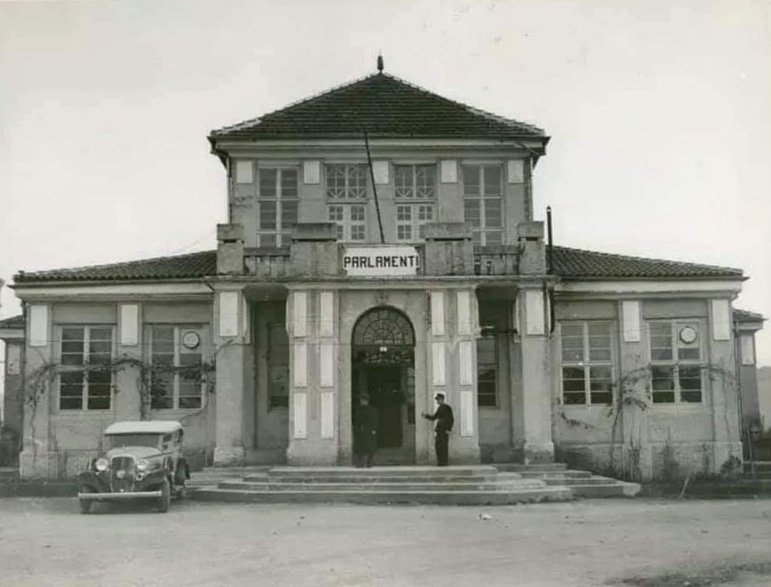
In 1925, the Parliament moved to a purpose-built structure in central Tirana, designed by Austrian architects and completed by the Albanian state. This building, with its modest furnishings and symbolic decor—such as a portrait of Skanderbeg—served as the legislative seat until 1944 (Visit Tirana).
Regime Changes and Legislative Shifts
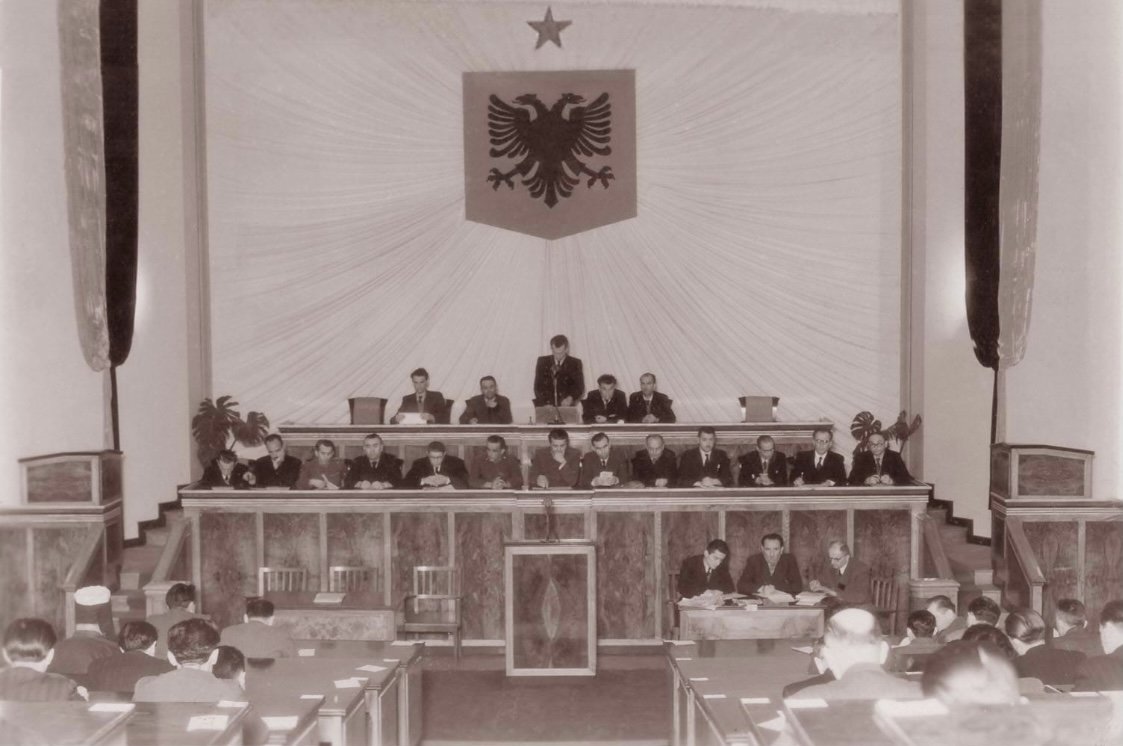
Albania’s legislative body adapted its form and name according to the prevailing political regime. It operated as the Constituent Assembly during transitions to the Republic (1924), Kingdom (1928), and People’s Socialist Republic (1946–47). Under communist rule (1947–1991), it became the People’s Assembly, functioning within a single-party system and acting largely as a rubber-stamp for government policy (Wikipedia).
The Contemporary Parliament
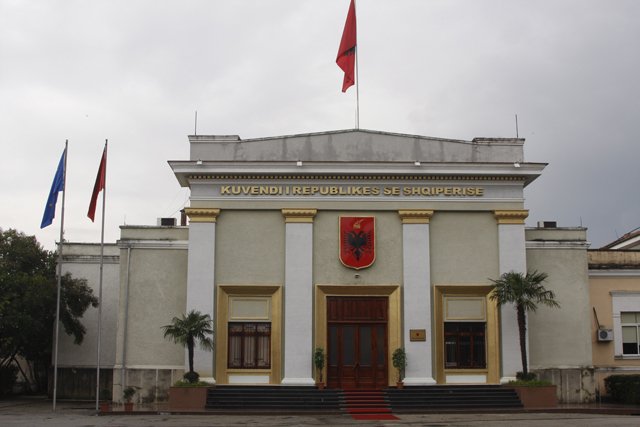
After the fall of communism in 1991 and subsequent reforms, Albania established its current parliamentary system in 1997. Today, the Parliament (Kuvendi i Republikës së Shqipërisë) is unicameral, comprising 140 members elected for four-year terms via party-list proportional representation across 12 constituencies (Tripomatic; Wikipedia).
The Modern Parliament: Structure and Powers
The current Parliament’s powers, defined by the Albanian Constitution, include:
- Amending the Constitution and national borders
- Passing laws and approving government cabinets
- Supervising government operations
- Declaring war and peace
- Adopting the state budget
- Calling referendums and granting amnesty
- Electing the President by a three-fifths majority in a secret ballot
Sessions are presided over by the Speaker, and the President addresses Parliament on key occasions (Wikipedia).
Visiting Information: Hours, Tickets, and Accessibility
- Visiting Hours: Monday to Friday, 9:00 AM–4:00 PM. Check for updates on holidays and special events (Parliament of Albania Official Website).
- Tickets: Entry is free, but guided tours require advance booking via the official website or local tourism offices.
- Accessibility: The building is fully accessible for visitors with disabilities, equipped with ramps and elevators.
- Security: Valid photo ID is required. Bags and cameras are subject to security checks.
- Photography: Permitted in designated areas only.
Architectural Highlights
Historical Layers
The original Parliament building, now the Children’s Puppet Theater, was constructed in the 1920s and adapted as the parliamentary seat in 1928. Its façade once featured royal insignia, later modified during the communist era to reflect changing political identities (Tirana Triennale).
The Current Building
The mid-20th-century Parliament building blends modernist lines with traditional Albanian motifs. Its dignified yet inviting design is complemented by landscaped gardens, reinforcing its status as both a seat of governance and a cultural landmark (Evendo).
The New Parliamentary Complex
Plans are underway for a new parliamentary complex designed to embody transparency, inclusivity, and sustainability. Features include public forums, parks, and an iconic cone-shaped entrance, symbolizing openness and democratic engagement (Miralles Tagliabue; e-architect).
Guided Tours: What to Expect
- Languages: Tours are offered in Albanian and English, with other languages available on request.
- Duration: Typically 45–60 minutes.
- Highlights: Includes the main lobby, plenary chamber, committee rooms (subject to availability), and exhibits on parliamentary history and architecture.
- Booking: Reserve through the official Parliament website or authorized tour agencies.
Nearby Attractions and Travel Tips
Combine your Parliament visit with these nearby cultural sites:
- Skanderbeg Square: Tirana’s central plaza, surrounded by museums and monuments.
- National History Museum: Albania’s largest museum, adjacent to the square.
- Et’hem Bey Mosque: Historic mosque known for its ornate frescoes.
- Blloku District: Trendy area with cafes, restaurants, and nightlife.
Travel Tips:
- Wear comfortable shoes for walking.
- Use public transport or taxis for convenience.
- Morning visits are less crowded.
Frequently Asked Questions (FAQs)
Q: What are the Parliament’s visiting hours?
A: Monday to Friday, 9:00 AM–4:00 PM. Check the official website for updates.
Q: Is entry free?
A: Yes, general entry is free. Guided tours must be booked in advance.
Q: Is the building accessible?
A: Yes, full wheelchair access and accessible facilities are available.
Q: Can I take photographs inside?
A: Yes, in public areas. Restrictions apply in certain chambers.
Q: Are guided tours available every day?
A: Tours are offered on weekdays; advance booking is required.
Q: Is it possible to attend a parliamentary session?
A: Public access to sessions is sometimes available by prior arrangement. Check schedules online.
Listen to the full story in the app
The whole Parliament Of Albania,
told well.
Audio guides for 1,100+ cities across 96 countries. History, stories, and local insight — offline ready.
Verified, and shown.
Researched and written by the Audiala editorial team from historical records, architectural archives, and local expertise.
Researched from Wikidata, Wikipedia & official sources · fact-checked · How we make our guides →