Kabul
Afghanistan Updated Apr 2026
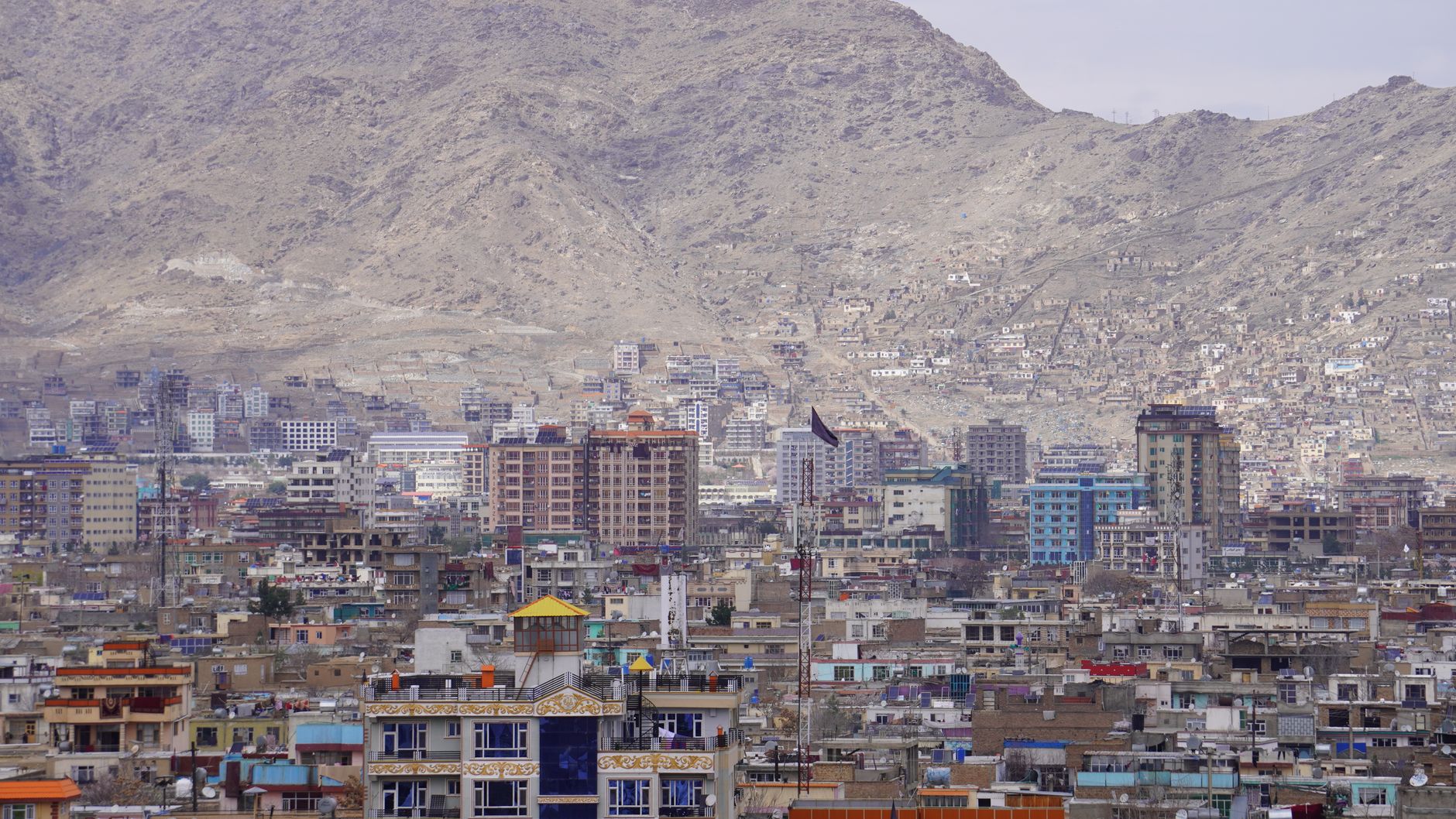
The air in Kabul carries powdered stone, hot bread, and the metallic scent of water from the Kabul River. Afghanistan's capital sits in a bowl of mountains, its walls carrying scars from Timur and the Taliban in equal measure. This is a city where restoration happens alongside remembrance, where 350 Afghanis buys you entry to the restored Gardens of Babur, but women are told they cannot enter.
 Photo: Qasim Mirzaie / Pexels
- Attractions
- 12
- Trip length
- 3-5 days
- Best season
- Spring (April-May)
Why Kabul
Built from cited sources · see the method · How we make our guides →
History here is not buried. It leans against modern shopfronts. You'll find it in the 18th-century Sakhi Shah-e-Mardan Shrine at sunset, where locals gather while the blue dome of the Shah-e Doh Shamshira Mosque catches the last light a few kilometers away. The National Museum guards what survived: Gandharan Buddhas, Islamic manuscripts, artifacts that were hidden, looted, and painstakingly returned.
Daily life pulses through specific, unadorned places. Go to the Ka Feroshi Bird Market for the chatter of imported finches in narrow alleys. Next door, the Sarai Shahzada exchange hums with the sound of 300 traders counting stacks of dollars, acting as the city's informal bank. For a moment of green, Shahr-e Naw Park offers cricket matches and the sharp taste of bolani from a street cart.
Kafka would recognize Darul Aman Palace. Its neo-classical skeleton, built for a king in the 1920s, stands half-rebuilt against the sky, a permanent project. Ten kilometers west, Qargha Lake's reservoir offers a different kind of pause. This city teaches you to read the layers—the Mughal garden terraces, the Soviet-era concrete, the fresh marble of a restoration. It asks you to look closer.
Gardens of Contradiction
The Gardens of Babur cost AFN 350 to enter, but the marble pavilions you see are entirely new. The original structures were obliterated in the civil war; what stands now is a meticulous restoration by the Aga Khan Trust, a green oasis built over scars.A Palace of Ambition
Darul Aman Palace is a 1920s European fantasy in the Afghan hills, built by King Amanullah to drag Kabul into the modern world. Its bullet-pocked facade, still under reconstruction, tells a different story about that ambition.A Museum That Survived
The National Museum of Afghanistan asks for a fee for your mobile phone. It's a small price for seeing Gandharan Buddhas and Bactrian gold that were hidden from the Taliban, a collection pieced back together after being looted and smashed.
Neighborhoods
Where to wander, by quarter — each with its own rhythm.
Kart-e Sakhi
Climb the footpaths of Asamayi Hill here at dusk. The neighborhood gathers around the Sakhi Shah-e-Mardan Shrine, a Shia pilgrimage site holding a cloak attributed to the Prophet. The walk up delivers a panoramic view of the city settling into evening light, a quiet counterpoint to the market din below.Shahr-e Naw
This is the diplomatic district, but its park is purely local. Men play cricket on dusty pitches. Street vendors sell dough, a yogurt drink, from carts. It's one of the few public spaces where, as of now, women are still permitted to walk. The energy is casual, focused on simple leisure.Old City (around Ka Feroshi & Sarai Shahzada)
Follow the sound of fluttering wings. The Bird Market is a narrow alley where hawkers sell everything from local sparrows to Pakistani finches. Adjacent, the Money Exchange Market functions as the country's financial lungs—a crowded room where most Afghans convert currency, a purely utilitarian chaos.Darul Aman Area
The atmosphere is architectural and elegiac. The centerpiece is the colossal, bombed-out palace of King Amanullah, a 1920s European fantasy slowly being pieced back together. The nearby Queen's Palace is in better shape. The area feels like an open-air museum of ambition and conflict.City Center (around Pul-e Kheshti)
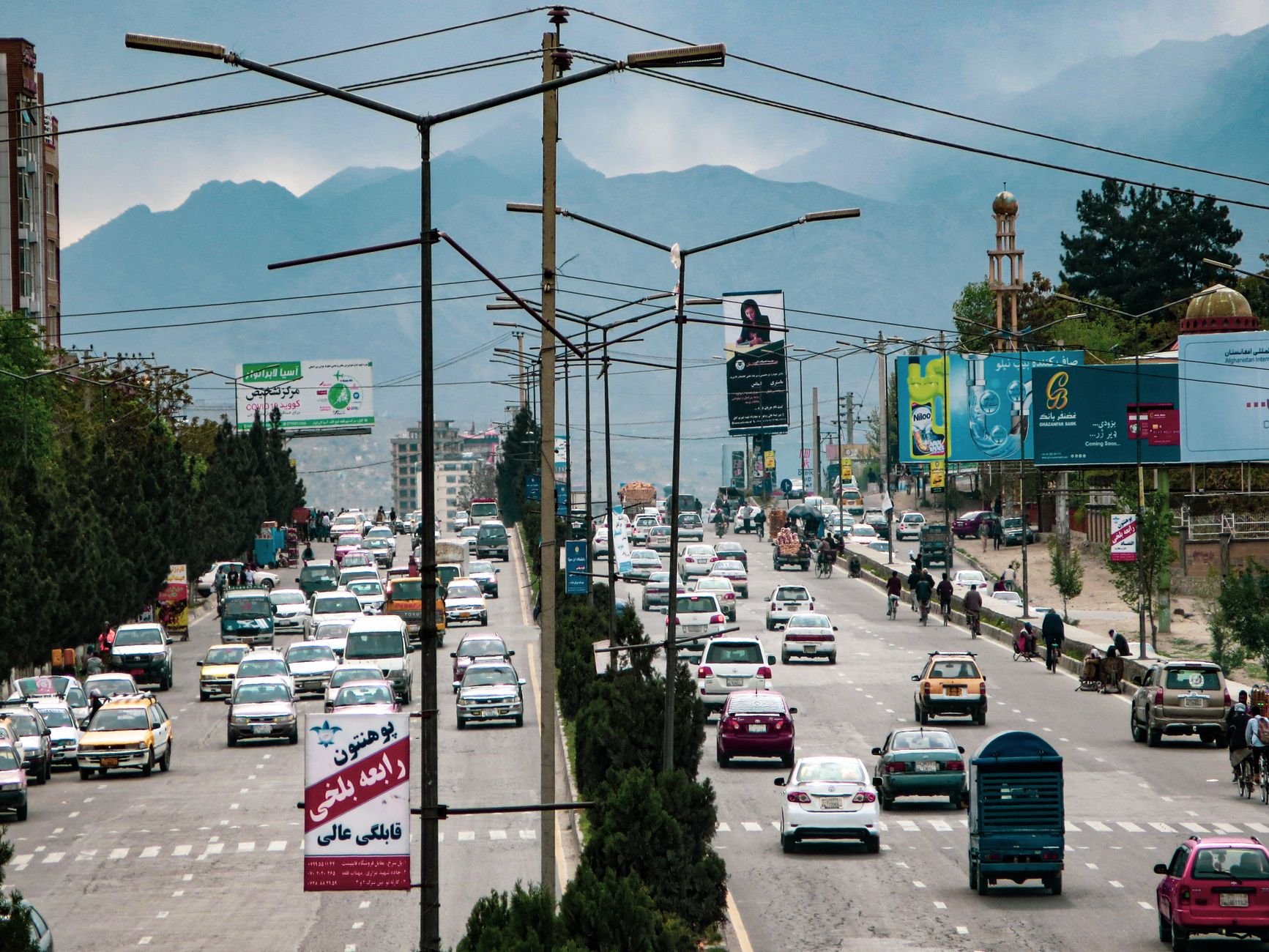
Navigate crowded streets near the blue-roofed Shah-e Doh Shamshira Mosque. The fusion architecture—part local, part foreign—mirrors the district itself. It's a commercial hub, dense with markets and traffic, anchored by one of Kabul's oldest mosques. Expect a constant, jostling flow of people.
Plan your trip
Before you go
- Getting There
- Hamid Karzai International Airport (KBL) is Kabul's sole international gateway. It's located roughly 5 kilometers from the city center. No passenger rail service connects to Kabul; road access is via the A1 highway from Kandahar and the Salang Pass from the north.
- Getting Around
- There is no metro system. Public transport consists of a network of private buses and minibuses, but routes are informal. Most visitors rely on hired cars with drivers or taxis—negotiate the fare before you get in. As of 2026, no tourist transport passes exist.
- Climate & Best Time
- Spring (April-May) and autumn (September-October) are mild, with highs around 20-25°C. Summers are hot and dry, often exceeding 35°C. Winters are cold, with January averages near 0°C and snowfall. Visit in spring or autumn to avoid extremes.
- Language & Currency
- Dari and Pashto are the official languages. English is understood in some business and government circles. The currency is the Afghan Afghani (AFN). For the best exchange rates, head to the Sarai Shahzada market with USD cash—it functions as the country's informal banking hub.
- Safety
- Security conditions are volatile and can change without warning. Current regulations, like the ban on Afghan women entering the Gardens of Babur, are strictly enforced. Travel requires extensive local arrangements, constant situational awareness, and adherence to all local laws and cultural norms.
Who lived here
-
First Mughal Emperor · 1483–1530
Babur
Founded gardens here; buried here
Babur, the conqueror from Fergana, loved Kabul so much he called it his own. He built the terraced Gardens of Babur and chose them as his final resting place. Today, his restored garden is an oasis of calm in a city that has seen turmoil he could scarcely imagine.
-
King of Afghanistan · 1892–1960
Amanullah Khan
Built Darul Aman Palace here
Amanullah Khan dreamed of a modern, European-style capital. He built Darul Aman Palace in the 1920s as a symbol of that new Afghanistan. The palace was shelled and burned in the civil wars. Its ongoing reconstruction is a fight to preserve that dream against the weight of history.
Where to Eat
Where locals actually book dinner — not the tourist menus.
-
Bolani
These thin, pan-fried flatbreads are stuffed with mashed potato, pumpkin, or leeks. Find them from street vendors around Shahr-e Naw Park—crisp, oily, and perfect with a sprinkle of fresh mint or a dollop of yogurt.
-
Dough (Doogh)
A savory yogurt drink mixed with water, salt, and dried mint. It's the classic accompaniment to kabobs and bolani, cutting through the richness with a tangy, refreshing fizz. Drink it ice-cold.
Insider tips
Small things that change how the city treats you.
Exchange at Sarai Shahzada
Exchange your foreign currency at Sarai Shahzada, Kabul's largest money market with over 300 traders. It functions as an informal bank for most Afghans and offers the best rates.Check Entry Policies
Entry policies for women at certain sites like the Gardens of Babur can change. Confirm current rules before visiting, as these are subject to Taliban-era regulations.Visit Shahr-e Naw Park
Go to Shahr-e Naw Park for a glimpse of local life. You can watch cricket, and street vendors sell Afghan bolani and dough, a yoghurt drink.See the Bird Market
Explore Ka Feroshi, the bird market in the old city. It's a narrow alley where birds and live animals are sold, sourced from Afghanistan and neighboring countries.Bring Cash for Museums
The National Museum requires an entry fee and a separate fee to bring your mobile phone inside. Carry enough cash for both.Go to Sakhi at Sunset
Visit the Sakhi Shah-e-Mardan Shrine at sunset. Locals gather to relax, and the walk up offers panoramic views over the city.
Gallery
The city, as it actually looks.




Frequently asked
Is Kabul worth visiting?
For a traveler seeking raw, layered history, yes. Kabul is a city where the 18th century and the 21st century are stacked in the same ruins. You'll find Mughal gardens restored from war, ancient shrines with sunset views, and markets that feel medieval. It demands caution and cultural sensitivity, but rewards with an intensity few cities offer.
How many days should I spend in Kabul?
Three to five days is enough. This gives you time for the core sites—Babur's Gardens, the National Museum, Darul Aman Palace, and the money and bird markets—without rushing. It also allows for the necessary pauses; navigating Kabul takes time and patience.
What is the best time of year to visit Kabul?
Spring, specifically April and May. The weather is milder, and the gardens are in bloom. Winters are harsh, summers can be hot, and autumn brings dust.
Is Kabul safe for tourists?
Safety is a complex and evolving situation. While some sites like Shahr-e Naw Park are currently accessible, the security landscape changes. You must consult up-to-date advisories from your government and engage a trusted local guide. Assume nothing is static.
What is the most surprising thing about Kabul?
Its markets function as its banks. Sarai Shahzada, the money exchange market, is where most Afghans conduct their financial business through hundreds of traders. It sits next to Ka Feroshi, where you can buy birds from Pakistan and Iran. Commerce here is visceral and personal.
Can women visit all the attractions in Kabul?
Not all. As of recent reports, Afghan women are banned from entering the Gardens of Babur, though foreign women may be permitted. Policies are subject to change under current rule. Always verify access for your group before planning a visit.
Pick up where you left off
Saved and recently read places — kept on this device only.
Photo credits (8)
- Qasim Mirzaie — Pexels License (https://www.pexels.com/license/) — Source: https://www.pexels.com/photo/19127799/
- Mahdi Ansel — Pexels License (https://www.pexels.com/license/) — Source: https://www.pexels.com/photo/31736113/
- Qasim Mirzaie — Pexels License (https://www.pexels.com/license/) — Source: https://www.pexels.com/photo/14768022/
- Qasim Mirzaie — Pexels License (https://www.pexels.com/license/) — Source: https://www.pexels.com/photo/18338524/
- Qasim Mirzaie — Pexels License (https://www.pexels.com/license/) — Source: https://www.pexels.com/photo/16870963/
- Mohammad Husaini — Pexels License (https://www.pexels.com/license/) — Source: https://www.pexels.com/photo/12977579/
- Abdul Naser Sahebzada — Pexels License (https://www.pexels.com/license/) — Source: https://www.pexels.com/photo/19734671/
- Faruk Tokluoğlu — Pexels License (https://www.pexels.com/license/) — Source: https://www.pexels.com/photo/31093705/
Photos may have been resized or cropped.