Willkommen an der Chaminade University of Honolulu: Ein Leitfaden für Besucher
Die Chaminade University bietet eine harmonische Mischung aus Geschichte, kulturellem Erbe und landschaftlicher Schönheit. Ob du von akademischer Neugier, spiritueller Reflexion oder kultureller Erkundung angezogen wirst, ein Besuch in Chaminade bietet einen Einblick in eine der bedeutendsten Institutionen Hawaiis und ihr Marianisten-Erbe.
Besucherinformationen: Öffnungszeiten, Eintrittspreise und Barrierefreiheit
Die Chaminade University öffnet ihre Türen für Besucher von Montag bis Freitag, 8:00 bis 17:00 Uhr. Der Eintritt auf den Campus ist frei, und für selbstgeführte Besuche sind keine Tickets erforderlich. Geführte Touren – sehr empfehlenswert für ein tieferes Erlebnis – können über das Besucherdienstbüro gebucht werden.
Parkplätze stehen auf dem Gelände zur Verfügung, mit barrierefreien Plätzen in der Nähe der Hauptgebäude. Der Campus wird auch von den öffentlichen Verkehrsmitteln Honolulus angefahren, was die Anreise erleichtert.Zu den Barrierefreiheitsmerkmalen gehören Rollstuhlgängigkeit zu wichtigen Einrichtungen und Wegen, um ein inklusives Erlebnis für alle Gäste zu gewährleisten.
Campus-Highlights und Fotospots
- Marianist Heritage Center Entdecke Artefakte, Kunstwerke und Dokumente, die die Geschichte der Gesellschaft Mariens und die Gründungsmission der Universität dokumentieren.
- Hauptcampus an der Waialae Avenue 3140 Genieße den Panoramablick auf Waikiki und den Pazifischen Ozean – ideal für Fotografie.
- Hawaii Loa Campus (Kaneohe) 1976 gegründet, bietet diese Erweiterung üppige Landschaften mit Blick auf die Kaneohe Bay und die Berge, wo oft kulturelle Veranstaltungen und Aufführungen stattfinden.
- Mystical Rose Oratory Eine markante Kapelle mit Buntglasfenstern und Blick auf das Tal, die die katholischen Wurzeln der Universität widerspiegelt.
- Sullivan Family Library Bietet nicht nur akademische Ressourcen, sondern auch architektonische Besonderheiten und malerische Lernbereiche.
Historische und kulturelle Bedeutung
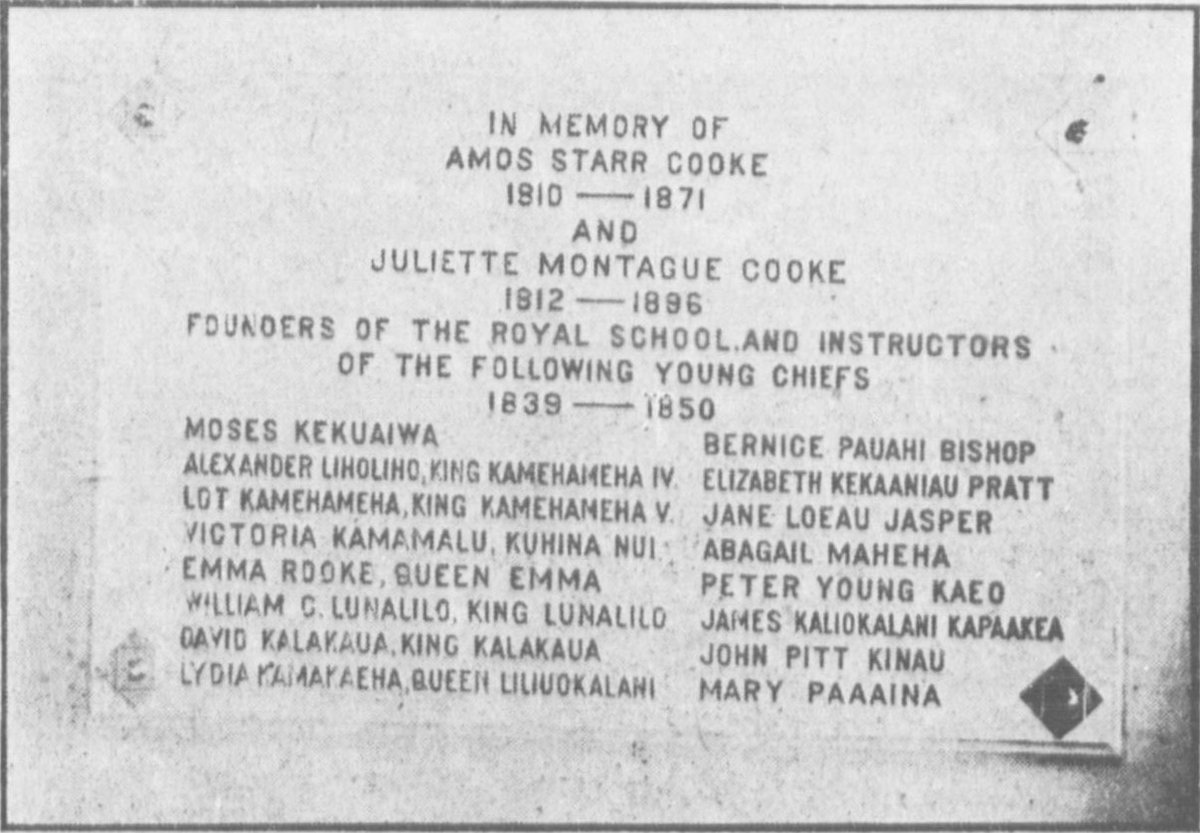
Die von Marianisten-Priestern gegründete Chaminade University ehrt Pater William Joseph Chaminade, den Gründer der Gesellschaft Mariens. Die Universität entwickelte sich von einem Junior College zu einer vierjährigen Institution und erlangte 1977 den Universitätsstatus. Chaminade zeichnet sich durch sein Engagement aus, Studenten aus Hawaii und den Pazifikinseln zu fördern und lokale kulturelle Werte in seine akademischen Programme zu integrieren.
Die Sportteams, bekannt als die Silverswords, stehen für Widerstandsfähigkeit und Anpassungsfähigkeit, und das Maskottchen des Campus – das Marianisten- und japanische Einflüsse vereint – unterstreicht den multikulturellen Charakter Hawaiis.
Attraktionen in der Nähe von Honolulu
Die zentrale Lage von Chaminade bietet Besuchern einen einfachen Zugang zu einer Vielzahl von Honolulu-Attraktionen:
- Diamond Head State Monument Ein ikonischer Vulkankrater mit Wanderwegen und Panoramablick über die Stadt.
- Waikiki Beach Weltberühmt für seine Wellen und goldenen Strände.
- Kapiolani Park Ideal für Picknicks und Outdoor-Aktivitäten.
- Bishop Museum Ein führendes Zentrum für hawaiische Geschichte und Wissenschaft.
Diese Orte ergänzen deinen Besuch in Chaminade, indem sie eine breitere Perspektive auf die natürliche Schönheit und Geschichte Honolulus bieten.
Häufig gestellte Fragen (FAQ)
F: Sind geführte Touren an der Chaminade University verfügbar? A: Ja, geführte Touren können über die Besucherdienste arrangiert werden.
F: Fallen Eintrittsgebühren an? A: Nein, Campusbesuche sind kostenlos.
F: Was sind die Besuchszeiten des Campus? A: Montag bis Freitag, 8:00 bis 17:00 Uhr.
F: Sind Parkplätze verfügbar? A: Ja, einschließlich barrierefreier Parkplätze.
F: Ist der Campus für Besucher mit Behinderungen zugänglich? A: Ja, es gibt rollstuhlgerechte Einrichtungen.
F: Können Besucher an Campusveranstaltungen teilnehmen? A: Viele Veranstaltungen, darunter Festivals und Sportturniere, sind öffentlich zugänglich.
Architektonischer Charme und Campus-Einrichtungen
Der Campus von Chaminade zeichnet sich durch spanische Mission- und mediterrane Architekturstile aus, mit weißen Stuckfassaden, Ziegeldächern und offenen Höfen. Das Layout lädt zur Erkundung ein, mit einheimischen hawaiianischen Gärten und fußgängerfreundlichen Wegen.
Wichtige Einrichtungen:
- Sullivan Family Library Umfangreiche Sammlungen und Panoramalernbereiche.
- Mystical Rose Oratory Ikonische Kapelle für Reflexion und Gottesdienste.
- Black Box Theater und Mamiya Theatre Veranstaltungsorte für Aufführungen und Vorträge.
- Carlson Fitness Center Ausgewählte Fitnesskurse und Veranstaltungen können für Besucher offen sein.
Gastronomieangebote:
- Silversword Café Gesunde Mahlzeiten für Besucher erhältlich.
- POD Café (Henry Hall) Schnelle Snacks und Erfrischungen.
Sonderveranstaltungen und Führungen
Chaminade veranstaltet regelmäßig Open Houses, Kulturfestivals und akademische Symposien, von denen viele öffentlich zugänglich sind. Von Studenten geführte Touren bieten tiefgreifende Einblicke in das Erbe, die Architektur und das akademische Leben der Universität. Buche Touren im Voraus über die Campus-Besuchsseite.
Barrierefreiheit und Besucherservices
Der Campus ist barrierefrei gestaltet und verfügt über Rampen, Aufzüge und ausgewiesene Parkplätze. Besucherinformationen, Broschüren und Karten sind am Besucherzentrum erhältlich, und die Mitarbeiter stehen dir gerne für Fragen zur Verfügung.
Besuch des Diamond Head State Monument: Ein vollständiger Leitfaden
Überblick
Das Diamond Head State Monument (Leʻahi) ist ein geologischer und kultureller Schatz, der Wanderwege mit spektakulärem Blick auf die Stadt und das Meer bietet. Vor 300.000 Jahren entstanden, diente es als militärischer Aussichtspunkt und bleibt eine heilige Stätte der Ureinwohner Hawaiis.
Standort & Zugang: Nur 3 Meilen von der Innenstadt von Honolulu entfernt, leicht mit dem Auto, Fahrrad oder Bus zu erreichen.
Öffnungszeiten: Täglich von 6:00 bis 18:00 Uhr geöffnet (letzter Einlass 16:30 Uhr).
Eintritt: 5 $ pro Fahrzeug oder 1 $ pro Fußgänger/Radfahrer. Eine Vorbuchung über die Hawaii State Parks Website wird empfohlen.
Wanderweg: Ein mittelschwerer 1,3 km langer Wanderweg führt zum Gipfel und bietet Panoramablicke – besonders atemberaubend bei Sonnenaufgang oder Sonnenuntergang.
Einrichtungen: Toiletten, Trinkbrunnen und ein kleiner Souvenirladen sind am Eingang verfügbar. Im Park gibt es keine gastronomischen Einrichtungen.
Tipps: Komm früh, um Menschenmassen zu vermeiden, bring Wasser und Sonnenschutz mit und trag feste Schuhe. Öffentliche Verkehrsmittel (TheBus Linien 23 und 2) bedienen den Ort.
In der Nähe: Kapiolani Park, Honolulu Zoo und Waikiki Beach sind alle in der Nähe.
Iolani Palace: Öffnungszeiten und Ticketinformationen
Der Iolani Palace im Zentrum von Honolulu ist der einzige königliche Palast in den Vereinigten Staaten und bietet einen Einblick in die Monarchie und das kulturelle Erbe Hawaiis.
Öffnungszeiten: Dienstag–Samstag, 9:00–16:00 Uhr (letzter Einlass 15:30 Uhr).
Tickets: Erwachsene: 20 $, Senioren: 18 $, Studenten: 15 $, Kinder (5–17): 10 $, Kinder unter 5: KOSTENLOS. Kauf online oder am Eingang. Geführte Touren (45 Minuten) sind inklusive.
Historische Bedeutung: 1882 erbaut, war der Palast bis 1893 Residenz der königlichen Familie. Der Palast zeigt die einzigartige amerikanische-florentinische Architektur und beherbergt königliche Artefakte.
Barrierefreiheit: Rollstuhlgängigkeit und andere Vorkehrungen sind verfügbar.
Fotografie: Fotografieren ist in ausgewiesenen Bereichen erlaubt (kein Blitz/Stative im Innenbereich).
In der Nähe: Hawaii State Capitol, Kawaiahao Church, Mission Houses Museum und Aloha Tower Marketplace.
Veranstaltungen: Der Palast veranstaltet das ganze Jahr über Aufführungen und Bildungsprogramme. Details findest du auf der offiziellen Website des Iolani Palace.
Reisetipps und Empfehlungen
- Plane Besuche am Morgen für kühlere Temperaturen und optimale Lichtverhältnisse.
- Bring Sonnenschutz und Wasser mit – unerlässlich für Erkundungen im Freien.
- Nutze öffentliche Verkehrsmittel, wo immer möglich, aufgrund begrenzter Parkmöglichkeiten an beliebten Orten.
- Prüfe Veranstaltungskalender für spezielle Programme oder Festivals während deines Besuchs.
- Lade die Audiala App herunter für interaktive Touren und aktuelle Besucherinformationen.
Schriftum
- Visiting Chaminade University of Honolulu: Hours, Tickets, History, and Cultural Significance, 2025, Chaminade University Visitor Guide (https://www.chaminade.edu/visit/)
- Campus Architecture, Setting, and Facilities: A Visitor’s Guide to Chaminade University of Honolulu, 2025, Chaminade University Facilities Overview (https://chaminade.edu/admissions/visit-chaminade/)
- Discovering the Iolani Palace: Visiting Hours, Tickets, and Visitor Guide to Honolulu’s Historic Monument, 2025, Iolani Palace Official Site (https://www.iolanipalace.org)
- Visiting Diamond Head State Monument: A Complete Guide to History, Hours, and Tips, 2025, Hawaii State Parks (https://dlnr.hawaii.gov/dsp/parks/oahu/diamond-head-state-monument/)
Audiala2025## Campus Architecture, Setting, and Facilities: A Visitor’s Guide to Chaminade University of Honolulu
Nestled in the picturesque Kaimuki neighborhood of Honolulu, Chaminade University of Honolulu offers visitors a unique blend of stunning architecture, lush natural surroundings, and rich cultural heritage. Whether you're planning a visit to explore the campus's Spanish Mission-style buildings, attend a special event, or simply enjoy the panoramic views of Oahu, this guide provides essential information including visiting hours, ticketing, accessibility, and tips to make the most of your visit.
Visiting Hours and Admission
Chaminade University campus is open to visitors daily from 7:00 AM to 10:00 PM. Public access to most outdoor areas and common spaces is free of charge. However, certain specialized facilities, such as the Sullivan Family Library and the Black Box Theater, may have restricted hours or require advance reservations for tours or events. Visitors interested in guided campus tours or attending special programs are encouraged to check the university’s official visit page for the latest schedules and ticket information.
Location and Getting There
Located on a serene 65-acre hillside site in Kaimuki, Honolulu, the campus is easily accessible by car, bike, or foot. Free parking is available on-site for visitors, with additional public transportation options connecting to downtown Honolulu and Waikiki Beach. The campus’s elevated position offers breathtaking views of Diamond Head, the Pacific Ocean, and surrounding landmarks, making it a popular stop for tourists exploring Oahu’s historical and cultural sites.
Architectural Style and Campus Design
Chaminade University’s distinctive Spanish Mission and Mediterranean architectural style sets it apart among Hawaiian institutions. Visitors will appreciate the white stucco exteriors and red-tiled roofs, which blend harmoniously with the tropical landscape. The campus layout encourages pedestrian exploration, featuring open lawns, native Hawaiian gardens, and inviting gathering spaces perfect for photography and relaxation.
Must-See Facilities and Attractions
- Sullivan Family Library Open to visitors during library hours, this Mediterranean-style building houses extensive print and digital collections, as well as study spaces with panoramic views. It is a great spot for students and visitors interested in academic resources or quiet reflection.
- Mystical Rose Oratory This iconic chapel built in the 1960s features beautiful stained glass and serene views overlooking Palolo Valley, providing a peaceful retreat and insight into the university’s Catholic heritage.
- Black Box Theater and Mamiya Theatre Check the event calendar for performances, lectures, and community gatherings open to the public.
- Carlson Fitness Center While primarily for students, some fitness classes and recreational events are occasionally open to visitors.
Residential Life and Dining Options
Visitors interested in campus life can explore the residential halls such as Hale Lokelani and Kieffer Hall, which offer scenic views and community spaces. Dining options include the Silversword Café, serving a variety of healthy meals, and the POD Café in Henry Hall for quick bites. Both venues welcome visitors during operating hours.
Special Events and Guided Tours
Chaminade regularly hosts open houses, cultural events, and academic symposia that are open to the public. Guided campus tours, led by knowledgeable student ambassadors, provide in-depth insights into the university’s history, architecture, and academic programs. Visitors are encouraged to book tours in advance via the campus visit page.
Accessibility and Visitor Services
The campus is fully accessible, with ramps, elevators, and designated parking spaces ensuring ease of movement for visitors with disabilities. Informational brochures and maps are available at the visitor center, and staff are happy to assist with any inquiries.
Nearby Attractions and Travel Tips
Chaminade’s proximity to Waikiki Beach, the Honolulu Zoo, and historic sites like Diamond Head makes it an ideal addition to your Oahu itinerary. Plan your visit during the cooler morning hours to enjoy comfortable weather and optimal photographic lighting. Don’t forget to bring sun protection and water.
Frequently Asked Questions (FAQ)
Q: Is there an admission fee to visit Chaminade University? A: No, general campus access is free. Certain events or tours may require a fee or RSVP.
Q: Are guided tours available year-round? A: Yes, guided tours are offered regularly but require advance booking.
Q: What are the best times to visit for photography? A: Early mornings and late afternoons provide the best natural lighting and fewer crowds.
Q: Is the campus wheelchair accessible? A: Yes, the campus has comprehensive accessibility features.
Q: Can visitors attend university events? A: Many events are open to the public; check the official calendar online.
Plan Your Visit Today!
Experience the rich architecture, vibrant campus life, and stunning natural setting of Chaminade University of Honolulu. For the latest updates on visiting hours, events, and guided tours, visit the official Chaminade University website and follow their social media channels. Don’t forget to download the Audiala mobile app for an enhanced, interactive campus tour experience and access to exclusive content.
Explore more about Honolulu’s historical landmarks and cultural sites in our related articles section to make your trip unforgettable!
Discovering the Iolani Palace: Visiting Hours, Tickets, and Visitor Guide to Honolulu’s Historic Monument
Iolani Palace, located in the heart of Honolulu, Hawaii, is a must-visit historical monument renowned as the only royal palace on U.S. soil. Visitors can explore its rich history, stunning architecture, and cultural significance while enjoying well-curated tours and exhibits.
Visiting Hours
The palace is open to visitors Tuesday through Saturday from 9:00 AM to 4:00 PM, with the last admission at 3:30 PM. It is closed on Sundays, Mondays, and major holidays such as Thanksgiving and Christmas. Planning your visit during these hours ensures ample time to explore the palace grounds and interior.
Ticket Information
Tickets for Iolani Palace can be purchased online or at the entrance. Prices are as follows:
- Adults: $20
- Seniors (65+): $18
- Students (with valid ID): $15
- Children (5-17): $10
- Children under 5: Free
Guided tours are included with admission and typically last about 45 minutes, offering in-depth insights into Hawaii’s last monarchy.
Historical and Cultural Significance
Built in 1882, Iolani Palace served as the official residence of the Hawaiian monarchs until the overthrow of the kingdom in 1893. The palace showcases unique American Florentine architecture and houses priceless artifacts, royal heirlooms, and exhibits detailing Hawaii’s royal history.
Visitors can learn about King Kalakaua and Queen Liliuokalani, the last reigning monarchs, as well as the political and social changes that shaped Hawaii.
Travel Tips and Accessibility
- Getting There Iolani Palace is centrally located in downtown Honolulu and easily accessible via public transit, taxi, or rideshare.
- Parking Limited street parking is available nearby; visitors are encouraged to use public transportation.
- Accessibility The palace offers wheelchair access and accommodations for visitors with disabilities.
- Photography Photography is allowed in designated areas; however, flash and tripods are prohibited inside the palace.
Nearby Attractions
While visiting Iolani Palace, you can also explore several nearby Honolulu historical sites, including:
- Hawaii State Capitol
- Kawaiahao Church
- Mission Houses Museum
- Aloha Tower Marketplace
These sites offer a broader understanding of Hawaii's history and culture within walking distance.
Special Events and Programs
Iolani Palace hosts special events throughout the year, such as cultural performances, holiday celebrations, and educational workshops. Check the official Iolani Palace website for the latest updates and event schedules.
Frequently Asked Questions (FAQs)
What are Iolani Palace's opening hours?
Iolani Palace is open Tuesday through Saturday from 9:00 AM to 4:00 PM.
How much do tickets cost?
Adult tickets are $20, with discounted rates for seniors, students, and children.
Are guided tours available?
Yes, guided tours are included with admission and provide detailed historical context.
Is Iolani Palace wheelchair accessible?
Yes, the palace provides accessibility accommodations for visitors with disabilities.
Can I take photos inside the palace?
Photography is permitted in designated areas without flash or tripods.
Plan Your Visit Today!
Experience the rich history and cultural heritage of Hawaii at Iolani Palace. For a seamless visit, purchase your tickets online and check for upcoming special events. Don't forget to explore other Honolulu historical sites nearby to enrich your trip.
For more travel tips and guides on Hawaii’s monuments, visit our Honolulu Attractions page.
Download the Audiala app to get real-time updates, guided tours, and exclusive content about Iolani Palace and other Hawaiian landmarks. Follow us on social media for the latest news and visitor stories!
Visiting Diamond Head State Monument: A Complete Guide to History, Hours, and Tips
Introduction
Diamond Head State Monument, known locally as Leʻahi, is one of Honolulu’s most iconic and beloved landmarks. This volcanic tuff cone offers visitors stunning panoramic views of Waikiki and the Pacific Ocean, a glimpse into Hawaii’s geological history, and a rewarding hiking experience. Whether you’re a history buff, nature lover, or traveler seeking memorable sights, this guide covers everything you need to know about visiting Diamond Head.
History and Cultural Significance
Formed about 300,000 years ago during a single, brief volcanic eruption, Diamond Head is a defining feature of Oahu’s coastline. The name "Diamond Head" was coined by 19th-century British sailors who mistook calcite crystals on the slopes for diamonds. The site has served various purposes over time, including a strategic military lookout with bunkers and observation posts built in the early 1900s.
Besides its geological importance, Diamond Head holds cultural significance for Native Hawaiians. The name Leʻahi refers to the shape of the ridge resembling the forehead ('la') and the tuna ('ahi') fish. It is considered a sacred site with traditional legends associated with it.
Visitor Information
Location and Access
Diamond Head State Monument is located just 3 miles southeast of downtown Honolulu, easily accessible by car, bus, or bike. The main entrance is off Diamond Head Road, with parking available for a fee.
Operating Hours
The park is open daily from 6:00 AM to 6:00 PM, with the last entrance allowed at 4:30 PM. Early arrival is recommended to avoid crowds and the midday heat.
Admission and Tickets
Entrance fee is $5 per vehicle or $1 per pedestrian/bicyclist. Tickets can be purchased on-site; however, to streamline your visit, consider booking in advance through the official Hawaii State Parks website.
Hiking Trail
The hike to the summit is approximately 0.8 miles one way and takes about 1.5 to 2 hours round trip. The trail includes paved paths, stairs, and a tunnel leading to the summit crater. Moderate fitness is recommended. Wear comfortable shoes, bring water, and use sun protection.
Facilities
Amenities at the park include restrooms, water fountains, and a small gift shop near the entrance. There are no food services inside the park, so plan accordingly.
Nearby Attractions
After exploring Diamond Head, visitors can enjoy the nearby Kapiolani Park, Honolulu Zoo, and Waikiki Beach, all within a short drive. The surrounding neighborhood offers diverse dining and shopping options to complete your day.
Photography Tips
The summit provides spectacular photo opportunities, especially during sunrise and sunset when the lighting enhances the volcanic landscape and ocean views. Remember to carry your camera or smartphone fully charged.
Safety and Visitor Tips
- Start early to avoid heat and crowds.
- Stay hydrated and bring water.
- Wear sturdy shoes and sun protection.
- Follow all posted signs and stay on designated trails.
- Be mindful of your physical limits; the trail is moderately strenuous.
Frequently Asked Questions (FAQ)
Q: Is the trail suitable for children and seniors? A: The trail can be challenging for very young children or those with mobility issues due to stairs and uneven surfaces. Assess individual capabilities before hiking.
Q: Are pets allowed in the park? A: Pets are not permitted on the trail or within the park for safety and preservation reasons.
Q: Can I bring food or have picnics at Diamond Head? A: While there are no designated picnic areas inside the park, you may eat in nearby Kapiolani Park.
Q: Is there public transportation to Diamond Head? A: Yes, TheBus routes 23 and 2 serve Diamond Head with stops near the entrance.
Multimedia and Virtual Tours
For those unable to visit in person, the Hawaii State Parks website offers virtual tours and interactive maps to explore Diamond Head from home.
Related Links
Conclusion and Call to Action
Diamond Head State Monument offers a unique blend of natural beauty, cultural history, and outdoor adventure that makes it a must-visit site in Honolulu. Plan your visit today and experience the breathtaking views and rich heritage firsthand. For more travel tips and guides to Hawaii’s historical sites, download the Audiala app, explore our related posts, and follow us on social media for the latest updates and exclusive content.
Audiala2025## Travel Tips and Recommendations
- Plan visits in the morning for cooler temperatures and optimal lighting.
- Bring sun protection and water—essential for outdoor exploration.
- Use public transportation where possible due to limited parking at popular sites.
- Check event calendars for special programs or festivals during your visit.
- Download the Audiala app for interactive tours and up-to-date visitor information.
Conclusion
A visit to Chaminade University of Honolulu immerses you in the Marianist tradition, Native Hawaiian culture, and the spirit of academic inquiry. The campus’s architectural beauty, community events, and welcoming atmosphere make it a rewarding destination. Take advantage of Chaminade’s location to explore other Honolulu landmarks like Iolani Palace and Diamond Head State Monument, each offering a unique perspective on Hawaii’s history and natural wonders.
For more information and to plan your visit:
- Chaminade University Visitor Page
- Chaminade Campus Visit Information
- Iolani Palace
- Hawaii State Parks - Diamond Head
- Honolulu Visitors
Download the Audiala app for enhanced guides and exclusive content, and follow Chaminade University on social media for the latest updates.
References
- Visiting Chaminade University of Honolulu: Hours, Tickets, History, and Cultural Significance, 2025, Chaminade University Visitor Guide (https://www.chaminade.edu/visit/)
- Campus Architecture, Setting, and Facilities: A Visitor’s Guide to Chaminade University of Honolulu, 2025, Chaminade University Facilities Overview (https://chaminade.edu/admissions/visit-chaminade/)
- Discovering the Iolani Palace: Visiting Hours, Tickets, and Visitor Guide to Honolulu’s Historic Monument, 2025, Iolani Palace Official Site (https://www.iolanipalace.org)
- Visiting Diamond Head State Monument: A Complete Guide to History, Hours, and Tips, 2025, Hawaii State Parks (https://dlnr.hawaii.gov/dsp/parks/oahu/diamond-head-state-monument/)
Audiala2025## Plan your Visit Today!
Experience the rich heritage and vibrant community of Chaminade University of Honolulu. Whether you're exploring the Marianist Heritage Center, enjoying scenic views, or attending special events, Chaminade welcomes you to be part of its unique story.
For the latest updates on visiting hours, events, and guided tours, visit the official Chaminade University website and follow their social media channels. Don’t forget to download the Audiala mobile app for an enhanced, interactive campus tour experience and access to exclusive content.
Explore more about Honolulu’s historical landmarks and cultural sites in our related articles section to make your trip unforgettable!
Discovering the Iolani Palace: Visiting Hours, Tickets, and Visitor Guide to Honolulu’s Historic Monument
Iolani Palace, located in the heart of Honolulu, Hawaii, is a must-visit historical monument renowned as the only royal palace on U.S. soil. Visitors can explore its rich history, stunning architecture, and cultural significance while enjoying well-curated tours and exhibits.
Visiting Hours
The palace is open to visitors Tuesday through Saturday from 9:00 AM to 4:00 PM, with the last admission at 3:30 PM. It is closed on Sundays, Mondays, and major holidays such as Thanksgiving and Christmas. Planning your visit during these hours ensures ample time to explore the palace grounds and interior.
Ticket Information
Tickets for Iolani Palace can be purchased online or at the entrance. Prices are as follows:
- Adults: $20
- Seniors (65+): $18
- Students (with valid ID): $15
- Children (5-17): $10
- Children under 5: Free
Guided tours are included with admission and typically last about 45 minutes, offering in-depth insights into Hawaii’s last monarchy.
Historical and Cultural Significance
Built in 1882, Iolani Palace served as the official residence of the Hawaiian monarchs until the overthrow of the kingdom in 1893. The palace showcases unique American Florentine architecture and houses priceless artifacts, royal heirlooms, and exhibits detailing Hawaii’s royal history.
Visitors can learn about King Kalakaua and Queen Liliuokalani, the last reigning monarchs, as well as the political and social changes that shaped Hawaii.
Travel Tips and Accessibility
- Getting There Iolani Palace is centrally located in downtown Honolulu and easily accessible via public transit, taxi, or rideshare.
- Parking Limited street parking is available nearby; visitors are encouraged to use public transportation.
- Accessibility The palace offers wheelchair access and accommodations for visitors with disabilities.
- Photography Photography is allowed in designated areas; however, flash and tripods are prohibited inside the palace.
Nearby Attractions
While visiting Iolani Palace, you can also explore several nearby Honolulu historical sites, including:
- Hawaii State Capitol
- Kawaiahao Church
- Mission Houses Museum
- Aloha Tower Marketplace
These sites offer a broader understanding of Hawaii's history and culture within walking distance.
Special Events and Programs
Iolani Palace hosts special events throughout the year, such as cultural performances, holiday celebrations, and educational workshops. Check the official Iolani Palace website for the latest updates and event schedules.
Frequently Asked Questions (FAQs)
What are Iolani Palace's opening hours?
Iolani Palace is open Tuesday through Saturday from 9:00 AM to 4:00 PM.
How much do tickets cost?
Adult tickets are $20, with discounted rates for seniors, students, and children.
Are guided tours available?
Yes, guided tours are included with admission and provide detailed historical context.
Is Iolani Palace wheelchair accessible?
Yes, the palace provides accessibility accommodations for visitors with disabilities.
Can I take photos inside the palace?
Photography is permitted in designated areas without flash or tripods.
Plan Your Visit Today!
Experience the rich history and cultural heritage of Hawaii at Iolani Palace. For a seamless visit, purchase your tickets online and check for upcoming special events. Don't forget to explore other Honolulu historical sites nearby to enrich your trip.
For more travel tips and guides on Hawaii’s monuments, visit our Honolulu Attractions page.
Download the Audiala app to get real-time updates, guided tours, and exclusive content about Iolani Palace and other Hawaiian landmarks. Follow us on social media for the latest news and visitor stories!
Visiting Diamond Head State Monument: A Complete Guide to History, Hours, and Tips
Introduction
Diamond Head State Monument, known locally as Leʻahi, is one of Honolulu’s most iconic and beloved landmarks. This volcanic tuff cone offers visitors stunning panoramic views of Waikiki and the Pacific Ocean, a glimpse into Hawaii’s geological history, and a rewarding hiking experience. Whether you’re a history buff, nature lover, or traveler seeking memorable sights, this guide covers everything you need to know about visiting Diamond Head.
History and Cultural Significance
Formed about 300,000 years ago during a single, brief volcanic eruption, Diamond Head is a defining feature of Oahu’s coastline. The name "Diamond Head" was coined by 19th-century British sailors who mistook calcite crystals on the slopes for diamonds. The site has served various purposes over time, including a strategic military lookout with bunkers and observation posts built in the early 1900s.
Besides its geological importance, Diamond Head holds cultural significance for Native Hawaiians. The name Leʻahi refers to the shape of the ridge resembling the forehead ('la') and the tuna ('ahi') fish. It is considered a sacred site with traditional legends associated with it.
Visitor Information
Location and Access
Diamond Head State Monument is located just 3 miles southeast of downtown Honolulu, easily accessible by car, bus, or bike. The main entrance is off Diamond Head Road, with parking available for a fee.
Operating Hours
The park is open daily from 6:00 AM to 6:00 PM, with the last entrance allowed at 4:30 PM. Early arrival is recommended to avoid crowds and the midday heat.
Admission and Tickets
Entrance fee is $5 per vehicle or $1 per pedestrian/bicyclist. Tickets can be purchased on-site; however, to streamline your visit, consider booking in advance through the official Hawaii State Parks website.
Hiking Trail
The hike to the summit is approximately 0.8 miles one way and takes about 1.5 to 2 hours round trip. The trail includes paved paths, stairs, and a tunnel leading to the summit crater. Moderate fitness is recommended. Wear comfortable shoes, bring water, and use sun protection.
Facilities
Amenities at the park include restrooms, water fountains, and a small gift shop near the entrance. There are no food services inside the park, so plan accordingly.
Nearby Attractions
After exploring Diamond Head, visitors can enjoy the nearby Kapiolani Park, Honolulu Zoo, and Waikiki Beach, all within a short drive. The surrounding neighborhood offers diverse dining and shopping options to complete your day.
Photography Tips
The summit provides spectacular photo opportunities, especially during sunrise and sunset when the lighting enhances the volcanic landscape and ocean views. Remember to carry your camera or smartphone fully charged.
Safety and Visitor Tips
- Start early to avoid heat and crowds.
- Stay hydrated and bring water.
- Wear sturdy shoes and sun protection.
- Follow all posted signs and stay on designated trails.
- Be mindful of your physical limits; the trail is moderately strenuous.
Frequently Asked Questions (FAQ)
Q: Is the trail suitable for children and seniors? A: The trail can be challenging for very young children or those with mobility issues due to stairs and uneven surfaces. Assess individual capabilities before hiking.
Q: Are pets allowed in the park? A: Pets are not permitted on the trail or within the park for safety and preservation reasons.
Q: Can I bring food or have picnics at Diamond Head? A: While there are no designated picnic areas inside the park, you may eat in nearby Kapiolani Park.
Q: Is there public transportation to Diamond Head? A: Yes, TheBus routes 23 and 2 serve Diamond Head with stops near the entrance.
Multimedia and Virtual Tours
For those unable to visit in person, the Hawaii State Parks website offers virtual tours and interactive maps to explore Diamond Head from home.
Related Links
Conclusion and Call to Action
Diamond Head State Monument offers a unique blend of natural beauty, cultural history, and outdoor adventure that makes it a must-visit site in Honolulu. Plan your visit today and experience the breathtaking views and rich heritage firsthand. For more travel tips and guides to Hawaii’s historical sites, download the Audiala app, explore our related posts, and follow us on social media for the latest updates and exclusive content.
Audiala2025## Travel Tips for Honolulu Visitors
- Timing is Key Plan your explorations for the morning or late afternoon to avoid the midday heat and the largest crowds. This is especially true for popular sites like Diamond Head.
- Hydration and Sun Protection The Hawaiian sun is strong. Always carry water, sunscreen, a hat, and sunglasses, even on cloudy days.
- Transportation Options While renting a car offers flexibility, Honolulu's public transportation (TheBus) is extensive and affordable. Ride-sharing services and taxis are also readily available. Parking at popular attractions can be limited and costly.
- Embrace Local Culture Learn a few basic Hawaiian phrases, be respectful of local customs and traditions, and support local businesses. "Aloha" (hello, goodbye, love) and "Mahalo" (thank you) are essential.
- Book in Advance For popular tours, attractions, and accommodations, booking ahead of time is highly recommended, especially during peak tourist seasons.
- Download Useful Apps Consider downloading apps for navigation, public transport, local deals, and official visitor information to enhance your experience. The Audiala app, for example, offers interactive guides and audio tours.
Stay Updated and Explore More
For the most current information on visiting hours, special events, and admission details for Chaminade University and other Honolulu attractions, always refer to their official websites. Following them on social media can also provide real-time updates and insights into campus life and community events.
To deepen your understanding and enrich your travels, explore other related articles on Hawaiian history, culture, and attractions. Downloading the Audiala app is a great way to access curated content and make the most of your journey through the islands.
Audiala2025