Introduction to the Industrial and Mining Water Research Unit (IMWaRU) in Johannesburg
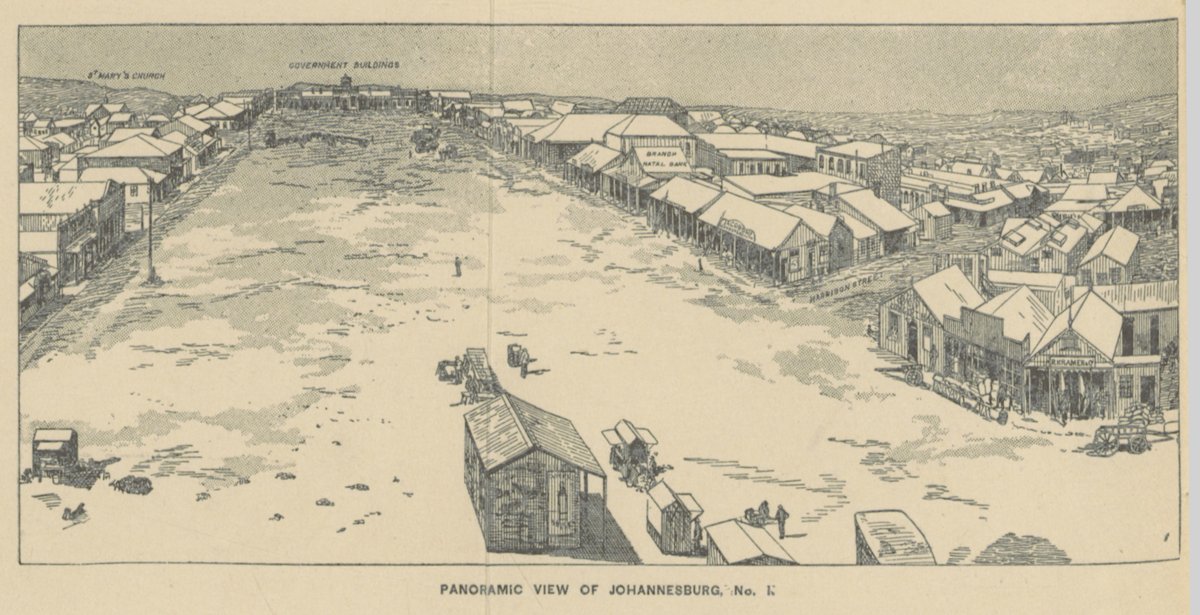
Johannesburg, aptly nicknamed the City of Gold, is a metropolis whose identity and environment have been profoundly shaped by its mining history. Since the discovery of gold on the Witwatersrand in 1886, the city has experienced rapid growth, evolving from pastoral farmland into a vibrant urban hub. However, this transformation has come with significant environmental challenges, especially concerning water management (South African History Online; South Africa.net). Situated on the water-scarce Highveld, Johannesburg faced early and ongoing difficulties in ensuring sustainable water supplies for both its mines and expanding population. One of the most critical environmental issues to emerge is acid mine drainage (AMD), where acidic, metal-laden water threatens both ecosystems and municipal water infrastructure (Department of Water Affairs, 2010; Rand Water, 2015).
The Industrial and Mining Water Research Unit (IMWaRU), housed in the Richard Ward Building at the University of the Witwatersrand, is a leader in addressing these environmental concerns. As a multidisciplinary research center, IMWaRU pioneers advances in AMD treatment, water management policy, and community engagement (GDARD, 2012; Scenario Journal). For visitors, IMWaRU presents an opportunity to witness Johannesburg’s industrial legacy, environmental stewardship, and scientific innovation. This guide details everything you need to know for a visit—covering historical context, practical information, and nearby attractions (WISA).
Contents
- Introduction
- Mining Origins and Water Challenges in Johannesburg
- Environmental Impacts and Acid Mine Drainage
- The Role and Mission of IMWaRU
- IMWaRU’s Achievements and Societal Impact
- Visiting IMWaRU: Hours, Tickets, and Practical Information
- Visual and Interactive Resources
- Frequently Asked Questions (FAQ)
- Conclusion
- Additional Visitor’s Guide: Johannesburg Mining Heritage Sites
- Apartheid Museum: A Key Nearby Attraction
- Richard Ward Building and IMWaRU: Visitor Details
- Summary and Tips
- References and Further Information
Mining Origins and Water Challenges in Johannesburg
The gold rush of 1886 sparked the Mineral Revolution, rapidly transforming Johannesburg into an economic powerhouse. The population surged from thousands to over 100,000 within a decade, driven by the promise of wealth (South African History Online; South Africa.net). Yet, the city’s location on the arid Highveld, far from major rivers, demanded innovative water engineering to sustain both mining operations and urban growth (GDACE, 2008).
Environmental Impacts and Acid Mine Drainage
With mining expansion came environmental consequences. Waste rock and tailings leached heavy metals into soil and water, while AMD emerged as a major hazard. AMD results when water and sulfide minerals interact, producing sulfuric acid and mobilizing toxins such as uranium, arsenic, and lead. This phenomenon has compromised natural streams and municipal water since the early 2000s (Rand Water, 2015; Department of Water Affairs, 2010).
The Role and Mission of IMWaRU
IMWaRU was established at the University of the Witwatersrand in response to mounting water and environmental challenges. Its mission is to conduct impactful research and develop technological solutions for water management in mining and industry, with a core focus on AMD treatment, land reclamation, and sustainable practices (GDARD, 2012).
IMWaRU’s Achievements and Societal Impact
Technological Innovation: IMWaRU has developed and optimized AMD treatment plants, effectively neutralizing acidity and removing toxic metals from mine water (Department of Water Affairs, 2010).
Policy Leadership: The unit advises governmental agencies on mine closure, rehabilitation, and water quality—helping shape national regulations (Scenario Journal).
Community Engagement: IMWaRU works with local communities to raise awareness and implement water purification and land restoration initiatives (WWF South Africa, 2012).
Socio-Environmental Relevance: The work of IMWaRU is closely tied to Johannesburg’s social and political legacy, from labor struggles to environmental justice (Scenario Journal).
Visiting IMWaRU: Hours, Tickets, and Practical Information
- Visiting Hours Monday to Friday, 9:00 AM – 4:00 PM
- Admission Free; guided tours require advance booking
- Accessibility Fully wheelchair accessible
- Location Richard Ward Building, University of the Witwatersrand, Braamfontein, Johannesburg
- Getting There Accessible by public transport, taxi, or private car; campus parking available
- Travel Tips Bring valid photo ID for security, and book guided tours in advance for a comprehensive experience
- Nearby Attractions Apartheid Museum, Gold Reef City, and Constitution Hill are all within convenient reach
Visual and Interactive Resources
IMWaRU provides visual displays and multimedia resources, including:
Frequently Asked Questions (FAQ)
Q: What are the IMWaRU visiting hours? A: Monday to Friday, 9:00 AM – 4:00 PM.
Q: Is admission free? A: Yes, but guided tours must be booked in advance.
Q: Is the facility accessible for those with disabilities? A: Yes, IMWaRU is fully wheelchair accessible.
Q: What will I learn during a visit? A: Visitors gain insights into mining’s environmental impacts, AMD treatment technology, and sustainable water management.
Q: What attractions are nearby? A: Apartheid Museum, Gold Reef City, and Constitution Hill are all close to IMWaRU.
Conclusion: Connecting Heritage and Innovation
IMWaRU exemplifies Johannesburg’s journey from a mining epicenter to a city committed to environmental rehabilitation and sustainable resource management. A visit offers valuable perspectives on the intersection of history, technology, and social justice—making it a must-see for those interested in industrial heritage or environmental science.
Plan your visit to IMWaRU to experience firsthand the scientific responses to historical mining’s challenges. Enhance your exploration by visiting nearby cultural landmarks and using digital tools like the Audiala app for maps and updates.
Discover Johannesburg’s Mining Heritage: A Visitor’s Guide
Key Mining and Water Heritage Sites
1. Gold Reef City Museum and Theme Park
- Hours Daily, 9:00 AM – 5:00 PM
- Tickets Adults R220, Children R110
- Highlights Original mine shafts, exhibits on mining and water management
- Nearby Rides and cultural performances (Gold Reef City Official Website)
2. Mining Precinct and Johannesburg Waterworks
- Hours Guided tours by appointment, weekdays 10:00 AM – 4:00 PM
- Tickets Group rates; book via Johannesburg Heritage Trust
- Highlights Engineering and water supply systems that supported mining
3. Turffontein Mine Site
- Access Open-air, informational plaques
- Highlights Remnants of historic mines and AMD rehabilitation efforts
Travel Tips:
- Use public transport or guided tours
- Spring (September–November) is ideal for outdoor visits
- Check accessibility and tour availability in advance
- Wear comfortable shoes and bring sun protection
Further Resources:
The Apartheid Museum: History, Visiting Information, and Tips
Introduction: The Apartheid Museum is a landmark institution documenting the history and legacy of apartheid. Its powerful exhibits guide visitors through South Africa’s journey to democracy.
Location: Northern Park Way and Gold Reef City Entrance Road, Ormonde, Johannesburg Hours: Daily, 9:00 AM – 5:00 PM (last entry 4:30 PM) Admission: Adults ZAR 150, Students ZAR 80, Children under 18 free Tickets: At the museum or online (Apartheid Museum website) Accessibility: Wheelchair-accessible Nearby Attractions: Gold Reef City, Constitution Hill, Hector Pieterson Museum, Soweto tours
Visitor Tips:
- Allocate 2–3 hours for your visit
- Some exhibits are intense; parental guidance for children is advised
- Photography is allowed in designated areas
- Special exhibitions and events occur regularly
FAQs:
- Guided tours are available for an additional fee
- Gift shop on-site
The Richard Ward Building and IMWaRU: Visitor Information
Address: Richard Ward Building, East Campus, University of the Witwatersrand Access: By car, public transport (Gautrain Park Station nearby), or on foot Parking: Secure, with prior arrangements recommended Hours: Monday to Friday, 8:00 AM – 5:00 PM Entry: Check in at campus security with valid ID; pre-book for lab and guided access Tours: Book via [email protected] Facilities: Modern labs, seminar rooms, library, and cafeteria Events: Symposia, workshops, and public lectures are held regularly (WISA Industrial Water Division) Nearby: Origins Centre Museum, Constitution Hill, Johannesburg Art Gallery
Visitor Tips:
- Book in advance
- Bring ID
- Wear appropriate attire for lab visits
- Use public transport if possible
Summary and Visitor Tips
IMWaRU encapsulates Johannesburg’s transformation from a mining hub to a city at the forefront of sustainable water management. By visiting, you’ll connect with the city’s industrial past, learn about ongoing environmental challenges, and witness leading scientific solutions (Department of Water Affairs, 2010; WWF South Africa, 2012). Its location within Wits University makes it convenient to combine your visit with other cultural and historical attractions (WISA; South Africa.net). For an enriched experience, download the Audiala app for interactive guides and updates.
References and Further Reading
- Glittering Gold, 2025, South African History Online
- A History of Mining in South Africa, 2025, South Africa.net
- Acid Mine Drainage Report, 2010, Department of Water Affairs
- Mining and Environmental Impact Guide, 2008, GDACE
- Reclamation and Rehabilitation of Mine Residue Areas Strategy, 2012, GDARD
- Gold Mining Exploits and Social Context, 2004, Scenario Journal
- Industrial Water Division - WISA
- Mining and Water Pollution FAQ, 2015, Rand Water
- WWF Mining Report, 2012, WWF South Africa
- Gold Reef City Official Website
- Johannesburg Heritage Trust
- Water Research Commission - Hydrological Heritage Overview
- Apartheid Museum website