Place
Seoul
South Korea Aktualisiert Mar 2026
At blue hour, Seoul sounds like two cities at once: temple bells and crosswalk chimes, grilling garlic and clean subway air. In Seoul, South Korea, a palace gate can sit ten minutes from a design landmark, and a mountain wall trail can end at a neon bar alley. People come here for that productive friction, where old Korea is not preserved behind glass but still threaded through daily life.
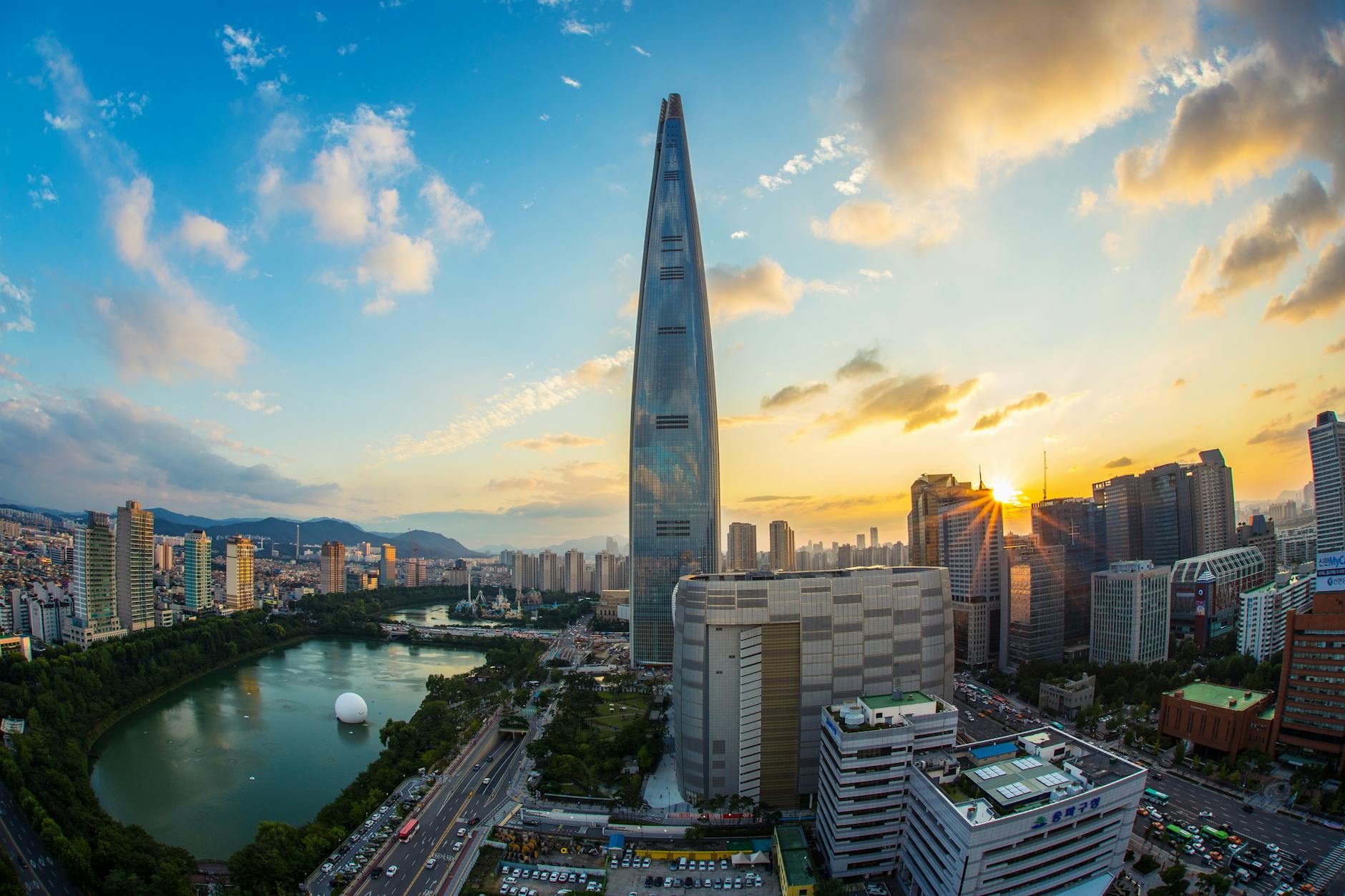 Foto: Pixabay / Pexels
- Attraktionen
- 45
- Audio
- 25 h
- Reisedauer
- 4-5 days
- Beste jahreszeit
- Spring and autumn (April-June, September-October)
Warum Seoul
Aus zitierten Quellen erstellt · Methode ansehen · Wie unsere Guides entstehen →
Start in Jongno and the logic of the city clicks fast: Gyeongbokgung and Changdeokgung give you royal scale, Bukchon and Seochon bring it down to alley height, and Cheonggyecheon shows how Seoul keeps rewriting itself in public. Even the big postcard stops are better when paired with contrast, like Seoul Sky after a morning in palace courtyards, or Naksan’s city-wall walk instead of another elevator viewpoint.
Seoul’s cultural range is wider than first-time itineraries admit. The National Museum of Korea, the War Memorial, and Seodaemun Prison History Hall fill in the harder chapters between dynastic grandeur and K-pop gloss; Leeum, MMCA, SeMA, and the new Seo-Seoul branch map the current art conversation. At night, the city breaks into moods by district: nogari tables in Euljiro, indie basements in Hongdae, cocktail precision in Hannam and Gangnam.
Food here is geography. You eat by neighborhood rhythm: naengmyeon in old Jongno lines, market snacks in Gwangjang, jokbal and jeon in alley districts built for long evenings, then coffee in converted factories in Seongsu or hanok courtyards in Ikseon-dong. Stay long enough and Seoul stops feeling like a checklist and starts reading like a set of layered neighborhoods, each one changing how you understand the last.
Palaces, Walls, and Hanok Lanes
In Seoul, royal courtyards and neighborhood life still touch edges: Gyeongbokgung and Changdeokgung flow into Bukchon, Ikseon-dong, and Seochon within a short ride. Walk Hanyangdoseong at Naksan in the late afternoon and the old stone wall lights up against glass towers.A City Built Twice
Seoul keeps rewriting infrastructure into culture: Cheonggyecheon turned an expressway corridor into water and footpaths, while Seoullo 7017 lifted a former overpass into a sky garden. Oil Tank Culture Park and Culture Station Seoul 284 show the same instinct for reuse, just with rougher textures and better stories.Serious Art, Multiple Centers
This is not a one-district art city: MMCA Seoul, Leeum, SeMA, and the Seo-Seoul Museum of Art branch opened in March 2026 map a wide cultural field. Add APMA at Amorepacific HQ and you get architecture, collections, and contemporary Seoul in one frame.Night Views Beyond Namsan
After dark, Seoul splits into moods: Hongdae’s loud youth streets, Euljiro’s newtro bars in old workshops, and quiet river wind along Hangang parks. The SEOULDAL tethered balloon (launched 2024) adds a floating, citywide night panorama that feels different from tower decks.
Sehenswürdigkeiten
Nicht jedes Denkmal, nur die, an denen wir dich selbst vorbeiführen würden.
- Seoul Sparpässe Und Karten Ein klarer Leitfaden zu Seoul-Pässen und Rabattkarten: welche 2026 wirklich Geld sparen, welche nicht und wie die Break-even-Rechnung jeweils aussieht.
- Seoul-Tipps Für Erstbesucher: Insider-Tricks & Lokale Abkürzungen Ehrlicher Seoul-Guide für Erstbesucher: Seilbahnschlangen am N Tower umgehen, Überpreise im Gwangjang Market vermeiden, günstig mit AREX fahren, falschen Mönchen und Taxi-Betrug aus dem Weg gehen.
Viertel
Wo es sich zu schlendern lohnt, Viertel für Viertel — jedes mit eigenem Rhythmus.
Jongno
Seoul’s historic spine: palace compounds, hanok streets, temple courtyards, and some of the city’s oldest restaurants all packed into walkable blocks. Come for Gyeongbokgung, Changdeokgung, Insadong, and Bukchon, then stay after dark when side streets shift into pocha tables and late soup houses.Euljiro
A former print-and-hardware district turned “newtro” stronghold, where metal workshops share walls with sharp cocktail bars and vintage cafés. Euljiro Nogari Alley is the signature scene: tiny outdoor tables, cold beer, dried pollack, and a street soundtrack of clinking glass and passing scooters.Seochon
West of Gyeongbokgung, Seochon feels lived-in rather than staged, with gallery storefronts, old homes, and local restaurants between narrow lanes. Pair Suseong-dong Valley and Tongin Market for a slow day of walking, snack grazing, and the kind of neighborhood detail most visitors miss.Ikseon-dong
A tight maze of renovated hanok where dessert cafés, wine bars, and small restaurants sit behind timber doors and tiled roofs. It can get busy, but early evening light in these lanes gives one of Seoul’s most distinct old-meets-new street atmospheres.Seongsu
Factory shells, design shops, pop-ups, and concept cafés make Seongsu the clearest view of contemporary Seoul taste. The draw is less monuments and more texture: concrete courtyards, coffee roasters, fashion launches, and people-watching that runs from late morning into night.Hongdae and Yeonnam
Youthful, noisy, and reliably fun after dark, this is still Seoul’s most legible live-music zone, with indie venues, dance clubs, and casual late-night eats. Yeonnam softens the edge with leafy lanes, smaller bars, and neighborhood cafés when you want the energy without full-volume crowds.Itaewon and Hannam
Seoul’s most international dining-and-drinks corridor, where embassies, global kitchens, and high-end bars sit close to major art stops like Leeum. Hannam in particular skews polished: better cocktails, sharper retail, and galleries that reward an unhurried evening.Gangnam and Jamsil
The modern skyline version of Seoul: wide avenues, luxury retail, major performance venues, and big-ticket attractions like Lotte World Tower and Seoul Sky. Jamsil adds family-friendly parks and easy river access, while nearby COEX and Bongeunsa deliver a useful glass-and-temple contrast.
Reise planen
Bevor es losgeht
- Getting There
- Seoul’s gateways are Incheon International Airport (ICN) for most long-haul arrivals and Gimpo International Airport (GMP) for domestic and regional routes. Main rail hubs are Seoul Station (KTX and AREX), Yongsan Station (KTX/ITX), Cheongnyangni Station (intercity), and Suseo Station (SRT); AREX express from ICN to Seoul Station is about 40 minutes. Major road connections include the Gyeongbu Expressway (No. 1), Seohaean Expressway (No. 15), Gyeongin Expressway (No. 120), and the Seoul Ring Expressway (No. 100).
- Getting Around
- In 2026, visitors rely on the Seoul Metropolitan Subway (Lines 1-9 plus regional/airport lines; roughly 20+ lines across operators), color-coded bus networks, and extensive night buses marked with an "N." Seoul has no operating city tram network as of 2026; use subway+bus as your default. For fares and passes, use T-money/Cashbee or the Climate Card (KRW 5,000 for 1 day, 8,000 for 2, 10,000 for 3, 15,000 for 5, 20,000 for 7; 30-day plans from KRW 62,000), and note Climate Card exclusions such as airport limousine buses and Sinbundang Line.
- Climate & Best Time
- Spring (Apr-Jun) is mild to warm, autumn (Sep-Oct) is crisp and usually the easiest window for long walking days, while winter is cold and dry and summer is hot, humid, and rain-heavy. Typical anchors: January averages around 1.5 C / -5.9 C, August around 29.6 C / 22.4 C, with rainfall peaking in July (about 395 mm). Peak tourism usually clusters in cherry-blossom spring and autumn foliage months; best value-and-comfort shoulder windows are late April to early June and late September to October.
- Language & Currency
- Korean is the daily language, but subway systems, airport links, and major attractions are manageable in English if you keep addresses saved in Korean text for taxis and local eateries. Currency is South Korean won (KRW), and cards are widely accepted even for small purchases; no tipping is the local norm. In 2026, Seoul’s Climate Card and single-journey transit tickets support international credit/debit cards and mobile payments for foreign visitors.
- Safety
- Seoul is generally very safe for a megacity, but use official taxi stands at ICN and avoid unsolicited rides; airport authorities explicitly warn about overcharging by illegal touts. Keep emergency numbers saved: 112 (police), 119 (fire/ambulance), 1339 (medical hotline), and 1330 (24/7 tourist help with language support). Tourist police are active in high-traffic visitor zones such as Myeong-dong, Itaewon, and Dongdaemun.
River Mud, Palace Stone, Neon Glass
Seoul keeps rewriting itself: village, royal capital, colonial city, war front, and democratic megacity.
- c. 4000 BCE
Amsa-dong by Firelight
Along the lower Han, Neolithic families dug pit houses, dried fish, and shaped comb-pattern pottery at what is now Amsa-dong. Excavated hearths and tools show Seoul began as a river labor settlement, with smoke, reeds, and seasonal floods setting the rhythm of life.
- 18 BCE
Onjo Founds Wiryeseong
King Onjo founded Baekje and placed its capital at Wiryeseong in the Seoul basin, near today’s Pungnaptoseong and Mongchontoseong fortifications. That decision tied kingship to the Han corridor and made this landscape a political center for nearly five centuries.
- 475
Hanseong Falls
Goguryeo forces under King Jangsu captured Hanseong, ending Baekje’s long capital era in Seoul. The court fled south to Gongju, and the city became a contested prize instead of a stable throne city.
- 1068
Namgyeong Becomes Southern Capital
Goryeo elevated Hanyang to Namgyeong, the “Southern Capital,” giving it formal secondary-capital status. The label drew officials, roads, and institutional attention, quietly preparing the city for a larger destiny.
- 1335
Taejo, Architect of Capital Choice
Yi Seong-gye, later King Taejo, was born in 1335 and would make the defining urban decision in Korean history: choosing Hanyang as Joseon’s capital. He read the city as strategy, where mountain ridges guarded the basin and the Han carried grain, troops, and tax flows.
- 1394
Hanyang Named Royal Capital
Two years after founding Joseon, Taejo moved the capital to Hanyang, remapping state power onto Seoul. Ministries, rituals, and markets clustered around the new court, and the city’s long life as Korea’s political heart began.
Ganze Zeitleiste zeigen (30 Momente)
- 1396
Stone Wall Around the City
Workers built Hanyangdoseong, an 18.6-kilometer wall stitched over ridgelines with four main gates and four auxiliary gates. It did more than defend; it defined where the capital ended and authority began.
- 1397
Sejong’s Seoul Begins
Born in Hanyang, Sejong would later rule from its palaces and turn court scholarship into a public project. In Seoul’s scriptoria and audience halls, language policy became civic technology.
- 1446
Hangul Enters the Streets
The court promulgated Hunminjeongeum, the script now called Hangul, from the palace world of Seoul. Suddenly, language was no longer only an elite instrument; it could move through markets, homes, and village schools.
- 1592
Imjin War Burns Hanyang
Japanese invasions devastated the capital, and palace complexes went up in flames. Contemporary estimates suggest roughly 70 to 80 percent of homes inside the walls were destroyed, leaving a capital of ash, salvage timber, and displaced families.
- 1745
Kim Hong-do and Urban Life
Painter Kim Hong-do was born in 1745 and became one of the great visual chroniclers of late-Joseon society centered on Seoul’s commercial world. His genre scenes captured the city’s energy beyond court ritual: traders, entertainers, workers, and ordinary bodies in motion.
- 1760
Cheonggyecheon Recut
Major dredging and management works reshaped Cheonggyecheon, Seoul’s central water spine. The project reduced flooding pressure and fixed a durable urban divide between neighborhoods north and south of the stream.
- 1851
Empress Myeongseong’s City
Born in 1851, Empress Myeongseong rose to power in Seoul’s court at a moment of foreign pressure and factional struggle. Her political life was inseparable from the capital’s palace geography, and her fate would mark one of its darkest nights.
- 1868
Gyeongbokgung Rebuilt
After roughly 270 years of ruin, the Joseon court rebuilt Gyeongbokgung under Heungseon Daewongun. Fresh timber frames, tiled roofs, and ceremonial axes restored royal grandeur just as the old order faced modern shock.
- 1895
Assassination at Geoncheonggung
On October 8, 1895, Empress Myeongseong was murdered inside Geoncheonggung at Gyeongbokgung. The killing ripped through the court and exposed how violently foreign power struggles had entered Seoul’s inner palace rooms.
- 1899
Streetcars and Electric Wires
Seoul’s first electric streetcar began service, adding metal rails and overhead lines to streets long ruled by foot and sedan chair. The soundscape changed to bell clangs and wheel grind, a daily signal that the city had entered electrical modernity.
- 1905
Eulsa Treaty Imposed
At Jungmyeongjeon in Seoul, Japan forced the Eulsa Treaty on Korea, stripping diplomatic sovereignty. The treaty turned the capital into the administrative stage of protectorate rule.
- 1910
Annexation, Name Changed to Keijo
Japan formally annexed Korea, and Seoul was renamed Gyeongseong (Keijo). Colonial boulevards and institutions expanded, while Korean political life was pushed into surveillance, prison cells, and underground networks.
- 1919
March First Ignites from Tapgol
The March First Movement began at Tapgol Park in Seoul and surged across the peninsula. About 2,000,000 people joined more than 1,500 demonstrations; thousands were killed or wounded, and tens of thousands arrested. Seoul became the loud first spark of mass anti-colonial politics.
- 1925
Great Flood Drowns Gyeongseong
The 1925 flood inundated the city, collapsing transport and power and erasing vulnerable settlements along waterways. Mud and debris forced a reset in flood-control thinking for the Han and its tributaries.
- 1945
Liberation Ends Colonial Rule
Japan’s defeat on August 15, 1945 ended 35 years of colonial rule in Seoul. In 1946 the city’s official name became Seoul again, and the capital re-entered history under its Korean name.
- 1950
War Takes the Capital Repeatedly
During the Korean War, Seoul changed hands four times between 1950 and 1951. Bridges blew, civilians fled in huge columns, and about 1.1 million of 1.5 million residents were displaced at the war’s height.
- 1960
April Revolution in the Streets
Student-led protests against election fraud erupted across Seoul in April 1960. Police violence only widened the crowds, and Syngman Rhee resigned on April 26, proving mass civic action could overturn power in the capital.
- 1987
Park Jong-chol and Democratic Breakthrough
The torture death of student activist Park Jong-chol in Seoul detonated public anger in 1987. His case, followed by the shooting of Lee Han-yeol, helped drive the June Uprising that forced constitutional change and direct presidential elections.
- 1988
Olympic Summer on the Han
Seoul hosted the Summer Olympics and broadcast a transformed urban image to the world. New transport links, venues, and televised street scenes marked the city’s shift from aid-era capital to global metropolitan actor.
- 1995
Sampoong Collapse Shock
On June 29, 1995, Sampoong Department Store collapsed, killing more than 500 people and injuring more than 930. The rubble exposed systemic corruption and weak safety enforcement, forcing national scrutiny of construction standards.
- 2005
Cheonggyecheon Reopened to Daylight
After removing elevated roadway infrastructure, Seoul reopened 5.84 kilometers of Cheonggyecheon as a public stream corridor. Water sounds returned to a district once dominated by engines and concrete, and urban policy pivoted toward ecological public space.
- 2017
Lotte World Tower Opens
At 555 meters and 123 floors, Lotte World Tower opened in Jamsil as South Korea’s tallest building. Its glass shaft rewrote the skyline and symbolized Seoul’s confidence as a high-density global business city.
- 2022
Floods and Itaewon Tragedy
Record rain hammered Seoul in August, with southern districts seeing over 100 millimeters per hour and severe urban flooding. In October, the Itaewon crowd crush killed 159 people and injured 196, leaving a citywide reckoning over disaster preparedness and public safety.
- 2025
Democracy Museum Opens in Former Interrogation Site
On June 10, 2025, the National Museum of Korean Democracy opened in Seoul’s former Namyeong-dong anti-communist interrogation office. Rooms once associated with torture were reinterpreted as civic memory space, turning state violence into public testimony.
Wer hier lebte
-
Founding king of Joseon · 1335-1408
Yi Seong-gye (King Taejo)
Declared Hanyang (present-day Seoul) the capital in 1394
When Taejo shifted the capital to Hanyang in 1394, he fixed Seoul's basic geography of power: palace axis, mountain defenses, market gates. Walking Gyeongbokgung and city-wall sections still follows his political map. He would recognize the ridgelines first, then the megacity layered on top.
-
Joseon monarch and language reformer · 1397-1450
Sejong the Great
Ruled from royal Seoul and sponsored Hangul in the 1440s
Sejong backed scholars in the capital who developed Hangul, changing literacy from court privilege to public tool. His presence at Gwanghwamun is not symbolic wallpaper; it marks where language policy reshaped daily life. Today he would hear his alphabet everywhere from station announcements to street slang.
-
Korean emperor · 1852-1919
Emperor Gojong
Ruled from central Seoul, especially Deoksugung, during late-19th-century modernization
Gojong's Seoul held palace ritual and hard modern transition in the same streets. Around Deoksugung, diplomatic traffic, new institutions, and changing urban infrastructure arrived while old walls still framed authority. The city's blend of ceremony and speed still echoes his era.
-
Independence leader and statesman · 1876-1949
Kim Gu
Lived his final years in Seoul at Gyeonggyojang
After years in exile leadership, Kim Gu returned and worked from Gyeonggyojang in Seoul, where he was assassinated in 1949. That house remains one of the city's most intimate modern-history sites. His story gives Seoul's political geography a personal address.
-
Video artist · 1932-2006
Nam June Paik
Born in Seoul
Paik, born in Seoul, turned electronic media into art long before screens ruled daily life. In today's city of giant displays, media facades, and hyper-connected public space, his imagination feels strangely local. He would likely treat modern Seoul as a live installation.
Wo essen
Wo Einheimische wirklich zum Abendessen einkehren — keine Touristenmenüs.
-
Korean BBQ (Samgyeopsal and Hanwoo)
Sit where the charcoal smell clings to your jacket and grill at the table while staff swap grates and sides in rhythm. Seoul does this best as a social meal: pork belly for everyday joy, Hanwoo for deep, buttery flavor.
-
Gwangjang Market: Bindaetteok and Mayak Gimbap
At Gwangjang, mung-bean pancakes hit hot oil with a crackle, then land crisp-edged and soft in the middle. Pair with the bite-size "mayak" gimbap for a fast, salty-sesame contrast that makes market dining addictive.
-
Dakhanmari (Dongdaemun-style chicken hot pot)
A whole chicken simmers in a clear, peppery broth until the steam fogs your glasses, then noodles go in last to absorb everything. It is Seoul comfort food at its most direct: simple pot, huge flavor.
-
Naengmyeon
Cold buckwheat noodles arrive in icy broth with vinegar and mustard at the table, exactly when summer heat turns the city heavy. The clean, metallic chill is a reset between spicy and grilled meals.
-
Jokbal and Bossam
Braised pork trotter (jokbal) and wrapped pork slices (bossam) are classic late-night Seoul plates, rich but balanced with garlic, kimchi, and fresh leaves. They work best shared with soju and slow conversation.
-
Tongin Market Dosirak
In Tongin Market, you build a lunchbox by exchanging tokens for small portions from multiple stalls, then eat everything together upstairs. It is part meal, part edible map of neighborhood flavors.
-
Mangwon Market Street Bites
Mangwon feels more local than theatrical, with snacks, fried bites, and household-food stalls packed into narrow aisles. Go hungry and graze: one skewer, one dumpling, one sweet hotteok at a time.
-
Han River Chimaek
Order fried chicken and beer to a Hangang park bench and watch bike lights and bridge reflections drift by. The ritual sounds casual, but it captures Seoul’s night culture better than any formal dining room.
Insider- Tipps
Kleine Dinge, die verändern, wie die Stadt dir begegnet.
Use Climate Card
If you ride multiple times a day inside Seoul, the Climate Card starts at KRW 5,000 for 1 day and quickly beats single fares. Use T-money instead for airport buses, Sinbundang Line, or suburban segments the card does not cover.Tap Every Leg
Transfer discounts only work when you tag in and out correctly on each bus and subway segment. The transfer window is 30 minutes, extended to 1 hour between 21:00 and 07:00.Use Official Stands
At Incheon Airport, ignore ride offers inside arrivals and go to designated taxi stands. The airport warns about illegal solicitation and overcharging by vans posing as taxis.Late Night Arrival
If you land late, check ICN night buses N6000, N6002, N6701, and N6703 before taking a taxi. Official fares are typically KRW 17,000-18,000.Pick Shoulder Seasons
April-June and September-October are best for long walking days across palace districts and city-wall trails. Late July to August is the hardest weather window, with heat, humidity, and heavy rain.Respect Local Etiquette
Tipping is generally not expected in restaurants, cafes, or taxis. Keep priority subway seats open and remove shoes in traditional spaces when requested.Market Food Strategy
At Gwangjang and Namdaemun, order in small rounds and treat the visit like a snack crawl. Check prices before ordering, especially at stalls without clear signage.Save Help Numbers
Store 112 (police), 119 (fire/ambulance), and 1330 (24/7 tourist hotline) on your first day. These numbers solve most urgent travel problems fast.
Galerie
Die Stadt, so wie sie wirklich aussieht.




Häufig gefragt
Is seoul worth visiting?
Yes, especially if you want one city that can switch from royal palaces to design labs and neon food alleys in a single subway ride. Seoul's core is dense, so you can pair Gyeongbokgung, Bukchon, and Insadong with DDP, Seongsu, or the Han River in the same day. It rewards repeat visits because neighborhood character changes block by block.
How many days in seoul?
Plan 4-5 days for a strong first trip. Three days covers classic highlights, while day 4-5 lets you add deeper history like the National Museum of Korea, the War Memorial, or Seodaemun Prison. Add one more day if you want a DMZ or Suwon excursion.
How do I get from Incheon Airport to central Seoul?
AREX is usually the cleanest option, with express service around 40 minutes to Seoul Station. Airport limousine buses are better if you want a direct district stop with luggage; late-night options include N6000, N6002, N6701, and N6703. If you take a taxi, use official airport stands only.
Is Seoul public transport easy for tourists?
Yes, it is very visitor-friendly once you learn the card system. As of June 28, 2025, base subway fare is KRW 1,550 by card and KRW 1,650 cash single-ride, with a KRW 500 refundable deposit on single tickets. Bus and subway transfers are integrated if you tap properly.
Should I buy a Climate Card or T-money in Seoul?
Buy a Climate Card for a Seoul-heavy itinerary with frequent daily rides. It starts at KRW 5,000 (1 day), and from March 17, 2026, foreigners can buy and recharge with international cards and mobile payment. Use T-money when you need maximum flexibility outside the Climate Card coverage.
Is Seoul safe at night for travelers?
Generally yes, Seoul is considered a comparatively safe major city. Use normal late-night caution in nightlife zones and on airport transfers, and check food prices before ordering at stalls. Keep 112, 119, and 1330 saved in your phone.
Is Seoul expensive for tourists?
Seoul can be moderate if you use transit and neighborhood markets well. Transport is inexpensive relative to many global capitals, and markets like Mangwon or Namdaemun help keep food costs down. Costs rise quickly with frequent taxis, premium bars, and high-demand shopping districts.
What is the best month to visit Seoul?
April, May, September, and October are usually the most comfortable months. Spring and autumn fit walk-heavy itineraries across palace districts, city-wall sections, and riverside parks. Late July-August is typically the toughest period because of heat, humidity, and rain.
Alle Sehenswürdigkeiten.
2 Orte zu entdecken
Weiterlesen, wo du warst
Gespeicherte und zuletzt gelesene Orte – nur auf diesem Gerät.
Bildnachweise (12)
- Pixabay — Pexels License (https://www.pexels.com/license/) — Quelle: https://www.pexels.com/photo/237211/
- Saksham Vikram — Pexels License (https://www.pexels.com/license/) — Quelle: https://www.pexels.com/photo/33019230/
- Jaythen Bag-ayan — Pexels License (https://www.pexels.com/license/) — Quelle: https://www.pexels.com/photo/36678403/
- Constantine Kim — Pexels License (https://www.pexels.com/license/) — Quelle: https://www.pexels.com/photo/10362793/
- Paul De Vota — Pexels License (https://www.pexels.com/license/) — Quelle: https://www.pexels.com/photo/36598056/
- Theodore Nguyen — Pexels License (https://www.pexels.com/license/) — Quelle: https://www.pexels.com/photo/32124401/
- Theodore Nguyen — Pexels License (https://www.pexels.com/license/) — Quelle: https://www.pexels.com/photo/31872727/
- 권민 — Pexels License (https://www.pexels.com/license/) — Quelle: https://www.pexels.com/photo/11132901/
- Theodore Nguyen — Pexels License (https://www.pexels.com/license/) — Quelle: https://www.pexels.com/photo/32014912/
- Gyubeen Hong — Pexels License (https://www.pexels.com/license/) — Quelle: https://www.pexels.com/photo/28738902/
- piu aka — Pexels License (https://www.pexels.com/license/) — Quelle: https://www.pexels.com/photo/13045678/
- Theodore Nguyen — Pexels License (https://www.pexels.com/license/) — Quelle: https://www.pexels.com/photo/32133726/
Fotos wurden möglicherweise verkleinert oder zugeschnitten.