
Introduction
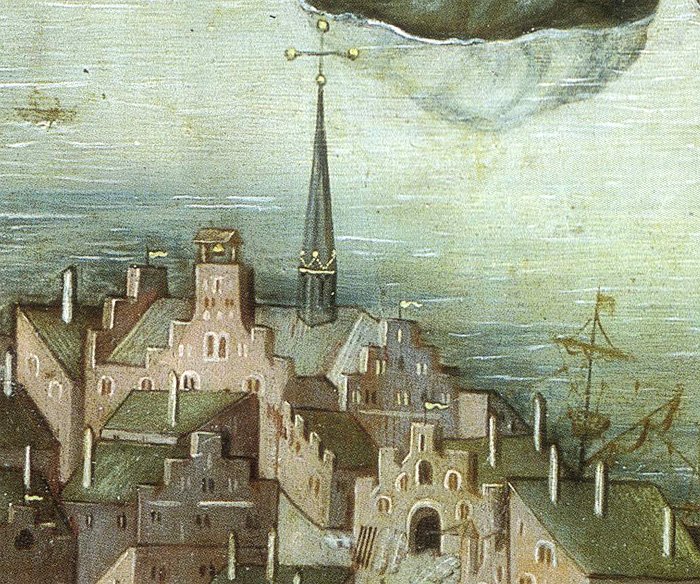
Nestled in the heart of Stockholm’s historic Gamla Stan, the Black Friars' Monastery (Svartbrödraklostret) stands as a remarkable testament to Sweden’s medieval religious and cultural heritage. Founded in the early 14th century by the Dominican Order—known as the Black Friars due to their distinctive black cloaks—this monastery was once one of Stockholm's most significant religious institutions and the city’s second largest building after the royal castle, Tre Kronor. Over centuries, it played a pivotal role not only in spiritual life but also in education, social welfare, and the economic development of Stockholm’s Old Town.
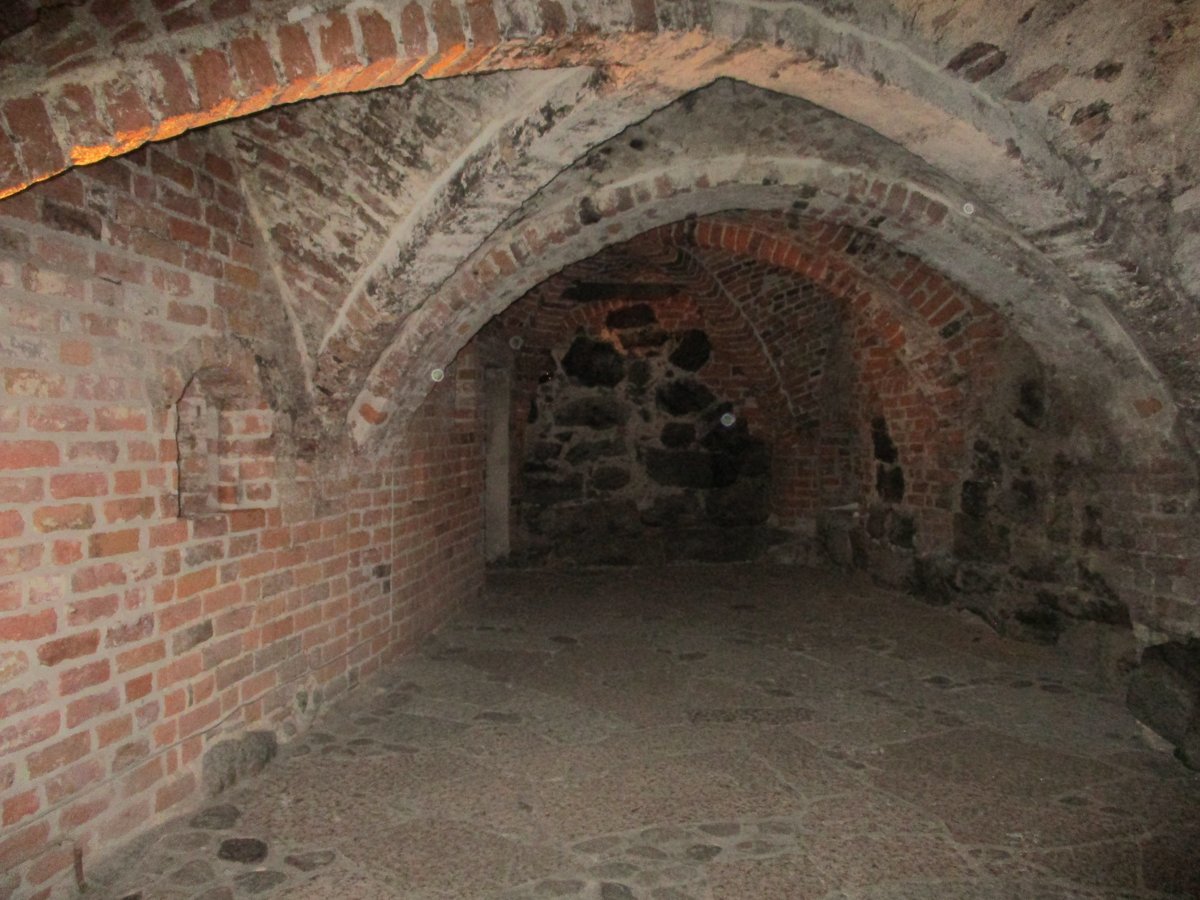
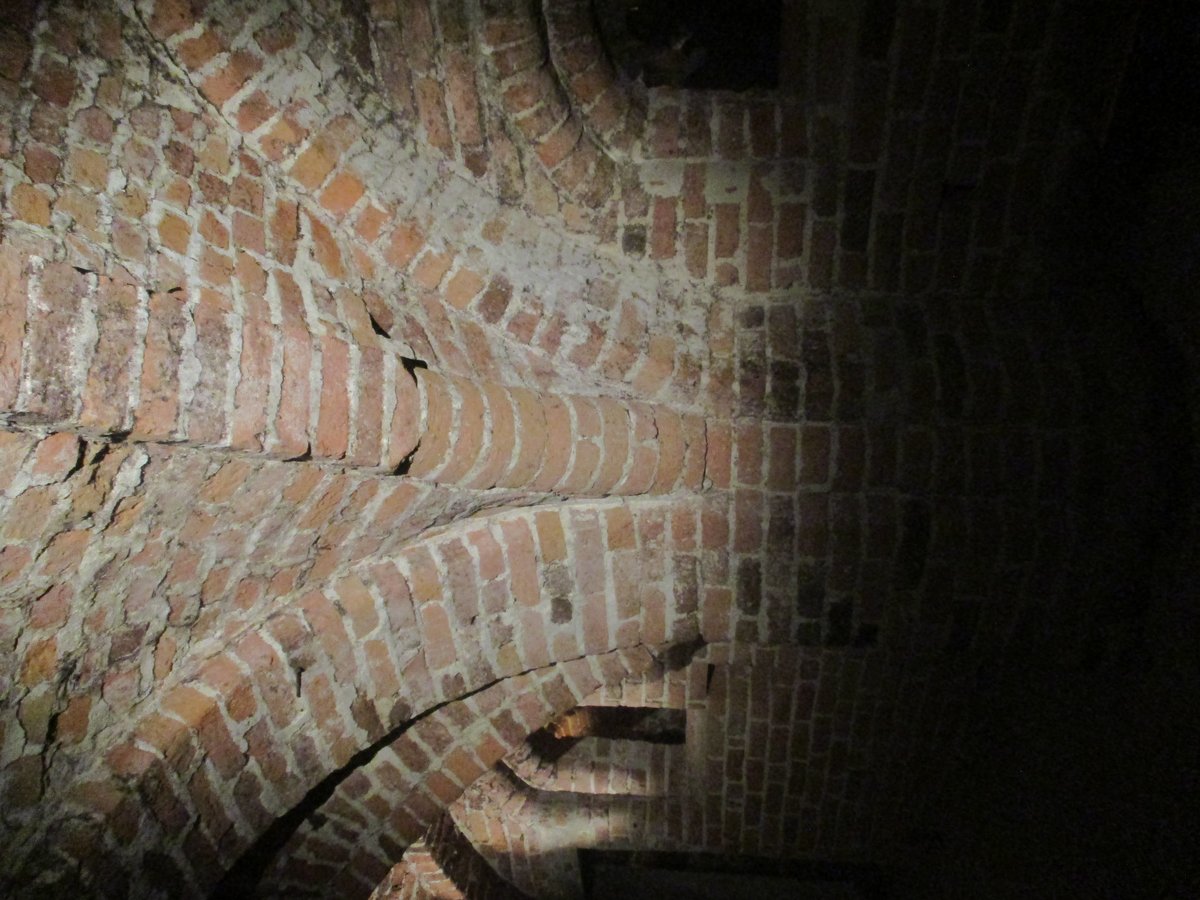
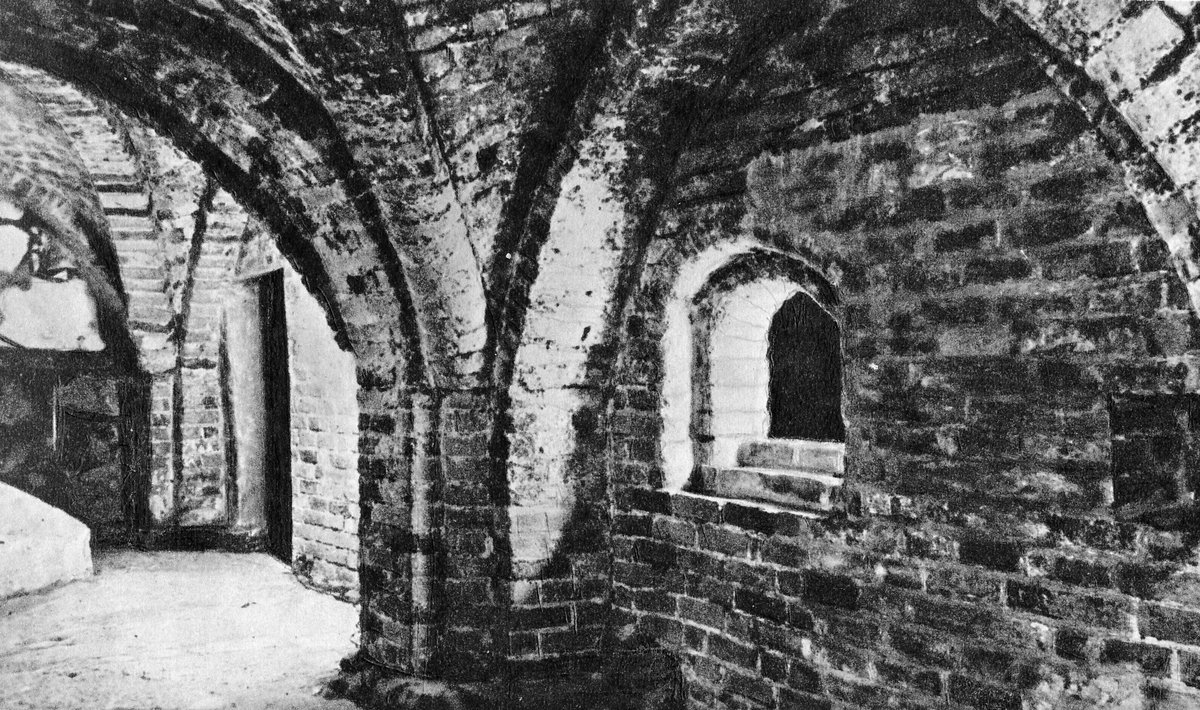
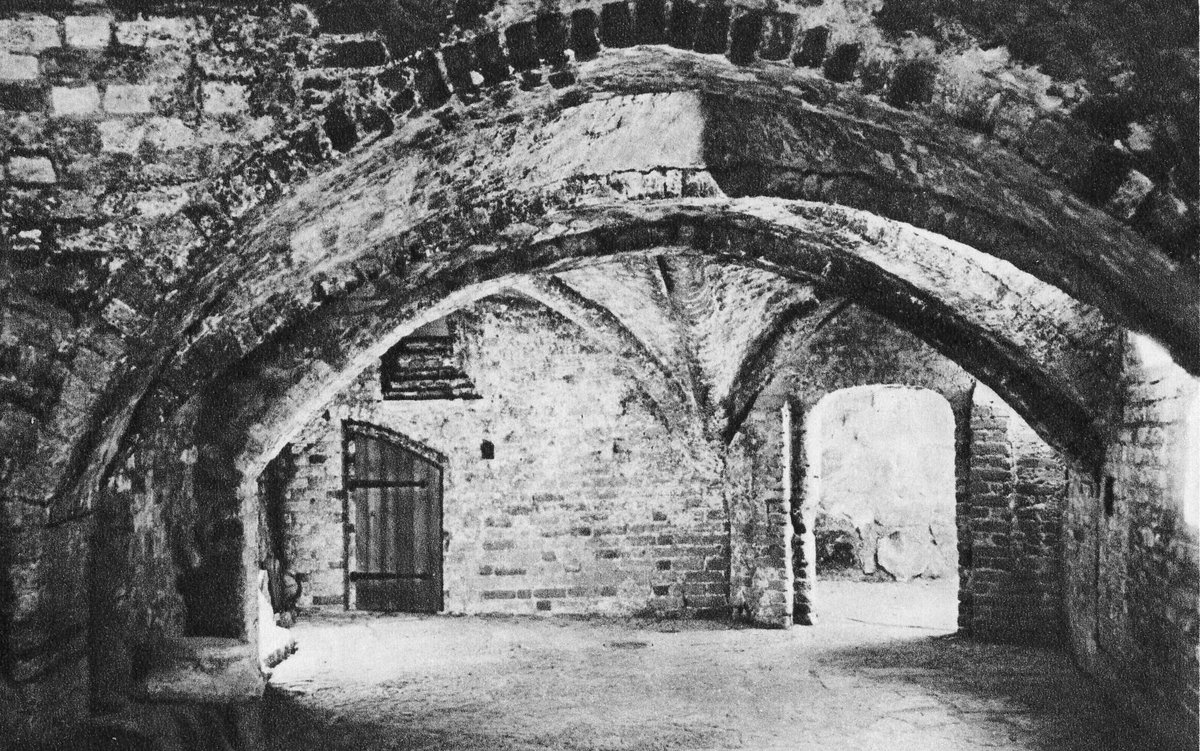
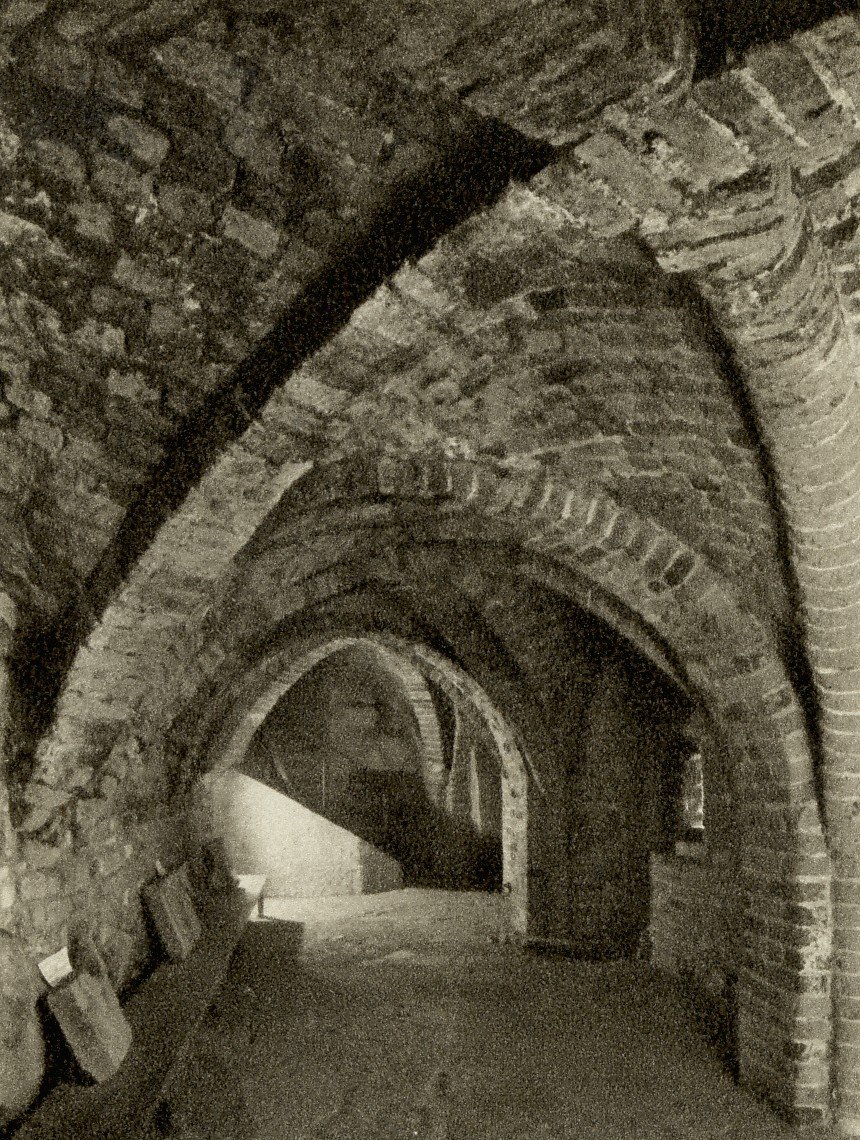
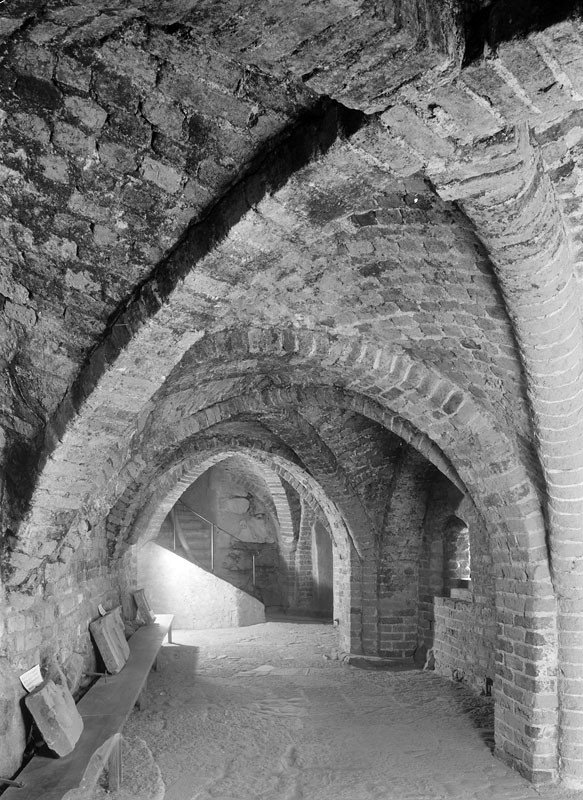
Today, visitors can explore the surviving architectural remnants such as the striking brick-vaulted cellars beneath Benickebrinken and Österlånggatan, as well as archaeological floors and cellar vaults at locations like Tyska stallplan and Prästgatan 27. These sites offer a tangible connection to the past, revealing the monastery’s architectural grandeur and its integral role in medieval urban life. The monastery’s history is deeply intertwined with major historical events, including its dissolution during the Protestant Reformation under King Gustav Vasa in the 16th century, which led to its demolition and the repurposing of its assets.
For those planning a visit, the Black Friars' Monastery remains are accessible primarily through guided tours organized by the Museum of Medieval Stockholm and the Stockholm City Museum, with visiting hours generally spanning from Tuesday to Sunday. While the ruins themselves are freely accessible at all times, access to the preserved vaults and archaeological sites often requires tickets and participation in scheduled tours. Visitors should be aware that due to the historic nature of the site, some areas have limited accessibility for those with mobility challenges.
Surrounded by other notable Stockholm landmarks such as the Royal Palace, Storkyrkan Cathedral, and the Nobel Museum, a visit to the Black Friars’ Monastery offers a richly layered cultural experience. Whether you're a history enthusiast eager to delve into medieval Swedish history or a curious traveler exploring Stockholm’s Old Town, this site provides a captivating glimpse into the city’s past. For comprehensive visitor information, including detailed historical context, ticketing, and tour schedules, official resources such as the Museum of Medieval Stockholm and Stockholm City Museum are invaluable.
Embark on a journey through time and uncover the enduring legacy of the Black Friars' Monastery, a cornerstone of Stockholm’s rich medieval heritage. (Medieval Stockholm Guide) (Stockholm City Museum) (Museum of Medieval Stockholm)
Table of Contents
- Historical Background and Foundation
- Architecture and Monastic Life
- The Monastery’s Role and Influence
- Reformation and Demolition
- Surviving Remnants & Archaeology
- Visiting Hours and Ticketing
- Accessibility
- Getting There
- Nearby Attractions
- Special Tours & Events
- Visitor Tips & Photo Spots
- Frequently Asked Questions (FAQ)
- Preservation and Research
- Plan Your Visit
Historical Background and Foundation
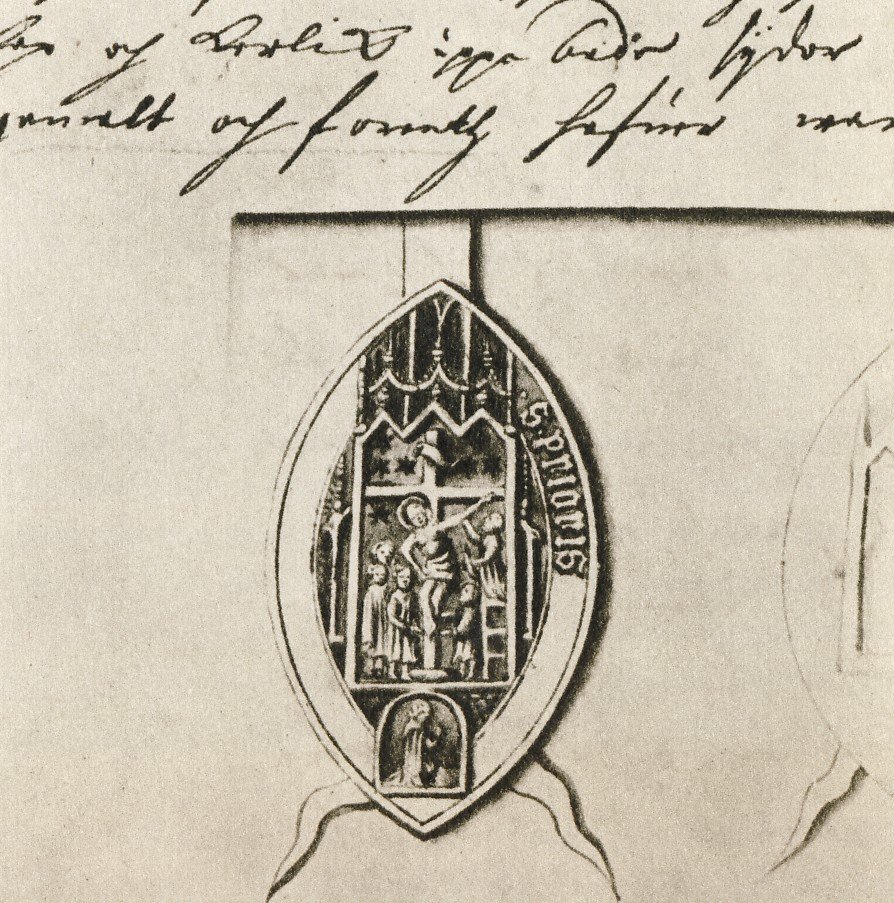
The Black Friars’ Monastery was founded in 1336 when King Magnus IV donated land on Stadsholmen to the Dominican Order. The Dominicans, already active in Sweden since the early 1200s, established this monastery after securing a permanent property near the southern bridge of the island. The friars quickly became a vital presence in Stockholm, providing religious services, education, and care for the poor. (tmatic.travel)
Architecture and Monastic Life
Constructed in characteristic Gothic style, the monastery complex included a church, residential quarters, and brick-vaulted cellars. The remaining vaults near Benickebrinken and Österlånggatan give a glimpse of the original grandeur. Daily life for the friars revolved around prayer, study, and outreach, with the monastery serving as a hub for both spiritual and social life in medieval Stockholm.
The Monastery’s Role and Influence
The Black Friars’ Monastery was not just a religious center but also a significant landowner and economic actor. The Dominicans contributed to Stockholm’s intellectual life as educators and advisors. The monastery’s church was a prominent site for important burials, including that of Sten Sture the Younger. (nordstjernan.com)
Reformation and Demolition
The Protestant Reformation, led by King Gustav Vasa, dramatically altered the religious landscape. In 1528, the king ordered the demolition of the monastery to diminish Catholic influence and to reuse the building materials for the royal castle. The church was demolished in 1547, and the monastery’s famed treasures, such as the Helga Lösen altarpiece, were confiscated. (izi.travel) (tmatic.travel)
Surviving Remnants & Archaeology
Today, visitors can explore:
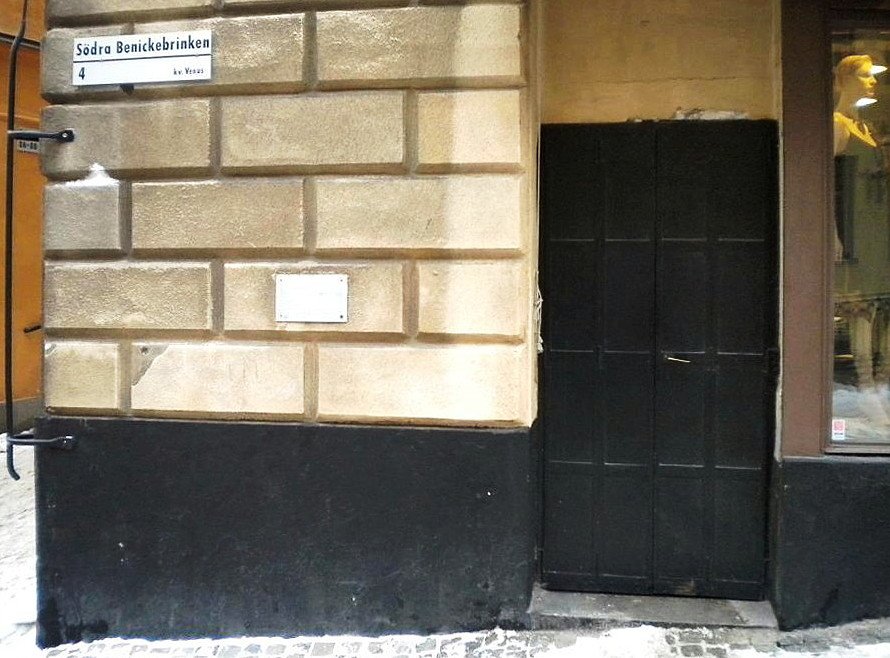
- Brick Vaults Accessible via Benickebrinken 4, these cellars once sheltered travelers and now serve as evocative reminders of the monastery’s past.
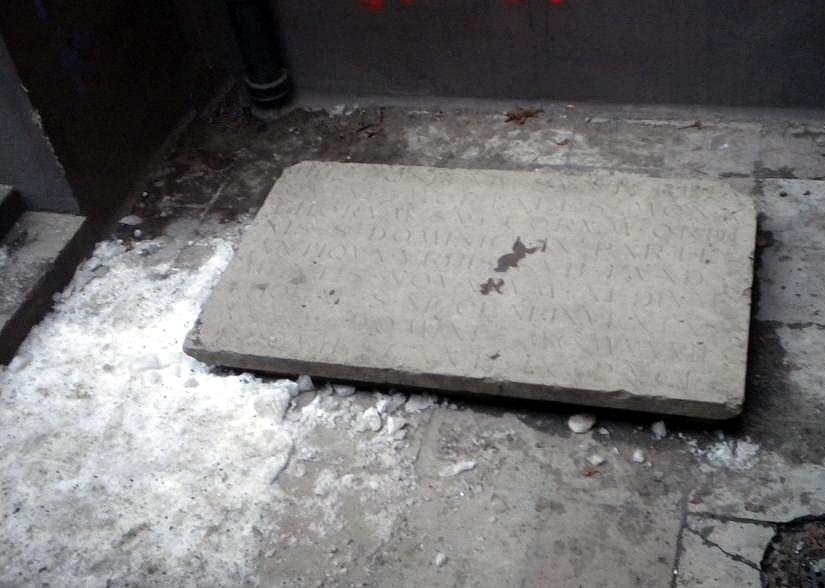
- Archaeological Floor at Tyska stallplan 1 A well-preserved medieval brick floor, uncovered through archaeological excavations.
- Cemetery Evidence Human remains from the monastery’s burial grounds have been discovered, revealing centuries of history beneath Gamla Stan’s streets.
Interpretive plaques and guided tours provide historical context, making these sites both educational and immersive. (nordstjernan.com)
Visiting Hours and Ticketing
- Monastery Vaults Accessible by guided tour only, typically from Tuesday to Sunday, 10:00–16:00. Check schedules on the Museum of Medieval Stockholm’s website.
- Tickets Required for guided tours. Standard prices are around SEK 100–120 for adults, with discounts for seniors and students. Children under 18 often enter free. Tickets can be purchased online or at the museum.
- Ruins at Prästgatan 27 These outdoor remains are accessible 24/7 and free to visit.
Accessibility
Due to their age, the vaults have narrow stairs and uneven surfaces, limiting accessibility for visitors with mobility challenges. The Museum of Medieval Stockholm is wheelchair accessible. Contact the museum in advance for details on accommodations.
Getting There
Located in Stockholm’s Gamla Stan, the monastery sites are just a 10-minute walk from Stockholm Central Station. The area is easily reached by metro (Gamla Stan station) and several bus lines. The cobblestone streets are best navigated on foot.
Nearby Attractions
Enhance your visit by exploring:
- Storkyrkan Cathedral
- Nobel Museum
- The Royal Palace
All are within easy walking distance in Gamla Stan.
Special Tours & Events
The Museum of Medieval Stockholm and Stockholm City Museum offer themed tours and occasional events focusing on the Black Friars’ Monastery, medieval life, and local legends. Check museum websites for current offerings and special programs. (su.se)
Visitor Tips & Photo Spots
- Best Photo Opportunities The atmospheric brick arches in the vaults and the exposed floor at Tyska stallplan 1.
- Timing Visit early in the day for fewer crowds.
- Footwear Wear comfortable shoes for cobblestone streets and uneven surfaces.
- Respect Privacy Parts of Gamla Stan are residential; be mindful when photographing.
Frequently Asked Questions (FAQ)
Q: Can I visit independently? A: The vaults require a guided tour; outdoor ruins at Prästgatan 27 are always accessible.
Q: Are tickets required? A: Yes, for guided tours. Outdoor ruins are free.
Q: Is the site suitable for children? A: Yes. Children under 18 are usually admitted free; the site offers educational materials.
Q: Is photography allowed? A: Photography is generally permitted; check with guides for specifics.
Preservation and Research
Ongoing archaeological research and preservation efforts by the Museum of Medieval Stockholm and the Stockholm City Museum ensure that these medieval remains are protected and interpreted for future generations. New findings continue to shed light on the monastery’s history and its place in Stockholm’s development. (nordstjernan.com)
Plan Your Visit
- Location Benickebrinken 4, Tyska stallplan 1, and Prästgatan 27, Gamla Stan, Stockholm
- Admission Outdoor ruins—free; guided tours—ticketed
- Official resources Medeltidsmuseet, Stockholm City Museum, Visit Stockholm
For more detailed information, guided tour bookings, and updates on special events, visit the Museum of Medieval Stockholm’s official website.
Map of Black Friars’ Monastery Location
Summary and Final Tips
The Black Friars’ Monastery bridges past and present, offering a unique, immersive insight into medieval Sweden. Its preserved vaults and ruins, set among the winding alleys of Gamla Stan, provide a tangible connection to centuries of Stockholm’s history. Combine your visit with nearby attractions, join a guided tour for deeper understanding, and consider using digital resources like the Audiala app for self-guided experiences. For the latest updates, rely on official museum and tourism websites.
References and Further Reading
- Black Friars' Monastery Stockholm: History, Visiting Hours, Tickets & Tourist Guide (Museum of Medieval Stockholm)
- Explore Black Friars Monastery Stockholm: Visiting Hours, Tickets & Historical Insights (tmatic.travel)
- Visiting the Black Friars’ Monastery in Stockholm: History, Tickets, and Travel Tips (izi.travel)
- Black Friars’ Monastery Stockholm: Visiting Hours, Tickets & Historical Guide (Museum of Medieval Stockholm)
- Nordic News on Monastic History (nordstjernan.com)