Gründung und früher kolonialer Kontext
Die Heilige Dreifaltigkeitskirche Adelaide, oft auch als Trinity Church Adelaide oder Trinity City bezeichnet, ist das älteste Kirchengebäude Südaustraliens. Ihre Gründung im Jahr 1836 fällt mit der Gründung Adelaides selbst zusammen. Colonel William Light, der Generalvermesser der Stadt, wies der Kirche an der North Terrace Land zu, um die spirituellen Bedürfnisse der frühen Siedler zu erfüllen. Der Grundstein der Kirche wurde am 26. Januar 1838 von Gouverneur Hindmarsh gelegt. Die aus Kalkstein vom nahegelegenen River Torrens errichtete ursprüngliche bescheidene Gebäude wurde zu einem spirituellen und sozialen Anker für die junge Kolonie (Experience Adelaide).
Architektonische Entwicklung und Restaurierung
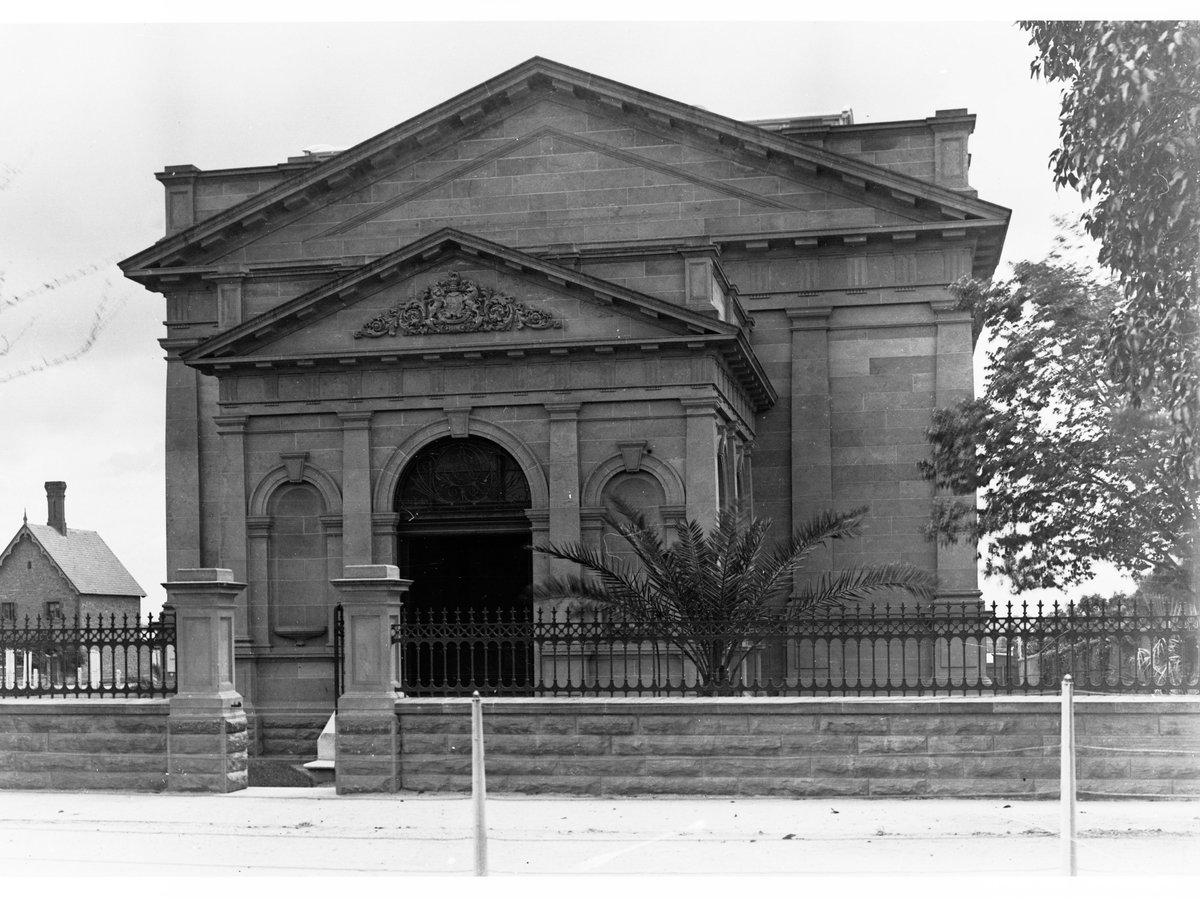
Die Architektur der Heiligen Dreifaltigkeit hat mehrere Wandlungen durchlaufen. Die ursprüngliche Struktur war ein einfaches Rechteck mit einem Strohdach. 1844 ersetzten Reparaturen das Dach durch Schiefer und fügten einen Glockenturm hinzu, was ihre Präsenz an der North Terrace verbesserte. In den 1880er Jahren wurde eine umfassende neugotische neugotische Umgestaltung vorgenommen, die Spitzbögen, Lanzettfenster und eine markante Spitze einführte, was viktorianische Trends widerspiegelte (Wanderlog). Erhaltungsbemühungen im 20. und 21. Jahrhundert haben das Mauerwerk stabilisiert, Buntglas restauriert und Innenräume für zeitgenössische Gottesdienste modernisiert.
Soziale und religiöse Rolle
Als erste anglikanische Kirche Südaustraliens war die Heilige Dreifaltigkeit das spirituelle und soziale Herz der Stadt. Sie war Schauplatz wichtiger Zeremonien für die frühen Siedler – Taufen, Hochzeiten, Beerdigungen – und gründete eine der ersten Schulen der Kolonie. Die zentrale Lage der Kirche ermöglichte es ihr, ein Zentrum für ökumenische und bürgerliche Veranstaltungen, soziale Wohlfahrt und gemeinnützige Programme zu werden (Experience Adelaide).
Bemerkenswerte Persönlichkeiten und Veranstaltungen
Die Heilige Dreifaltigkeit ist mit prominenten Persönlichkeiten wie Reverend Charles Howard und Reverend James Farrell verbunden, die ihre frühe Mission prägten. Die Kirche war 1847 Schauplatz der Konsekration von Augustus Short, dem ersten Bischof von Adelaide. Sie ist auch ein Ort für Gedenkfeiern, die wichtige Ereignisse wie die Weltkriege und das südaustralische Centenary commemorates commemoration commemorating commemoration commemoration commemoration commemorates commemoration commemoration commemoration commemoration commemorates commemoration commemorate commemorate commemorated commemorated commemorated commemorated commemorate commemorated commemor commemorated commemorated commemorates commemor commemorated commemorates commemor commemorate commemorating commemorates commemorate commemorates commemorates commemorate commemorate commemorates commemorate commemorated commemoration commemoration commemorated commemoration commemoration commemorated commemor commemorated commemorates commemorate commemorates commemorates commemor commemorated commemorate commemorates commemorate commemorate commemorated commemorated commemorated commemoration commemorates commemorates commemorate commemorated commemoration commemorated commemorated commemoration commemorated commemorated commemoration commemorated commemorates commemorated commemorated commemoration commemorated commemorated commemorated commemoration commemorating commemoration commemorates commemorate commemorated commemorate commemorates commemorated commemorated commemorate commemorates commemorate commemorated commemoration commemorating commemoration commemorated commemorating commemorates commemorated commemorates commemorated commemorated commemorate commemorated commemorate commemorated commemoration commemorated commemorated commemorated commemorated commemorated commemoration commemorated commemorated commemorated commemoration commemorated commemoration perpetuated commemorates commemorated commemorates commemorates commemorated commemorates commemorated commemoration commemorated commemorates commemorates commemorates commemorated commemorated commemorated commemorated commemorated commemoration commemorated commemorated commemorated commemorated commemoration commemorates commemorated commemorated commemorated commemorated commemorated commemorated commemorated commemorated commemorated commemoration commemorating commemorated commemorates commemorated commemorated commemorates commemorated commemorated commemorated commemorated commemorated commemorated commemorate commemorated commemorates commemorates commemorated commemorated commemorated commemorates commemorated commemorated commemoration commemorates commemorated commemorated commemorated commemorated commemorated commemoration commemorated commemorated commemorated commemorated commemorated commemorated commemorated commemorated commemorated commemorated commemorated commemorated commemorated commemorated commemorated commemorated commemorated commemorated commemorated commemorated commemorated commemorated commemoration commemorated commemorated commemorated commemorated commemorated commemorated commemoration commemorated commemorated commemorated commemorated commemorated commemorated commemorated commemorated commemorated commemorated commemorated commemorated commemorated commemorated commemorated commemorated commemorated commemorated commemorated commemorated commemoration commemorates commemorate commemorated commemorated commemorates commemorated commemorated commemorated commemorated commemorated commemorates commemorated commemorated commemorated commemorate commemorated commemorated commemorative commemorated commemorative commemorated commemorated commemorated commemorated commemorated commemorated commemorated commemoration commemorated commemorated commemorated commemorated commemorated commemorated commemorates commemorated commemorated commemorated commemorates commemorated commemorated commemorated commemorated commemorated commemoration commemorates commemorated commemorated commemorated commemorated commemorated commemorated commemorated commemorated commemorated commemorated commemorated commemorated commemorated commemorated commemorated commemoration commemorated commemorated commemorated commemorated commemorated commemorates commemorated commemorated commemorated commemorated commemorated commemorated commemorated commemorated commemorated commemorated commemorated commemorated commemorated commemorated commemorated commemorates commemorates commemorates commemorated commemorated commemorated commemorated commemorated commemorated commemorated commemorated commemorated commemorated commemorated commemorated commemorated commemorated commemorated commemorated commemorated commemorated commemorated commemorated commemorated commemorated commemorated commemorated commemorated commemorated commemorated commemorated commemorated commemorated commemorated commemorated commemorated commemorated commemorated commemorated commemorated commemorated commemoration commemorated commemorated commemorated commemorates commemoration commemorated commemorated commemorated commemorated commemorated commemorated commemorated commemorated commemorated commemorated commemorated commemorated commemorated commemorated commemorates commemorated commemorated commemorates commemorated commemorated commemorated commemorated commemorated commemorated commemoration commemorates commemorated commemorated commemorates commemorated commemorates commemorated commemorated commemorated commemorated commemorated commemorated commemorated commemorated commemorated commemorated commemorated commemorated commemorated commemorated commemorated commemorated commemorated commemorated commemorated commemorated commemorated commemorated commemorated commemorated commemorated commemorated commemorated commemorated commemorated commemorated commemorated commemorates commemorate commemorated commemorated commemorating commemorated commemorate commemorated commemoration commemorated commemorated commemorated commemorated commemorated commemorates commemorated commemoration commemorated commemoration commemorating commemoration commemorating commemorated commemoration commemorating commemorated commemoration commemorates commemorate commemorated commemoration commemorates commemorated commemorated commemorated commemorated commemorated commemorated commemorated memorial services commemorating major events including the World Wars und Südaustraliens Centenary.
Denkmalschutz und Erhaltungsmaßnahmen
Die Heilige Dreifaltigkeitskirche ist als denkmalgeschütztes Objekt im Südaustralischen Register der Denkmäler geschützt, was sorgfältige Restaurierungs- und Erhaltungsmaßnahmen gewährleistet. Regierungsstellen und die Gemeinschaft unterstützen Erhaltungsbemühungen, einschließlich Restaurierung der Spitze, Erhaltung des Mauerwerks und Informationsdisplays für Besucher (Wanderlog).
Besucherinformationen
Öffnungszeiten und Eintritt
- Allgemeine Besuchszeiten Montag bis Freitag, 9:00 – 16:00 Uhr; Sonntag, 8:30 – 19:30 Uhr. Die Zeiten können an Feiertagen und während Sonderveranstaltungen variieren (Trinity City Visit).
- Eintritt Der Eintritt ist frei. Spenden sind willkommen.
- Führungen Führungen sind auf Anfrage an Wochentagen und während Sonderveranstaltungen verfügbab, dauern normalerweise 45 Minuten.
- Barrierefreiheit Die Kirche ist rollstuhlgerecht, mit Rampenzugang von der North Terrace und barrierefreien Toiletten.
Anreise und Reisetipps
Die Heilige Dreifaltigkeit befindet sich zentral in der 88 North Terrace, in der Nähe des Bahnhofs Adelaide und nur wenige Gehminuten von wichtigen kulturellen Institutionen wie der Art Gallery of South Australia und der State Library entfernt. Öffentliche Verkehrsmittel sind bequem, und Parkplätze sind in nahegelegenen städtischen Einrichtungen verfügbar. Besucher werden aufgefordert, die Website der Kirche für Aktualisierungen und Buchungen von Führungen zu prüfen.
Besucherverhalten
Fotografien sind außerhalb von Gottesdiensten und privaten Veranstaltungen erlaubt; Blitzlicht, Stative und kommerzielle Fotografie bedürfen der Genehmigung. Besucher sollten sich bescheiden kleiden und ein respektvolles Auftreten wahren, insbesondere während der Gottesdienste.
Architektonische und künstlerische Höhepunkte
- Viktorianisches Gotik-Design Mit Spitzbogenfenstern, Strebemauern und einem markanten Turm mit der Vulliamy-Uhr (State Library of South Australia).
- Buntglasfenster aus der Zeit Wilhelms IV. Eines der ältesten Buntglasfenster Südaustraliens, importiert 1836 (Wikipedia).
- Historische Glocke Gegossen 1836, immer noch betriebsbereit.
- Originalausstattung Einfache Holzbänke und der historische Abendmahlstisch.
- Gedenktafeln Geschichten von Adelaides frühen Siedlern und bedeutenden Persönlichkeiten.
Erbe und Erhaltungsmaßnahmen
Die Heilige Dreifaltigkeit ist im Südaustralischen Denkmalregister und im früheren Register des Nationalen Erbes aufgeführt, was ihre architektonische und historische Bedeutung unterstreicht. Restaurierungsprojekte verwenden passende Materialien, um den Charakter der Kirche zu erhalten und ihr Überleben für zukünftige Generationen zu sichern (Wikipedia; Adelaide City Tour).
Gemeinschaftsengagement und Gottesdienste
Die Heilige Dreifaltigkeit unterhält eine aktive Gemeinde und bietet einen vollen wöchentlichen Gottesdienstplan (Sonntags um 9:00, 10:45 und 18:00 Uhr), Gemeindeversammlungen, Konzerte und Bildungsprogramme (Trinity Church Service Times). Die Kirche ist die Mutterkirche des Trinity Network, das mit anderen Gemeinden in Südaustralien zusammenarbeitet (Trinity Network).
Nahe gelegene Sehenswürdigkeiten
Die Lage der Kirche an der North Terrace bringt sie in die Nähe vieler der wichtigsten kulturellen und historischen Stätten Adelaides, darunter die Art Gallery of South Australia, das South Australian Museum und das Adelaide Oval (South Australian Tourism). Besucher können einen Kirchenbesuch leicht mit einer breiteren heritage tour verbinden.
Häufig gestellte Fragen (FAQ)
F: Was sind die Besuchszeiten der Heiligen Dreifaltigkeitskirche Adelaide? A: Montag bis Freitag, 9:00 – 16:00 Uhr; Sonntag, 8:30 – 19:30 Uhr. Die Zeiten können an Feiertagen und während Sonderveranstaltungen abweichen.
F: Gibt es Eintrittspreise oder sind Tickets erforderlich? A: Nein. Der Eintritt ist frei; Spenden sind willkommen.
F: Sind Führungen verfügbar? A: Ja, auf Anfrage an Wochentagen und während Sonderveranstaltungen.
F: Ist die Kirche rollstuhlgerecht? A: Ja, mit Rampenzugang und barrierefreien Toiletten.
F: Darf man fotografieren? A: Fotografien sind außerhalb von Gottesdiensten und privaten Veranstaltungen gestattet. Blitz und Stative bedürfen der Genehmigung.