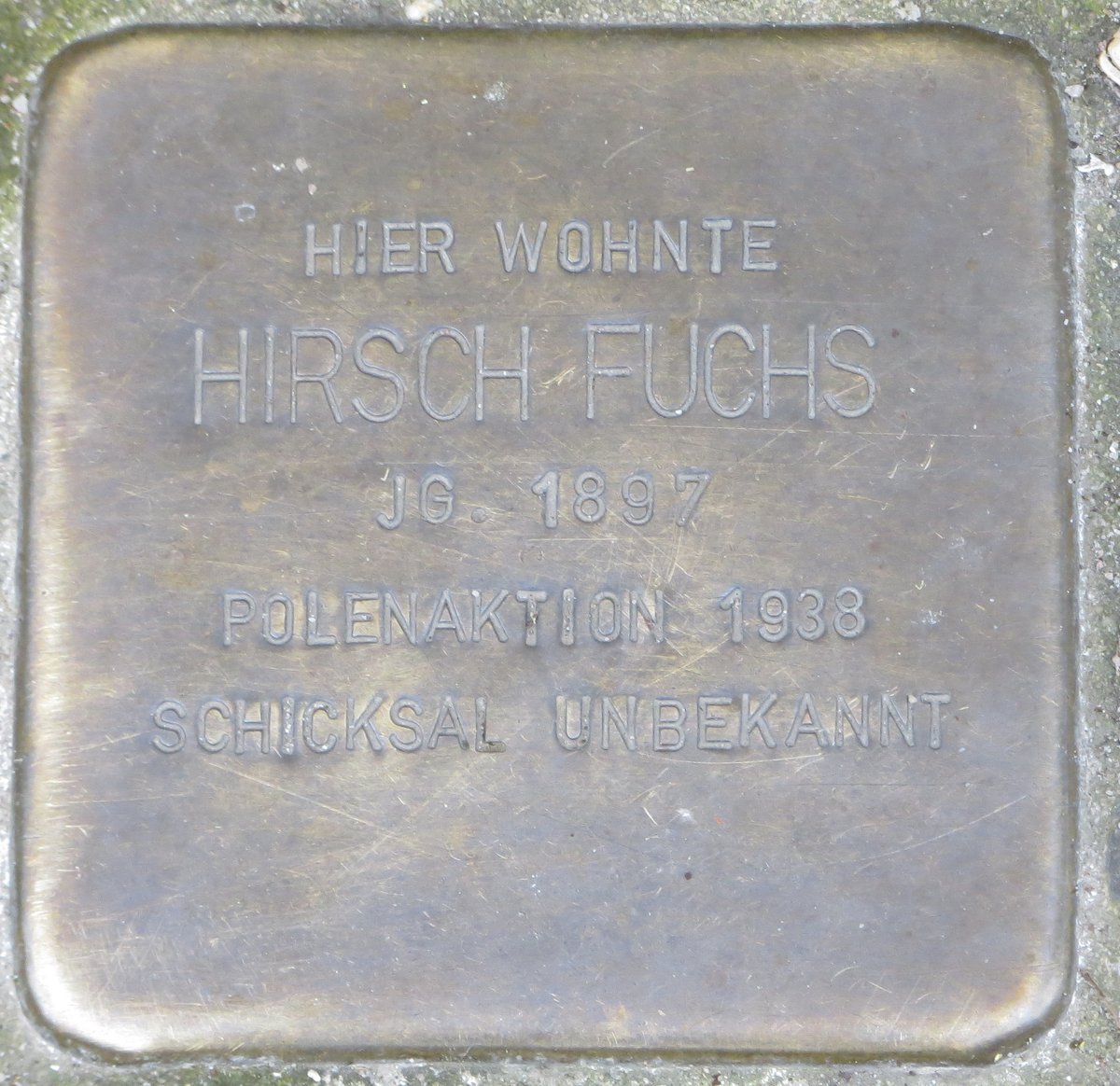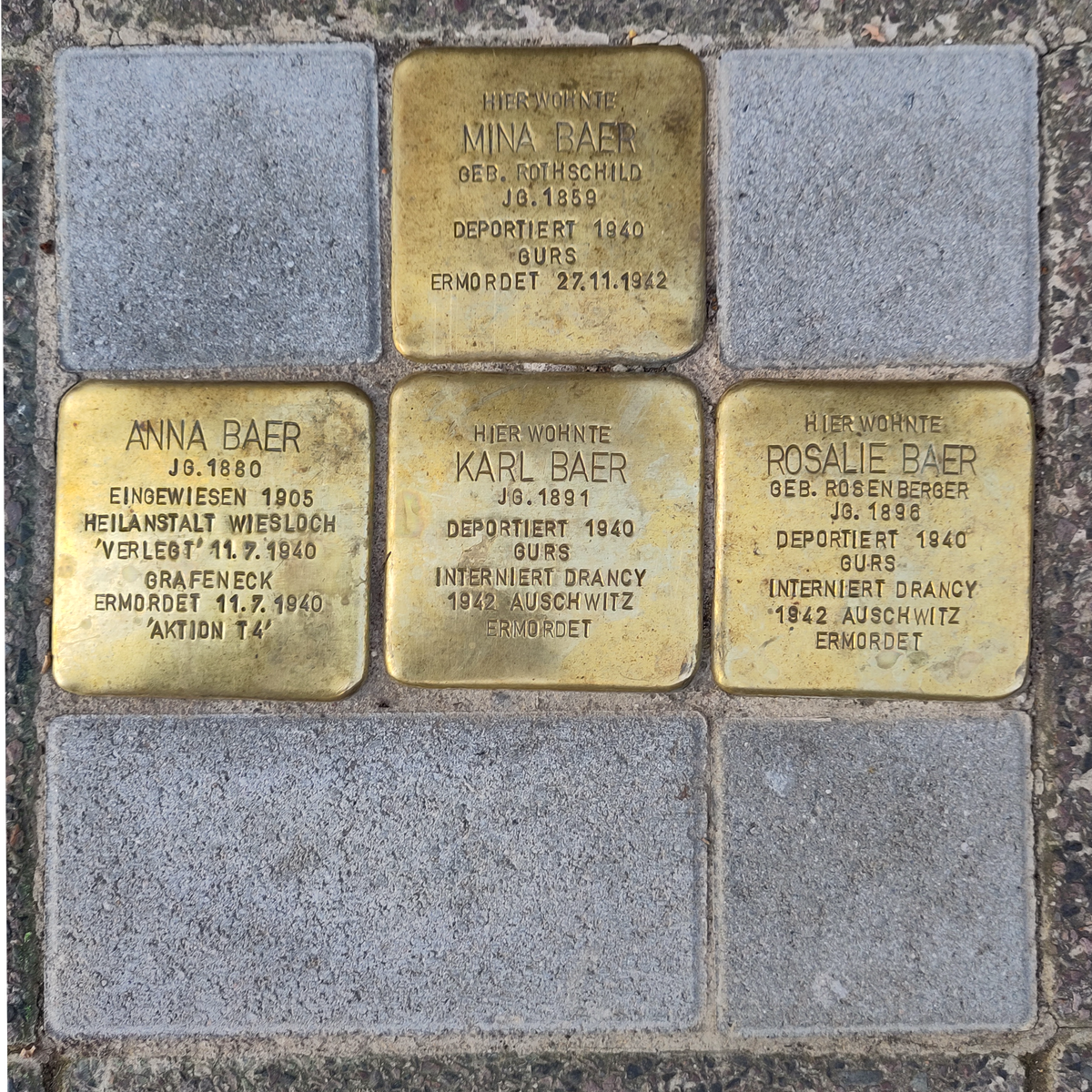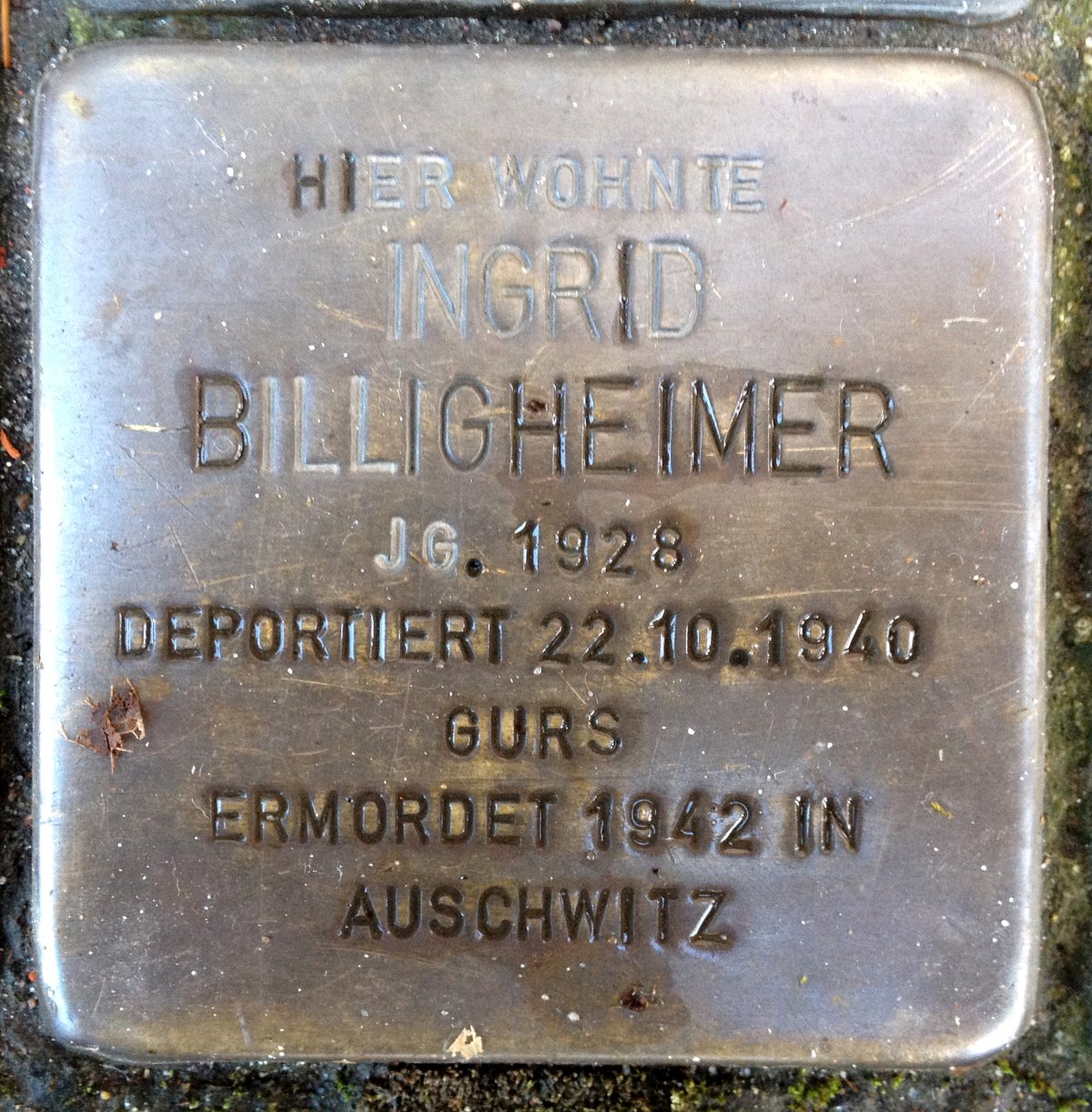

program. The Stolpersteine for Karl Baer and his family were installed in 2023 at Schnetzlerstraße 4 in Karlsruhe, marking their last residence before deportation (ka-news.de).
Broader Context
The Baer family’s story reflects the systematic persecution of Jewish families under Nazi rule. Their Stolpersteine serve as a tangible reminder of the individuals behind the statistics, emphasizing the personal toll of the Holocaust.
4. The Stolperstein for Karl Baer: Location and Description
Exact Location
The Stolperstein dedicated to Karl Baer is located at Schnetzlerstraße 4, 76137 Karlsruhe, embedded in the sidewalk in front of the building where he and his family last lived freely.
Physical Description
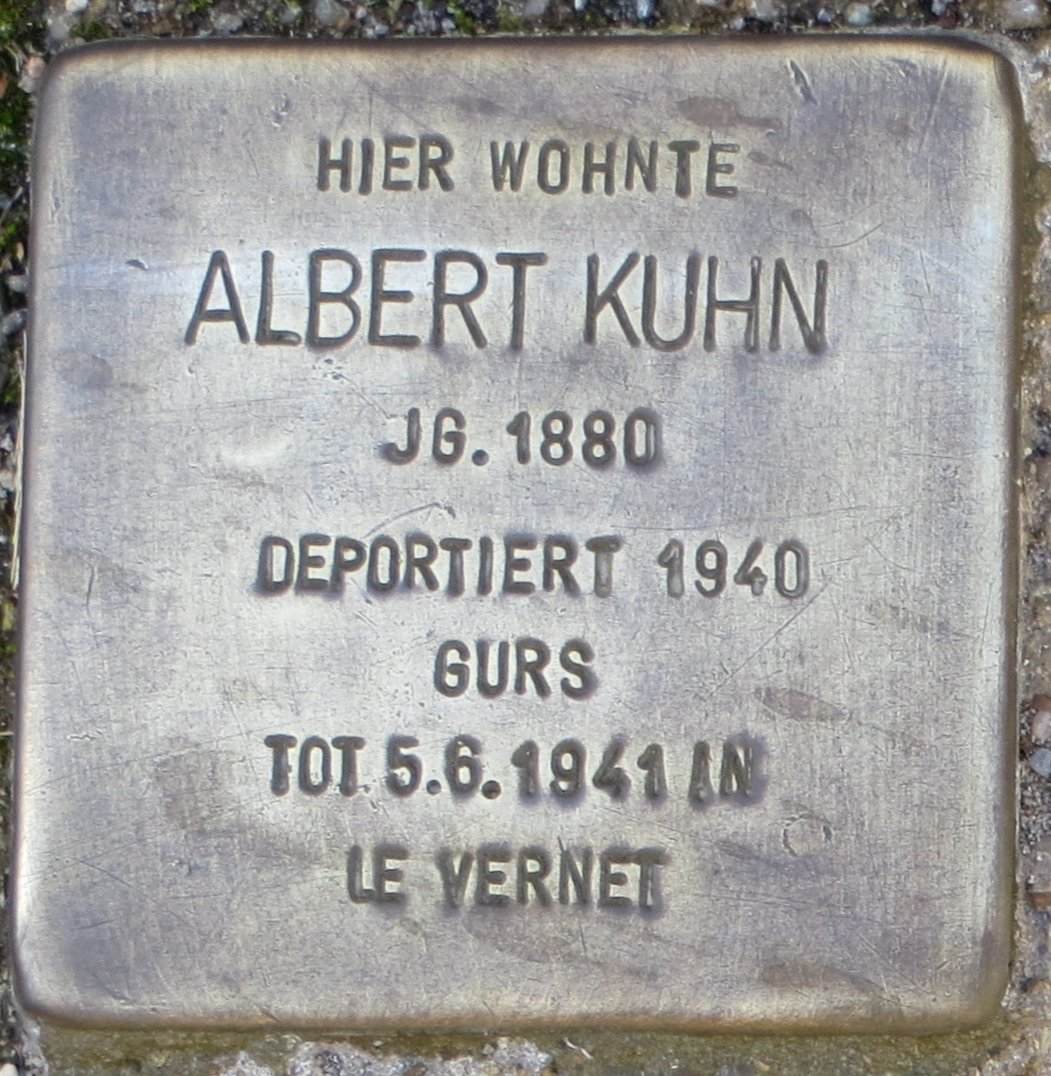
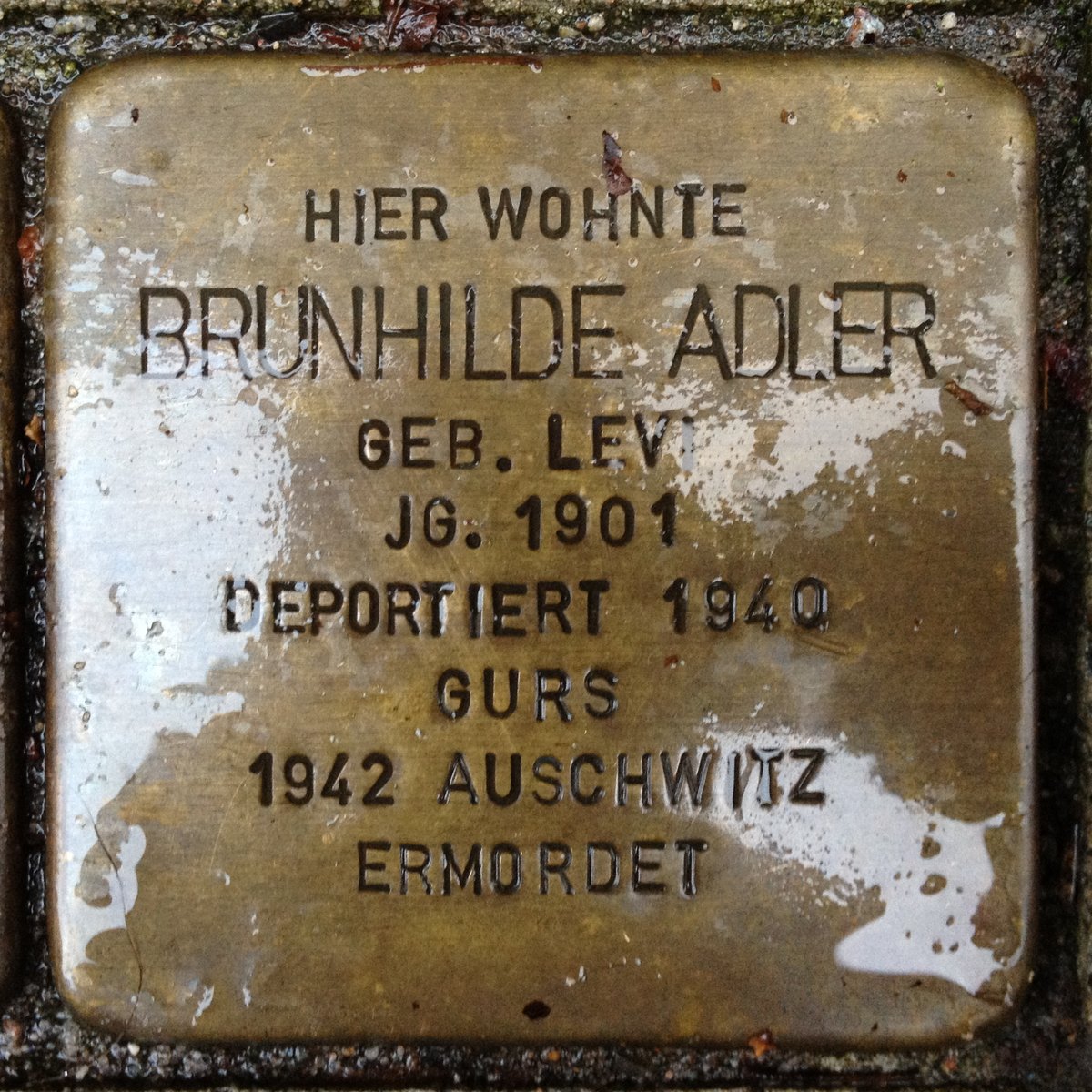
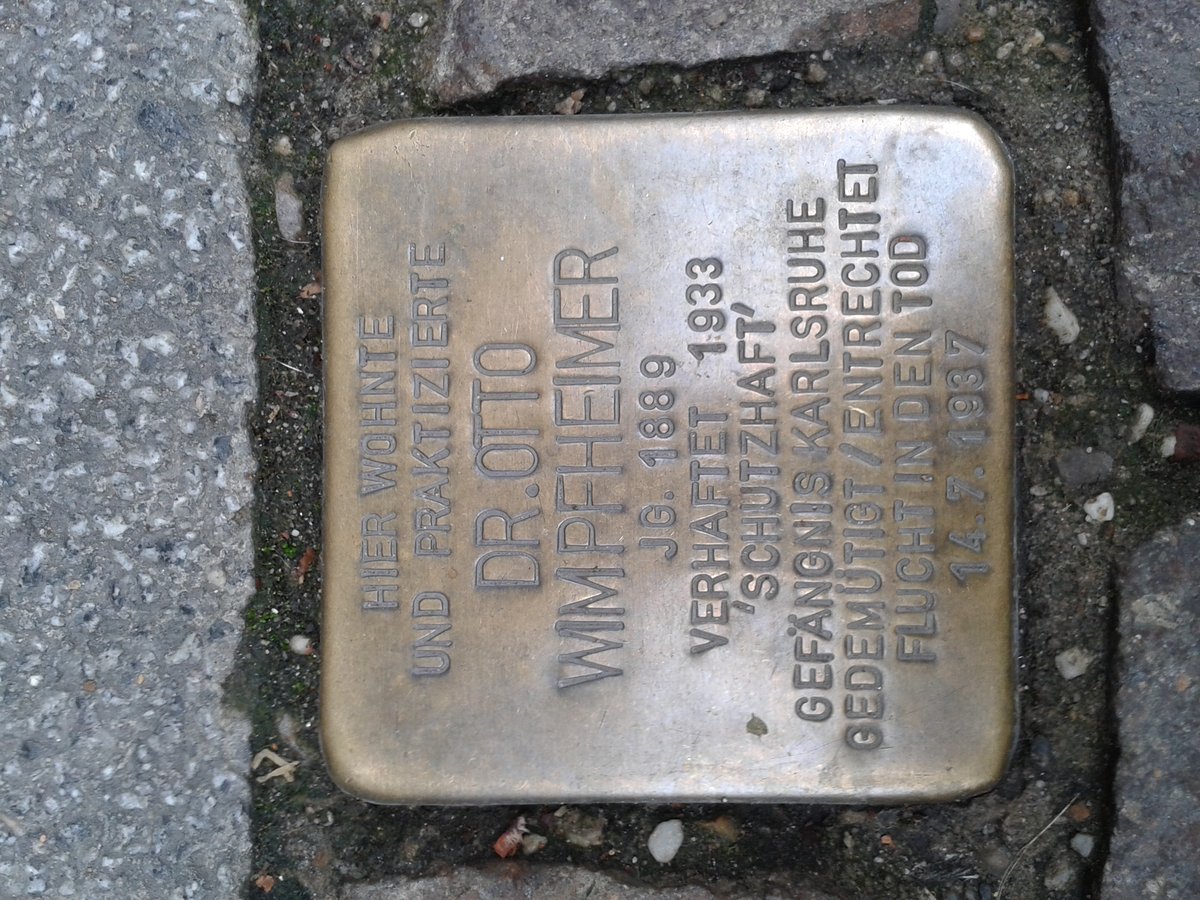
Each Stolperstein is a 10 cm × 10 cm brass plaque set into a concrete cube. The inscription reads:
- Hier wohnte (Here lived)
- Karl Baer
- Jg. [birth year]
- Deportiert [date of deportation]
- Ermordet in Auschwitz (Murdered in Auschwitz)
The brass surface is polished to a shine, contrasting with the pavement and drawing attention. Over time, weathering darkens the brass, but locals often clean and maintain the stones (Stolpersteine.eu).
5. Cultural and Educational Significance
A Decentralized Memorial
Unlike traditional monuments, Stolpersteine integrate remembrance into daily life. By placing them where victims last lived, the project forces confrontation with history in mundane spaces—sidewalks, neighborhoods, and cities.
Educational Outreach
Karlsruhe schools and community groups actively research victims’ biographies, sponsor stones, and participate in installation ceremonies. This hands-on engagement fosters a deeper connection to local history (Stolpersteine Karlsruhe).
Symbol of Resilience
Karl Baer’s Stolperstein also highlights the intersection of Jewish and LGBTQ+ persecution, as Baer was an intersex activist. This dual identity underscores the Nazis’ broad targeting of marginalized groups (Making Queer History).
6. Visiting the Stolperstein: Practical Information
Accessibility
- Open 24/7, no tickets or reservations needed.
- Public Transport Tram/Bus to Südweststadt district.
- Wheelchair Accessible Flat pavement, though watch for uneven surfaces.
Visitor Etiquette
- Pause and read the inscription quietly.
- Place a small stone or flower (Jewish tradition) without blocking the walkway.
- Photography Permitted, but be respectful of residents.
- Polishing the brass Use a soft cloth if desired.
Nearby Attractions
- Karlsruhe Palace 15-minute walk.
- Jewish Museum Karlsruhe Exhibits on local Jewish history.
- Other Stolpersteine Use the Stolpersteine Guide app to locate more.
7. Additional Memorial Sites in Karlsruhe
- Memorial at the Deportation Station (Hauptbahnhof): Marks where victims were forcibly transported.
- Synagogue Memorial Plaque Commemorates the destroyed Jewish community center.
8. Conclusion
The Stolperstein for Karl Baer is a powerful, personal memorial that connects visitors to Karlsruhe’s history. By engaging with this site and others like it, we honor individual lives and reaffirm the vow: Never Again.
Plan Your Visit:
- Download the Stolpersteine Guide app.
- Explore Karlsruhe’s Holocaust memorials with the Audiala app for guided tours.