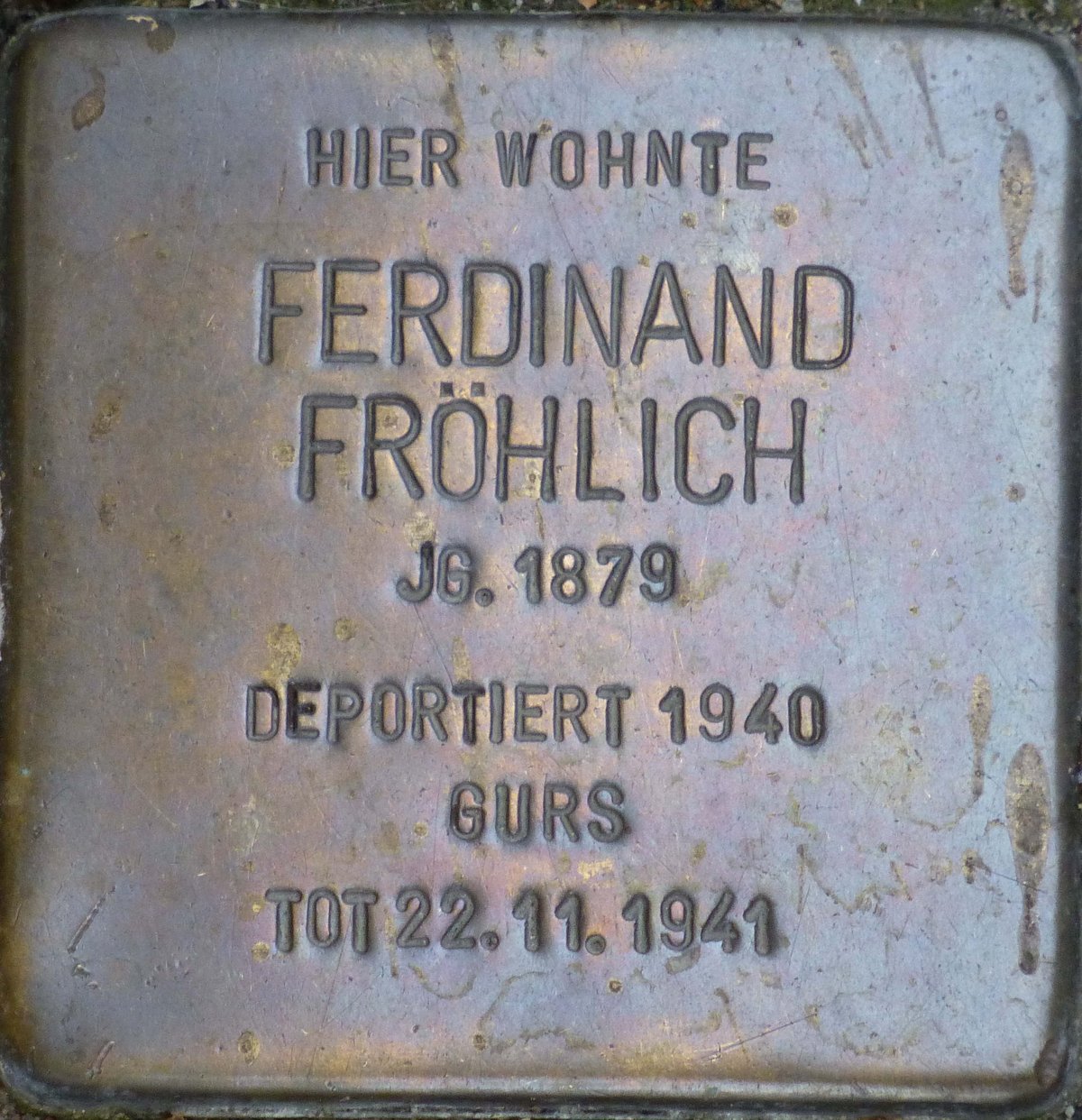

on November 22, 1941, at the age of 62 (Bundesarchiv Gedenkbuch; Yad Vashem). His Stolperstein in Karlsruhe ensures that his name and story remain part of the city’s living memory.
3. The Stolpersteine Project: Origins and Purpose
3.1 Concept and Creator
The Stolpersteine project was initiated by German artist Gunter Demnig in the early 1990s as a decentralized memorial to Holocaust victims. The first stones were laid in Cologne in 1992, inspired by the Talmudic idea that "a person is only forgotten when their name is forgotten" (Stolpersteine.eu).
3.2 Design and Symbolism
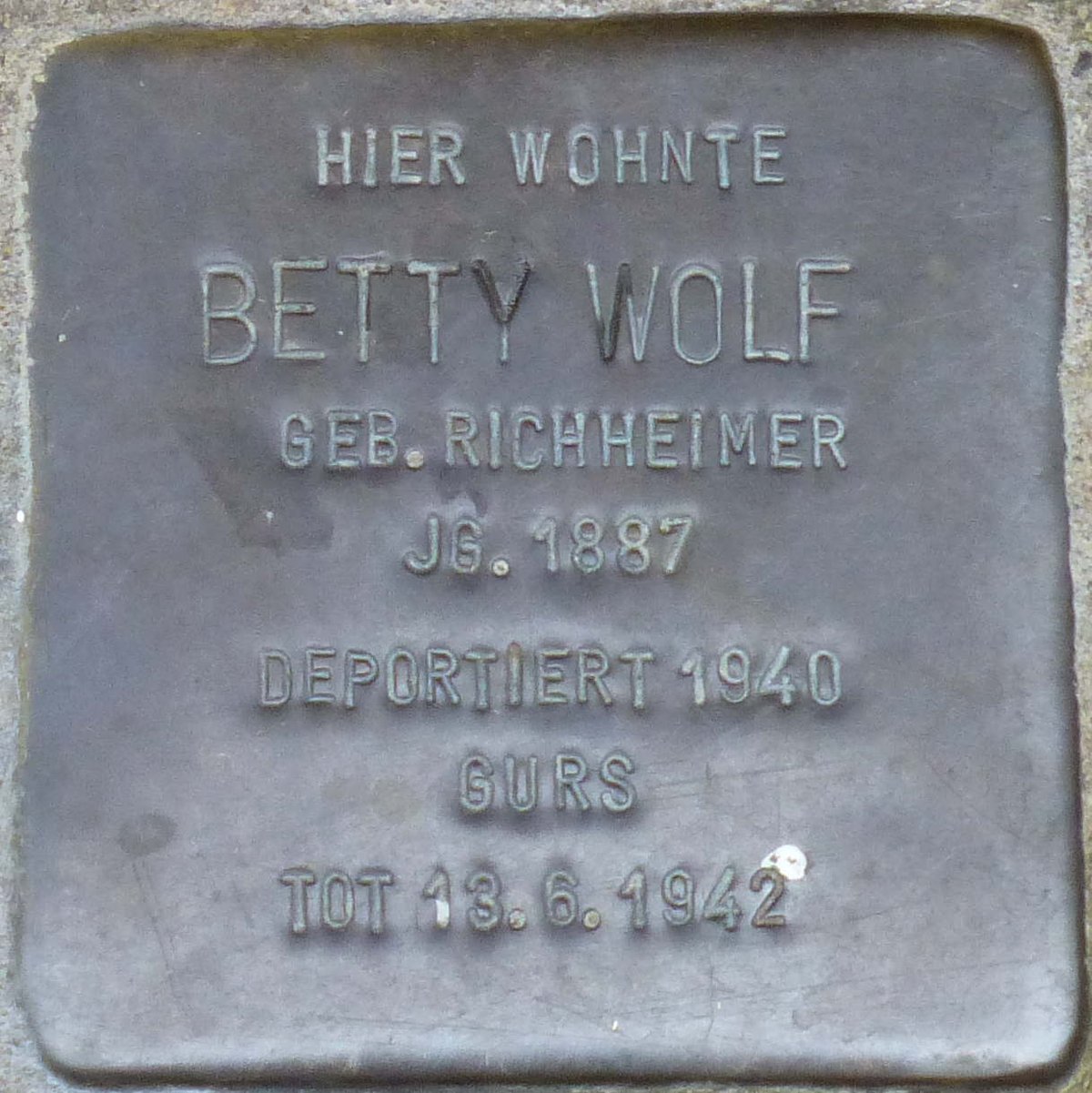
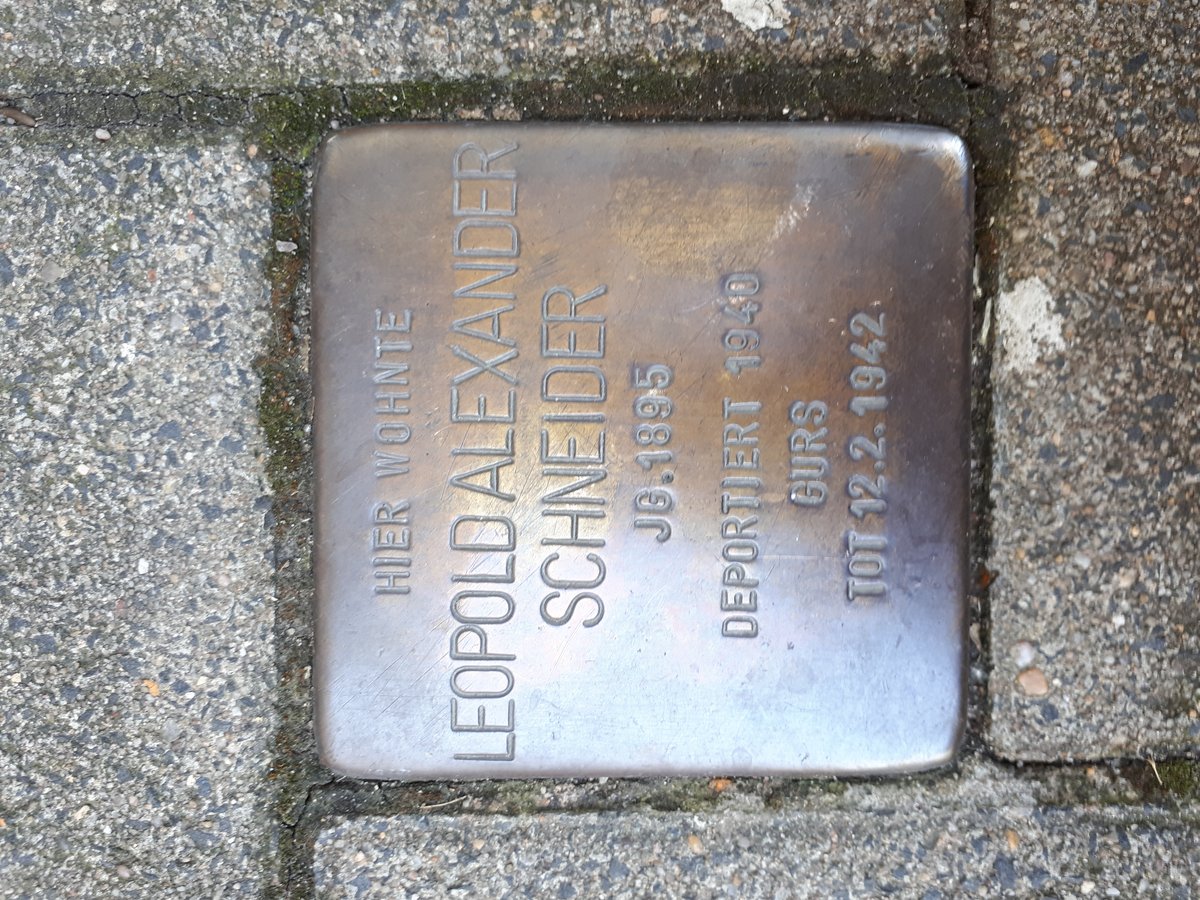
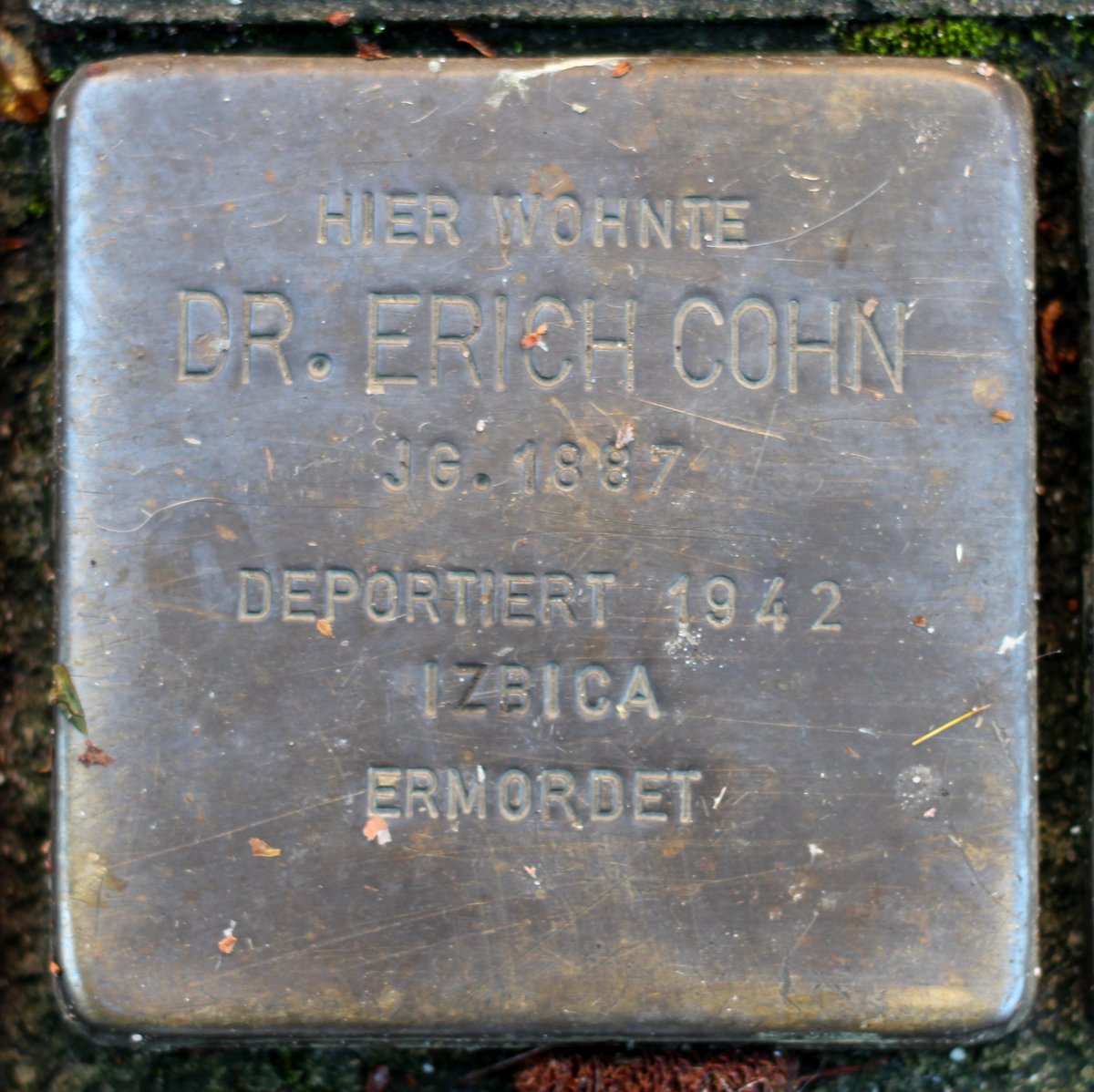
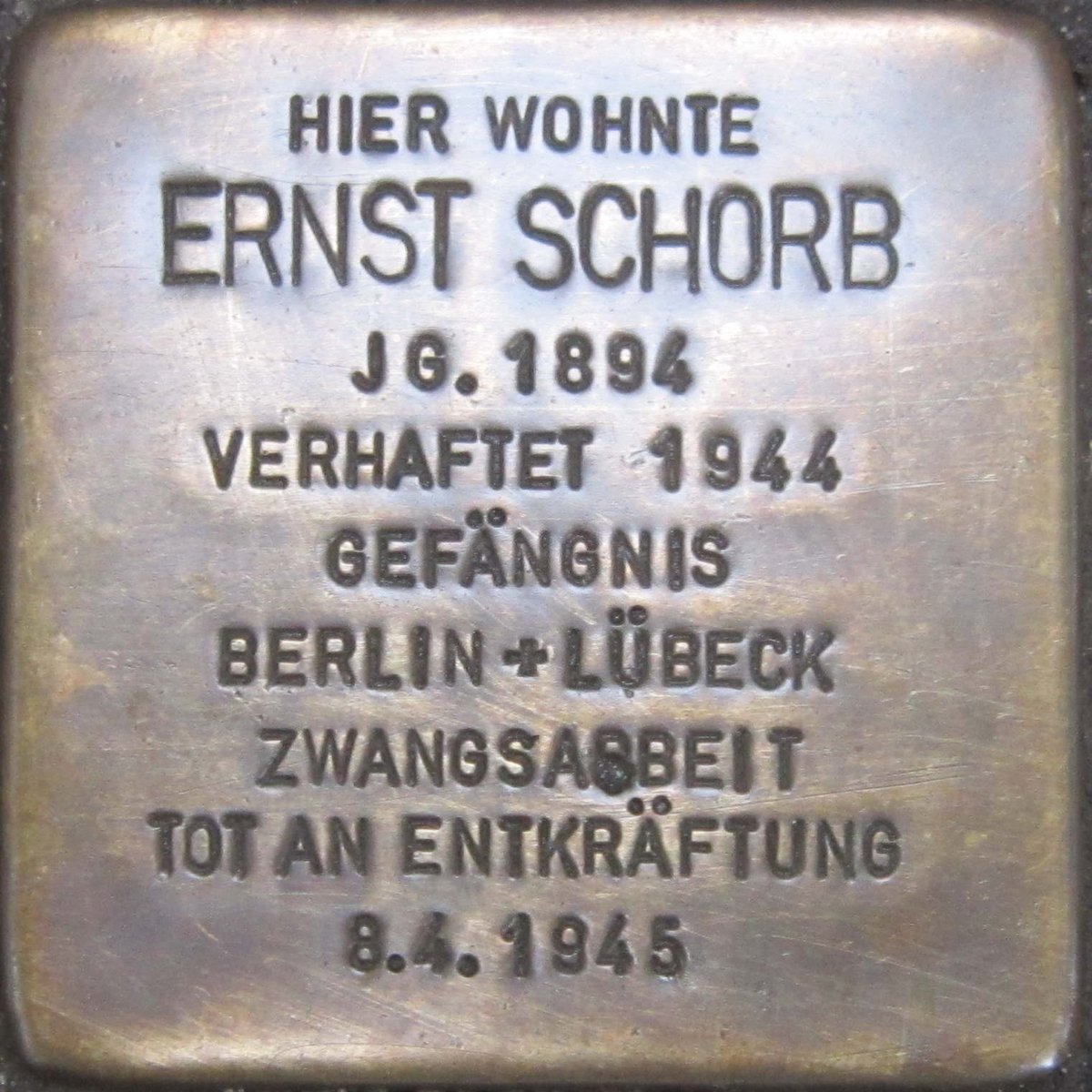
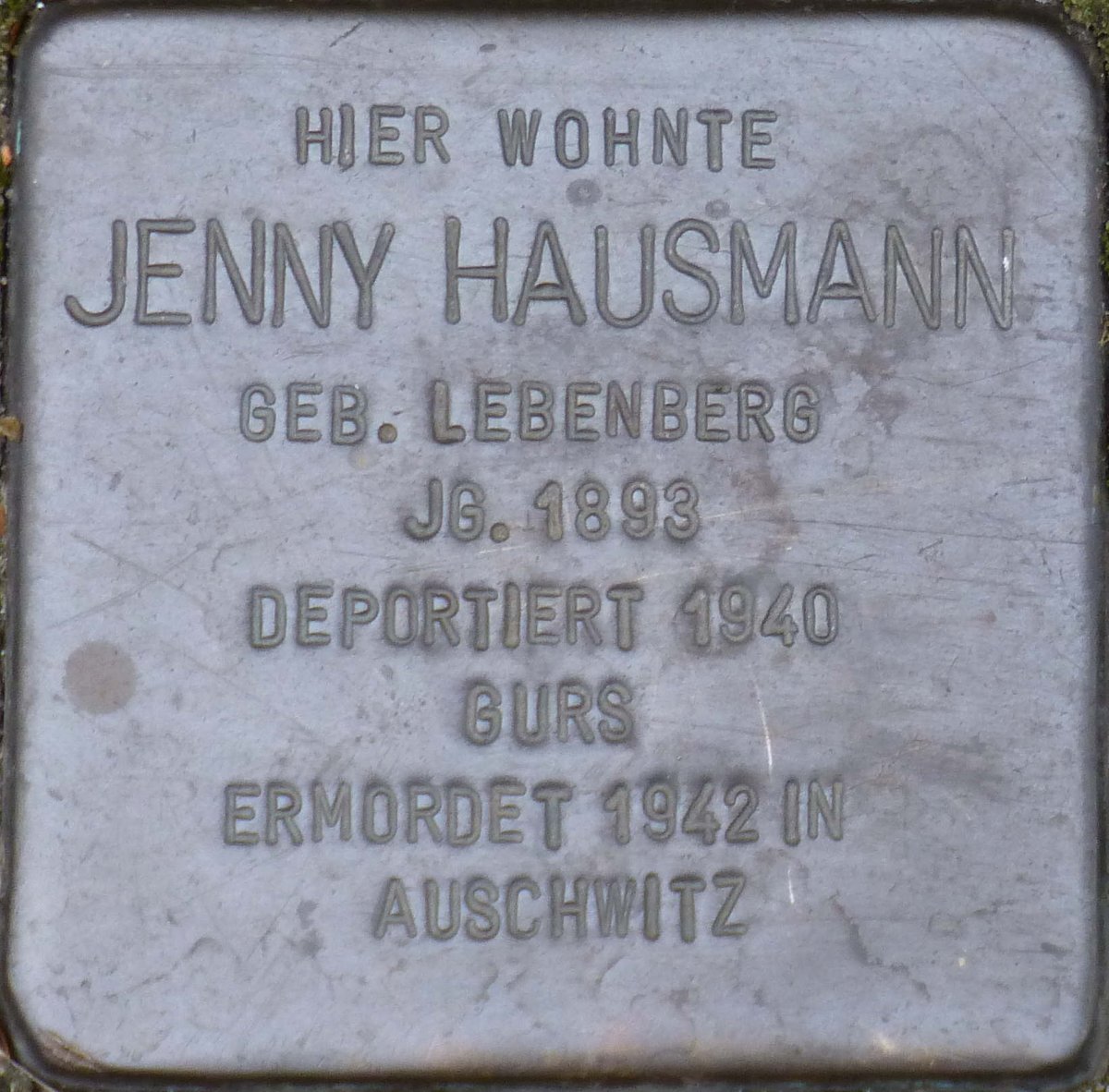
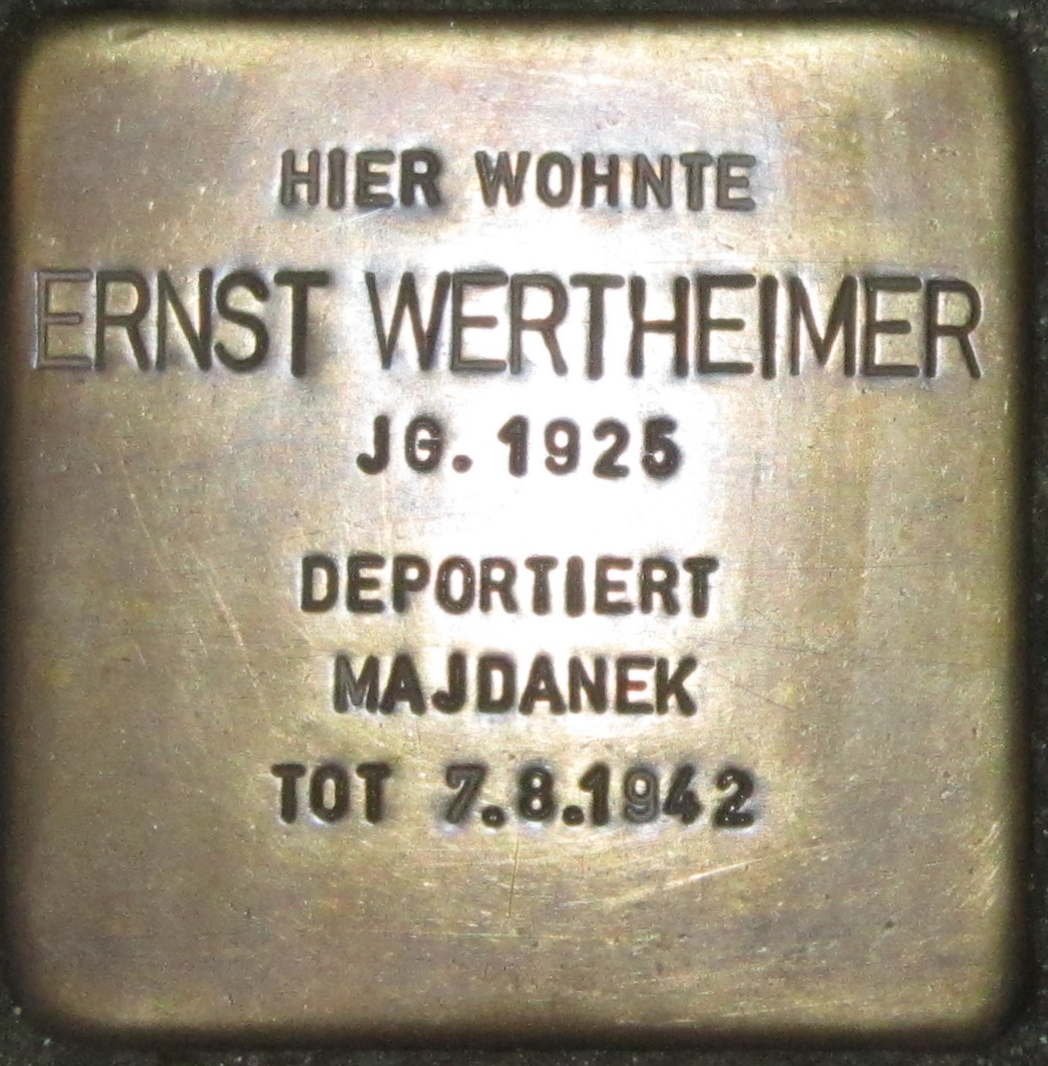
Each Stolperstein is a 10x10 cm brass plaque set into a concrete cube, inscribed with the victim’s name, birth year, deportation date, and fate. Installed at their last known residence, these stones "stumble" into public consciousness, transforming sidewalks into sites of reflection (PragueViews).
3.3 Global Reach
Today, over 100,000 Stolpersteine exist across Europe, making it the world’s largest decentralized Holocaust memorial. Karlsruhe alone hosts more than 300 stones, including Ferdinand Fröhlich’s (KA.Stadtwiki).
4. Visiting the Ferdinand Fröhlich Stolperstein
4.1 Location
- Address Kaiserstraße 34, Karlsruhe (near the entrance).
- Accessibility 24/7, free, wheelchair-friendly.
4.2 Etiquette
- Pause to read the inscription.
- Leave a small stone or flower (Jewish mourning tradition).
- Photography is permitted but respectful.
4.3 Nearby Attractions
- Karlsruhe Synagogue A modern center of Jewish life.
- Memorial to Nazi Victims At the Platz der Märzgefallenen.
- Karlsruhe Palace Explore the city’s Baroque history.
5. Conclusion
The Stolperstein for Ferdinand Fröhlich is more than a memorial—it’s an invitation to remember, reflect, and resist forgetting. By visiting, you honor his life and contribute to Karlsruhe’s ongoing dialogue with history.