in the Saint-Cyprien camp in France. On September 11, 1942, he was deported to Auschwitz, where he was murdered (de.wikipedia.org; juden-in-sulzburg.de).
The Stolpersteine Project: Origins and Purpose
Concept and Artistic Vision
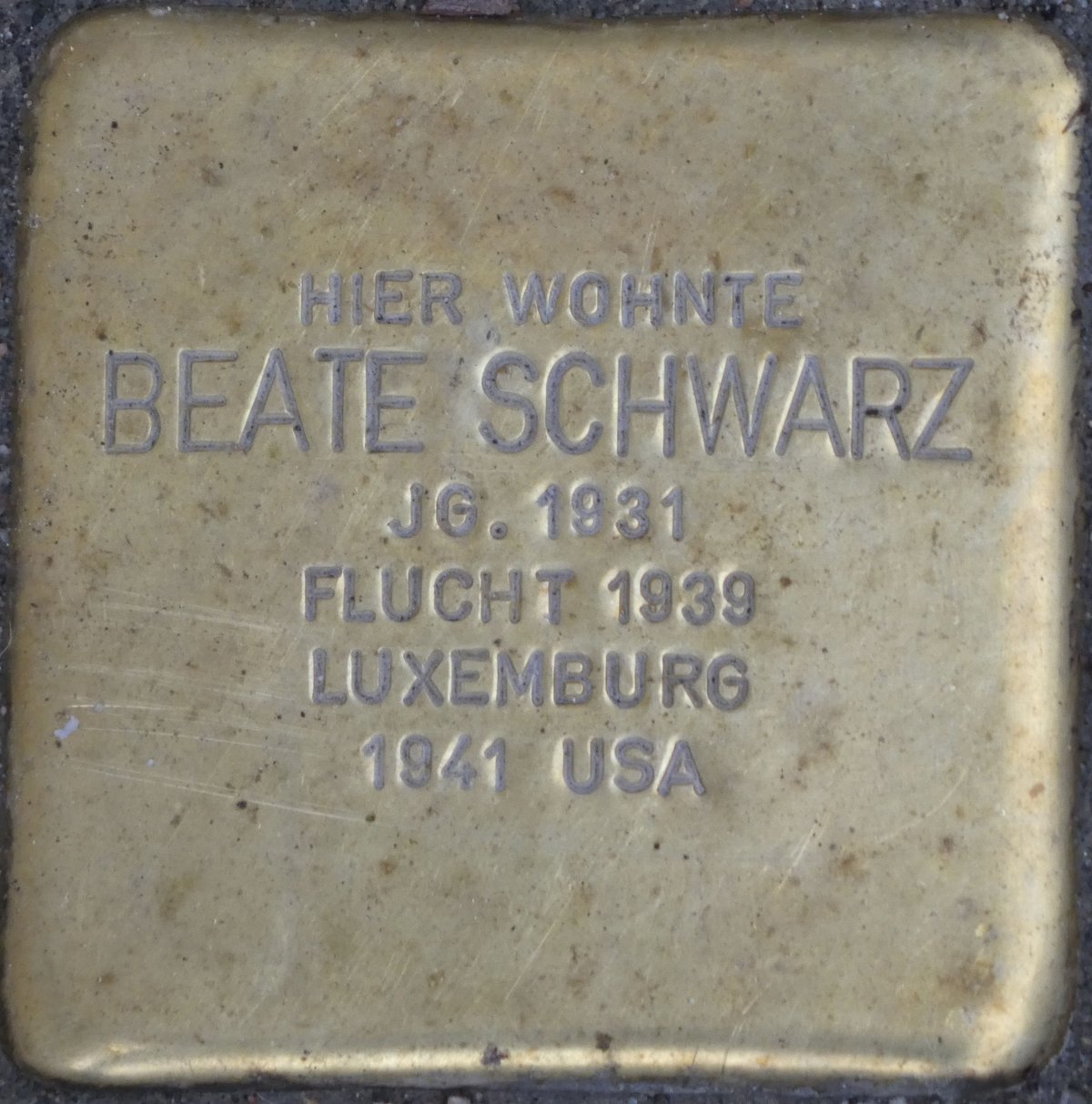
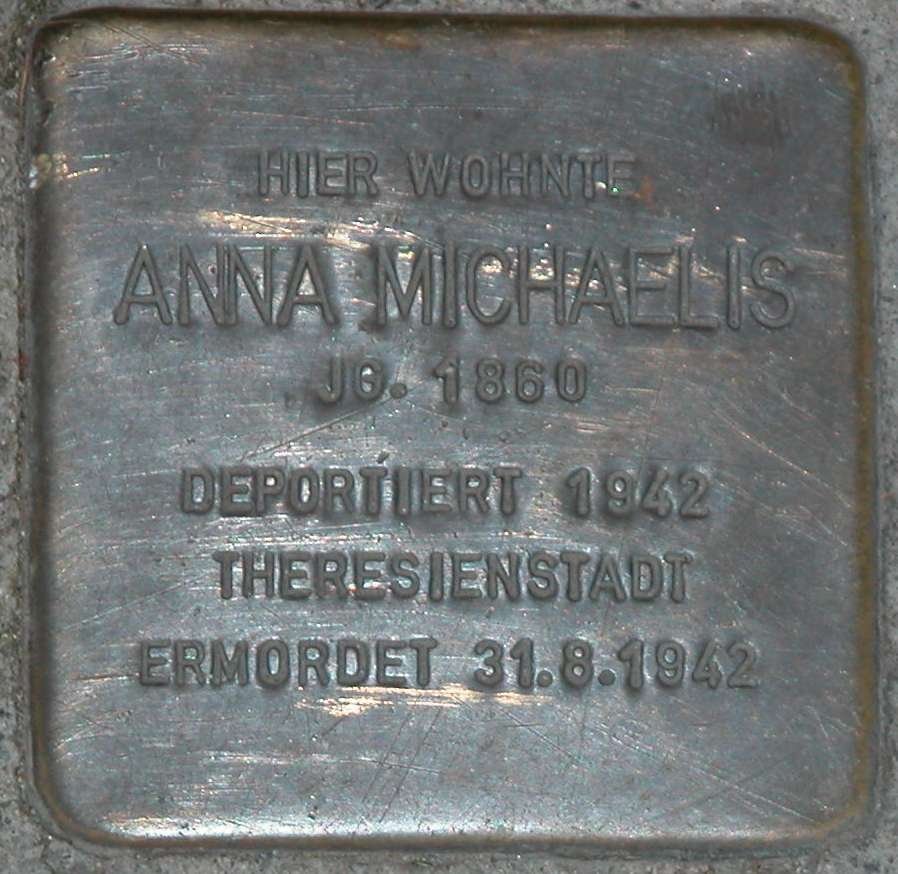
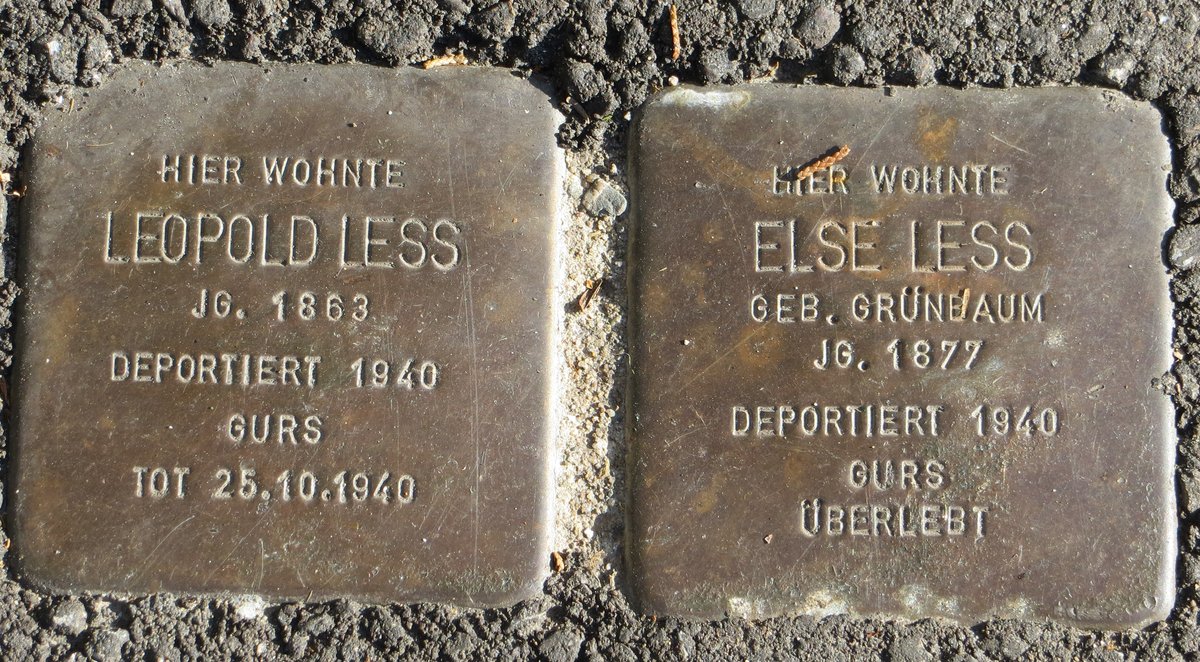
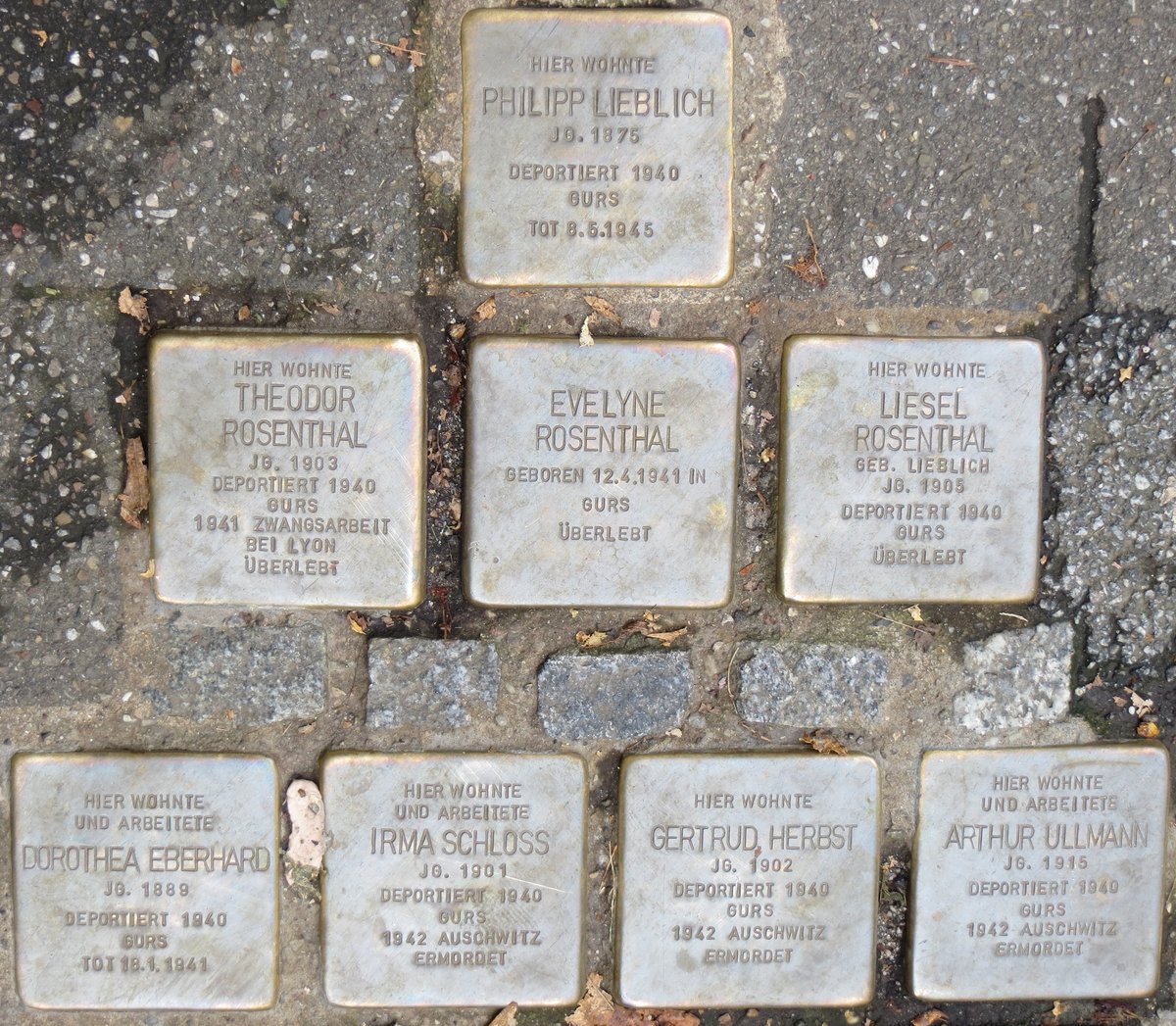
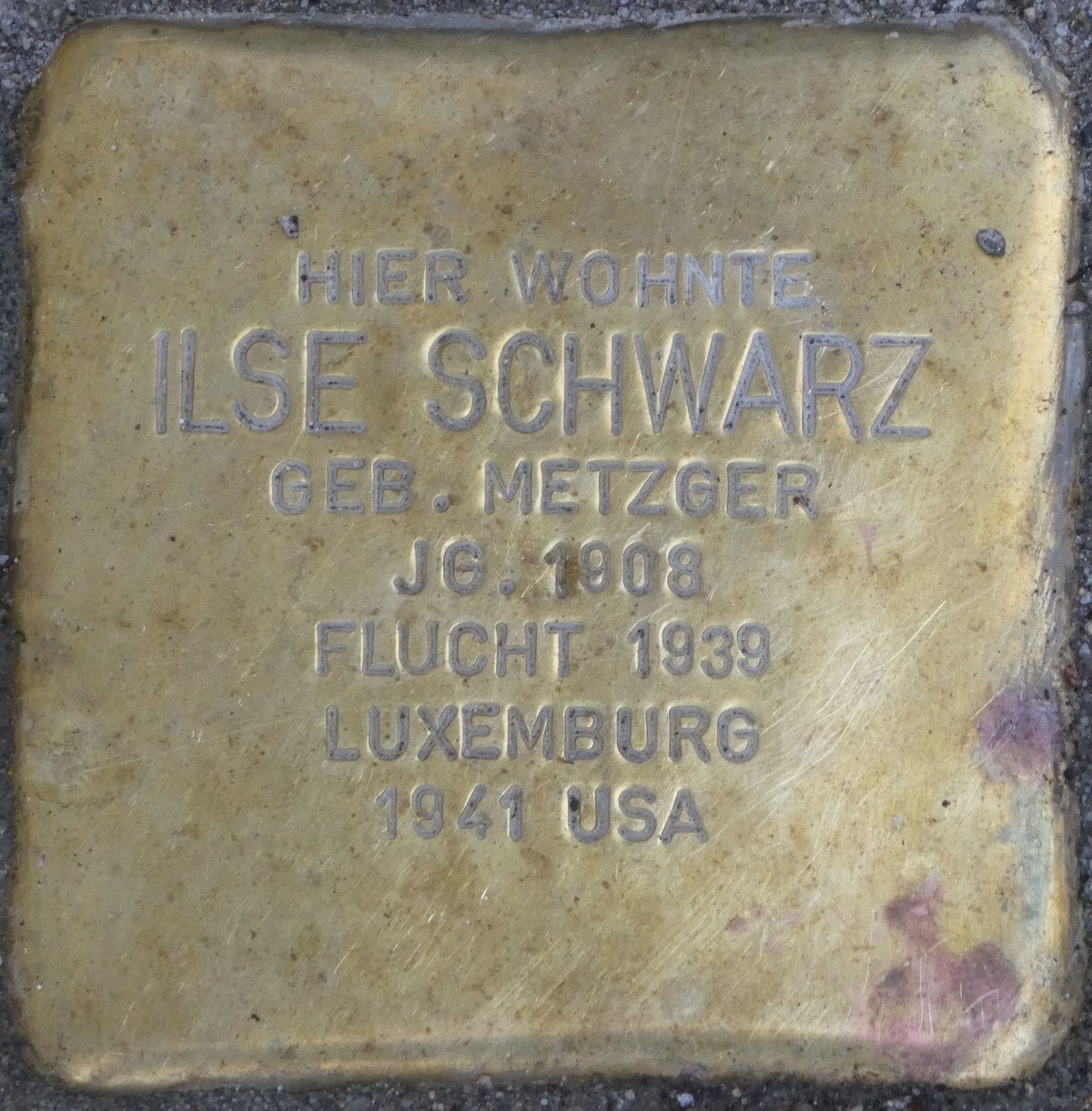
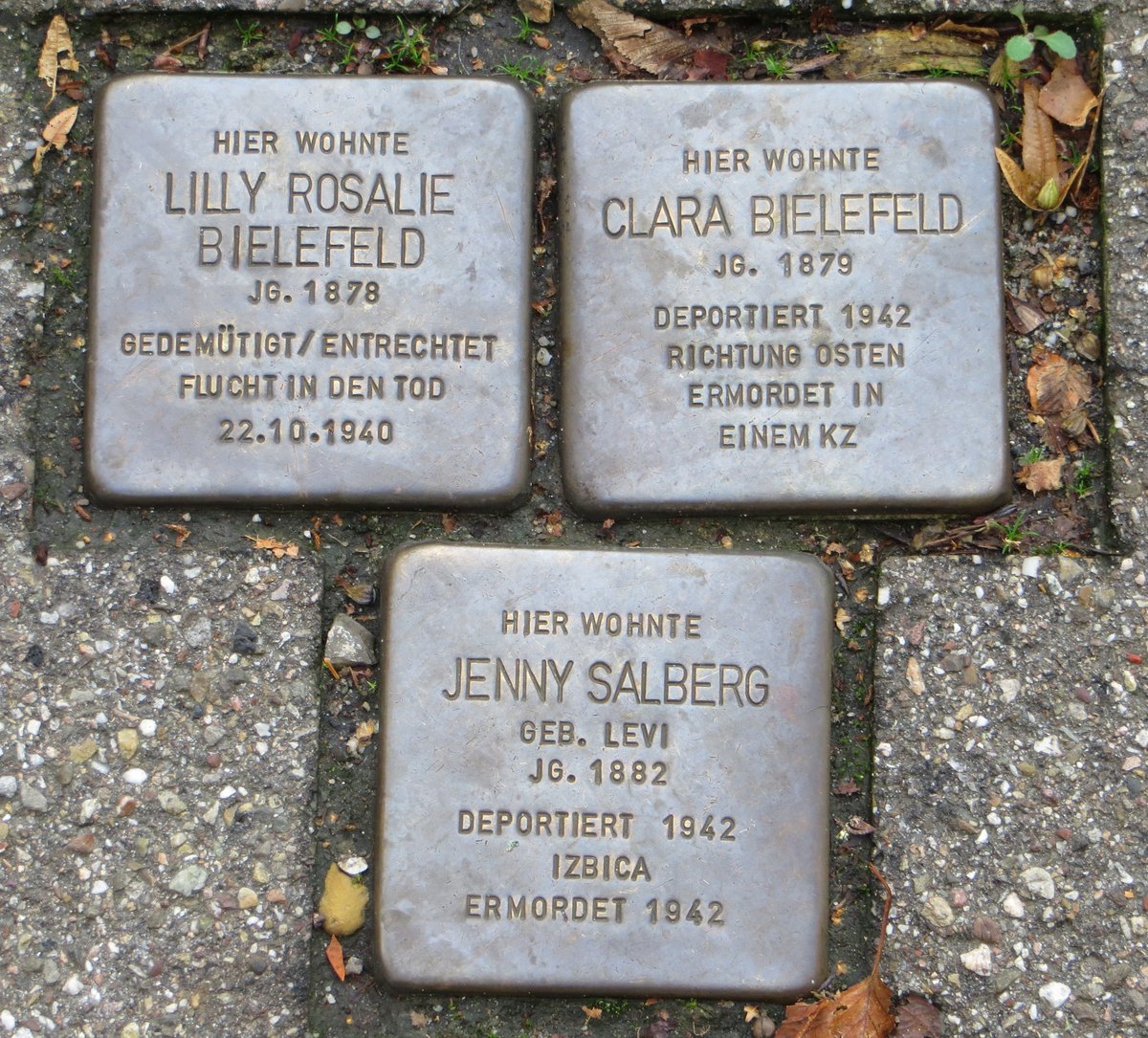
The Stolpersteine project was initiated in 1992 by German artist Gunter Demnig as a decentralized memorial to Holocaust victims. Each Stolperstein ("stumbling stone") is a 10x10 cm brass plaque embedded in the pavement, inscribed with the victim's name, birthdate, deportation date, and place of death. The project’s name evokes the idea of "stumbling" over history, forcing passersby to confront the past (Stolpersteine.eu).
Scope and Reach
Over 75,000 Stolpersteine have been installed across Europe, making it the world’s largest Holocaust memorial. The plaques are placed outside victims' last freely chosen residences, workplaces, or schools, ensuring their stories remain visible in everyday life (Wikipedia).
Stolpersteine in Baden-Baden
Baden-Baden has more than 140 Stolpersteine, including the one for Eugen Bruchsaler at Gunzenbachstraße 8. These memorials are maintained by local volunteers and are often polished during commemorative events like Holocaust Memorial Day (January 27) (iamExpat.de).
Cultural and Educational Significance
Memory Culture in Germany
Stolpersteine embody Germany’s commitment to Erinnerungskultur (culture of remembrance), ensuring Nazi crimes are neither forgotten nor repeated. Unlike traditional monuments, they integrate memory into public spaces, fostering continuous reflection (Stolpersteine Bruchsal).
Local Engagement and Community Involvement
Schools, historians, and volunteers research victims' biographies and organize installations. This participatory approach strengthens communal ties to history and combats denial (BNN.de).
Visiting the Stolperstein for Eugen Bruchsaler
Location and Accessibility
- Address Gunzenbachstraße 8, Baden-Baden
- Access Free, 24/7; wheelchair-friendly (Baden-Baden Tourism).
What to Expect
The brass plaque is set into the sidewalk. Visitors often leave flowers or candles. Kneeling to read the inscription is a gesture of respect.
Visitor Etiquette
- Avoid stepping on the stone.
- Research Eugen’s story beforehand (juden-in-sulzburg.de).
Complementary Experiences in Baden-Baden
Historical and Cultural Sites
- Stadtmuseum Baden-Baden Exhibits on Jewish history (Germany Footsteps).
- Former Synagogue Site Memorializes the destroyed Jewish community.
Museums and Further Learning
- Jewish Cemetery Historic graves with multilingual plaques.
- Virtual Tours Explore Stolpersteine via Stolpersteine Guide.
Conclusion: The Lasting Impact of Stolpersteine
Eugen Bruchsaler’s Stolperstein transforms statistics into a human story, urging vigilance against hatred. By visiting, you honor his memory and reaffirm the promise: Never again.
For guided tours or updates, contact Baden-Baden Tourism or download the Audiala app.