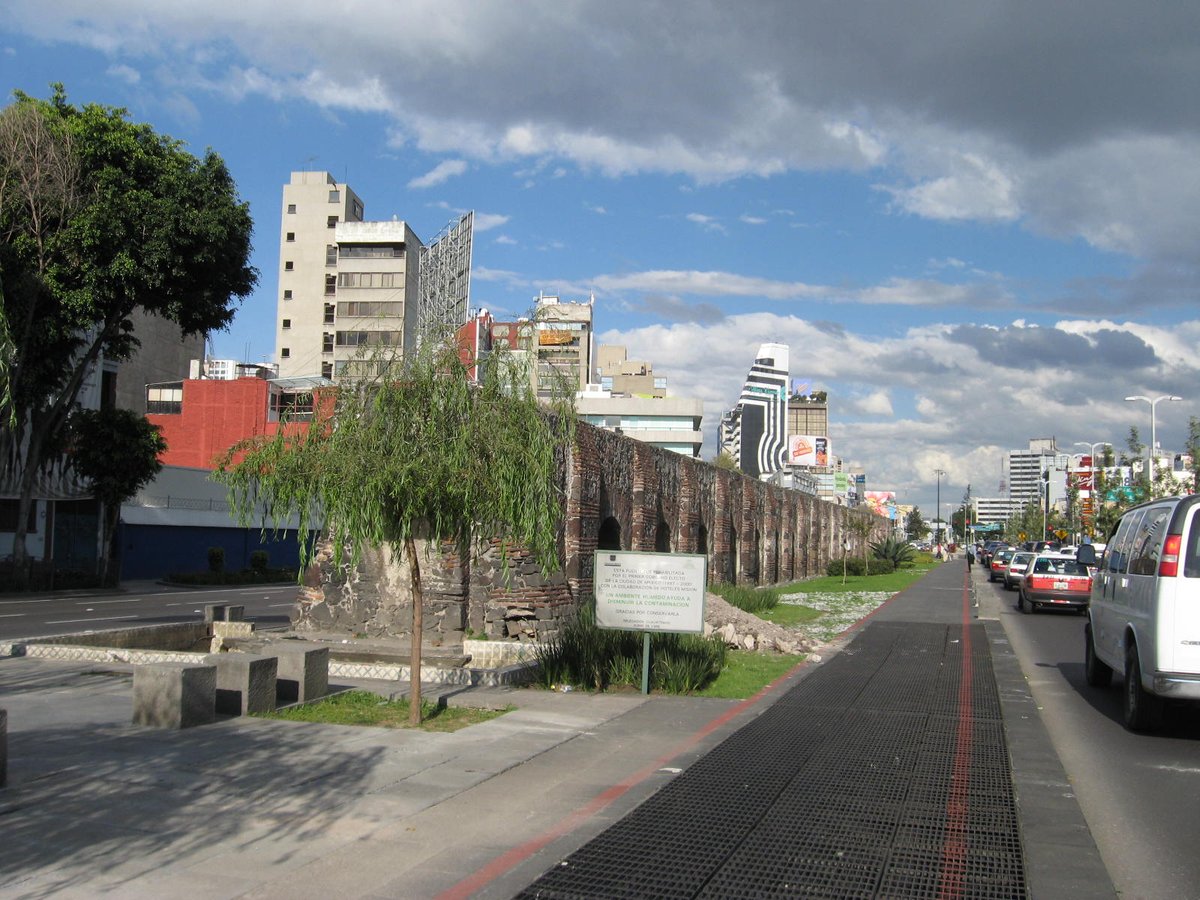
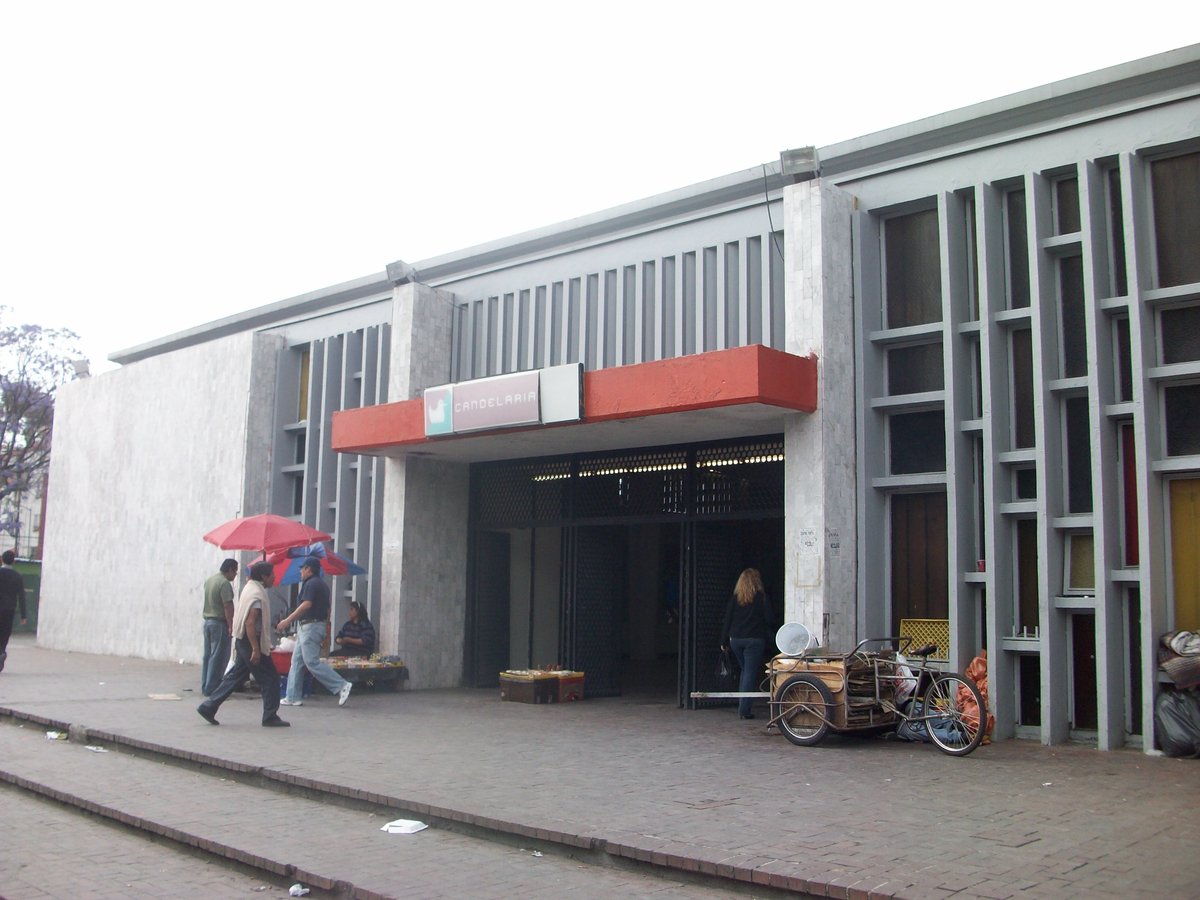
{'date': '15/06/2025', 'task': {'model': 'gpt-4.1-mini', 'query': 'Comprehensive guide to visiting Consulado, Mexico City, Mexico: history, significance, visitor tips, and everything tourists need to know for a memorable experience.', 'verbose': False, 'guidelines': ["Keyword Research: Identify relevant keywords that potential visitors are likely to search for, such as '[Monument Name] visiting hours,' '[Monument Name] tickets,' and '[City] historical sites.' Use these keywords strategically throughout the article, including in the title, headers, and body text, but avoid keyword stuffing.", 'Engaging and Informative Title: Craft a title that is both SEO-friendly and compelling to encourage clicks. Include the main keyword and make it clear what the article will cover.', 'Structured Content: Use headings (H1, H2, H3) to organize the content effectively. This helps with SEO and makes the article easier for readers to navigate. Include an introduction that hooks the reader, a detailed body that covers all relevant aspects, and a conclusion that summarizes the key points.', 'Comprehensive Coverage: Address common questions and topics of interest such as the history of the monument, its cultural significance, visitor information (e.g., ticket prices, opening hours), travel tips, nearby attractions, and accessibility. Include sections that might be unique to the monument, like special events, guided tours, and photographic spots.', 'Quality Content: Ensure the content is well-researched, accurate, and provides real value to readers. Use reliable sources and provide factual information. Write in a clear, engaging, and accessible style. Consider your audience and use language that is appropriate for those likely to visit the monument.', 'Visuals and Media: Incorporate high-quality images or videos of the monument. These should be optimized for the web (correct sizing, alt tags with keywords). Consider interactive elements like virtual tours or maps.', 'Internal and External Links: Include links to other related articles on your site to encourage deeper engagement (internal links). Link to official websites for the monument or credible sources for further reading (external links).', 'FAQ: Incorporate FAQ sections to target voice search queries and featured snippets', 'Visit and Stay Up to Date: End the article with a call to action, such as encouraging readers to download our mobile app Audiala, check out other related posts, or follow on social media for more updates.'], 'max_sections': 4, 'publish_formats': {'pdf': False, 'docx': False, 'markdown': True}, 'follow_guidelines': True}, 'title': 'A Comprehensive Guide to Visiting Consulado, Mexico City, Mexico', 'report': '# Consulado Mexico City: Visiting Hours, Tickets, and Historical Sites Guide\n#### Date: 15/06/2025\n\n## Introduction to Consulado Mexico City\n\nConsulado, nestled northeast of Mexico City’s historic center, is a vibrant neighborhood that seamlessly blends rich history, dynamic urban life, and authentic local culture. Rooted in the legacy of the colonial-era Consulado de Mercaderes—a powerful merchant guild established in 1594—Consulado has long served as a hub for commerce and urban development (Wikipedia). The area is intrinsically linked to Mexico City’s pre-Hispanic foundations, sitting on land that once formed part of the ancient basin of Lake Texcoco, near the Mexica (Aztec) capital of Tenochtitlán (Britannica).\n\nToday, Consulado offers visitors a unique perspective on Mexico City’s ongoing evolution. It stands as a testament to the city’s 20th-century urban expansion, featuring modernist housing complexes, lively markets, and robust transportation infrastructure. While not a mainstream tourist destination, Consulado is ideal for those seeking an off-the-beaten-path experience and a deeper understanding of Mexico City’s layered identity (Mexico City Tourism).\n\n---\n\n## Table of Contents\n\n- Introduction\n- Historical Background\n - Pre-Hispanic and Colonial Foundations\n - The Consulado de Mercaderes\n- Urban and Industrial Growth\n- Visiting Consulado: Practical Information\n - Location and Accessibility\n - Visiting Hours and Tickets\n - Guided Tours and Events\n - Nearby Attractions\n- Social and Cultural Significance\n- Architectural and Urban Landmarks\n- Visuals and Media\n- Frequently Asked Questions (FAQs)\n- Conclusion\n- References\n\n---\n\n## Historical Background\n\n### Pre-Hispanic and Colonial Foundations\n\nThe origins of Consulado are closely tied to the ancient basin of Lake Texcoco and the grandeur of Tenochtitlán, the Mexica capital founded in 1325. The area’s geographic and cultural legacy is rooted in pre-Hispanic urban planning, which included sophisticated causeways and water management systems (Britannica).\n\nFollowing the Spanish conquest in 1521, Mexico City was rebuilt atop the remnants of Tenochtitlán. New trade organizations like the Consulado de Mercaderes shaped economic life and influenced the city’s governance and spatial layout (Mexico City Historic Center).\n\n### The Consulado de Mercaderes\n\nEstablished in 1594 and modeled after Seville’s merchant guild, the Consulado de Mercaderes became a dominant force in colonial Mexico. Composed mainly of wealthy, Spain-born merchants, the guild controlled regional and transatlantic trade, especially silver exports, and played a significant role in city development and administration (Wikipedia). The district’s very name is a tribute to this influential institution.\n\n---\n\n## Urban and Industrial Growth\n\n### 20th-Century Transformation\n\nConsulado’s identity evolved during the 20th century as Mexico City’s population soared and the metropolis rapidly expanded (National Geographic). Farmlands and industrial zones made way for residential developments, including the modernist Nonoalco-Tlatelolco housing complex, reflecting broader trends in urbanization and modernization.\n\n### Industrial and Transportation Hub\n\nConsulado is a key industrial and transportation node, home to rail yards, warehouses, and the pivotal Consulado metro station, which connects Lines 4 and 5 (Mexico City Metro Guide). Its strategic location along major roads like Circuito Interior facilitates movement across the city and underscores its importance as a transit and logistical center.\n\n---\n\n## Visiting Consulado: Practical Information\n\n### Location and Accessibility\n\nConsulado is easily accessible via the Metro Consulado station (Lines 4 and 5) and major roadways like Circuito Interior. While parking is limited, public transportation is efficient and recommended.\n\n### Visiting Hours and Tickets\n\nAs a neighborhood, Consulado is open to visitors at all times and does not require tickets or entrance fees. Key local attractions have their own schedules:\n\n- Metro Consulado: 5:00 AM to midnight daily (Lonely Planet).\n- Charles Chaplin Park: 6:00 AM to 10:00 PM.\n- Mercado Río Blanco: 7:00 AM to 6:00 PM.\n\n### Guided Tours and Special Events\n\nLocal tour operators offer walking tours that may include Consulado and nearby neighborhoods. These tours often highlight the area’s history, markets, and community life. Check official tourism websites for updated schedules (Mexico City Tourism).\n\n### Nearby Attractions\n\n- Calzada de los Misterios: A historic causeway adorned with religious sculptures, reflecting the area’s pre-Hispanic and colonial heritage.\n- Nonoalco-Tlatelolco Complex: One of Latin America’s largest modernist residential developments, with cultural and historical significance.\n- Mercado de Zapatos La Central: A renowned marketplace for footwear, showcasing the district’s commercial diversity.\n- Parque Popular in Colonia Popular Rastro: Family-friendly green spaces ideal for relaxation.\n\n---\n\n## Social and Cultural Significance\n\nConsulado is a lively, working-class neighborhood characterized by its diverse population and strong sense of community. Markets, street vendors, and local events provide insight into the everyday rhythms of urban life. The area’s cultural vibrancy is evident in its mix of indigenous and Spanish traditions, celebrated through festivals and public gatherings (Cultural Atlas).\n\n---\n\n## Architectural and Urban Landmarks\n\nConsulado’s architectural landscape reflects Mexico City’s mid-20th-century expansion. The mix of utilitarian commercial buildings, modernist housing complexes, and green medians along Avenida Río Consulado tell the story of a city adapting to modern needs and rapid growth (Britannica).\n\n---\n\n## Visuals and Media\n\nExplore Consulado through interactive maps and virtual tours available on official tourism websites. High-quality images of key sites—like Metro Consulado, Charles Chaplin Park, and Mercado Río Blanco—offer a visual sense of the neighborhood’s unique atmosphere. For optimal SEO, use descriptive alt tags such as "Consulado Mexico City historical sites" or "Metro Consulado station entrance."\n\n---\n\n## Frequently Asked Questions (FAQs)\n\nQ: What are the visiting hours for Consulado’s attractions? \nA: The neighborhood is accessible at all times. Metro Consulado operates from 5:00 AM to midnight; Charles Chaplin Park is open 6:00 AM to 10:00 PM; Mercado Río Blanco is open 7:00 AM to 6:00 PM.\n\nQ: Are there entrance fees? \nA: No entrance fees for the neighborhood, parks, or markets. Metro fare is 5 pesos per ride.\n\nQ: Is Consulado accessible for visitors with disabilities? \nA: Yes, Metro Consulado is wheelchair accessible. Public spaces generally accommodate mobility needs (Metro Mexico City Accessibility).\n\nQ: Are guided tours available? \nA: While not common, some local groups offer walking tours. Check with community centers or tourism platforms.\n\nQ: What is the best way to get to Consulado? \nA: The Metro (Lines 4 and 5) is the most convenient, with additional access via bus and taxi.\n\n---\n\n## Conclusion\n\nConsulado stands as a living example of Mexico City’s resilience and adaptability, where the city’s layered history meets the realities of contemporary urban life. Its blend of markets, transit hubs, modernist architecture, and grassroots culture offers travelers a rewarding, authentic experience away from the usual tourist trails. Combine your exploration of Consulado with visits to nearby landmarks like Calzada de los Misterios and the Nonoalco-Tlatelolco complex for a deeper appreciation of the city’s multifaceted heritage.\n\nPlan your visit today with up-to-date information from official tourism resources, and enhance your experience with the Audiala app for guides, maps, and insider travel tips.\n\n---\n\n## References\n\n- Mexico City/History, Britannica\n- Consulado de mercaderes, Wikipedia\n- Mexico City Historic Center, Mexico City Government\n- Urban Growth Mexico City Over Time, National Geographic\n- Mexico City Metro Guide, Mexico City Government\n- Cultural Atlas: Mexican Culture, SBS\n- Is Mexico City Safe for Americans?, Vite Presenta\n- Mexico Historico: Urbanization Challenges\n- Mexico City Tourism Official Site\n- Getting Around Mexico City, Lonely Planet\n\n---\n\n
Konzulát
Ciudad De MéxicoMexiko 19° N · 99° W Aktualizováno Aug 2025
{'date': '15/06/2025', 'task': {'model': 'gpt-4.1-mini', 'query': 'Comprehensive guide to visiting Consulado, Mexico City, Mexico: history, significance,…
Další zastávka
More in Ciudad De México.
8 míst k objevení — pár, která stojí za to spojit dohromady.

Pokračujte, kde jste skončili
Uložená a nedávno čtená místa — jen v tomto zařízení.